New study reveals menstrual discs are better than tampons, pads for heavy flow

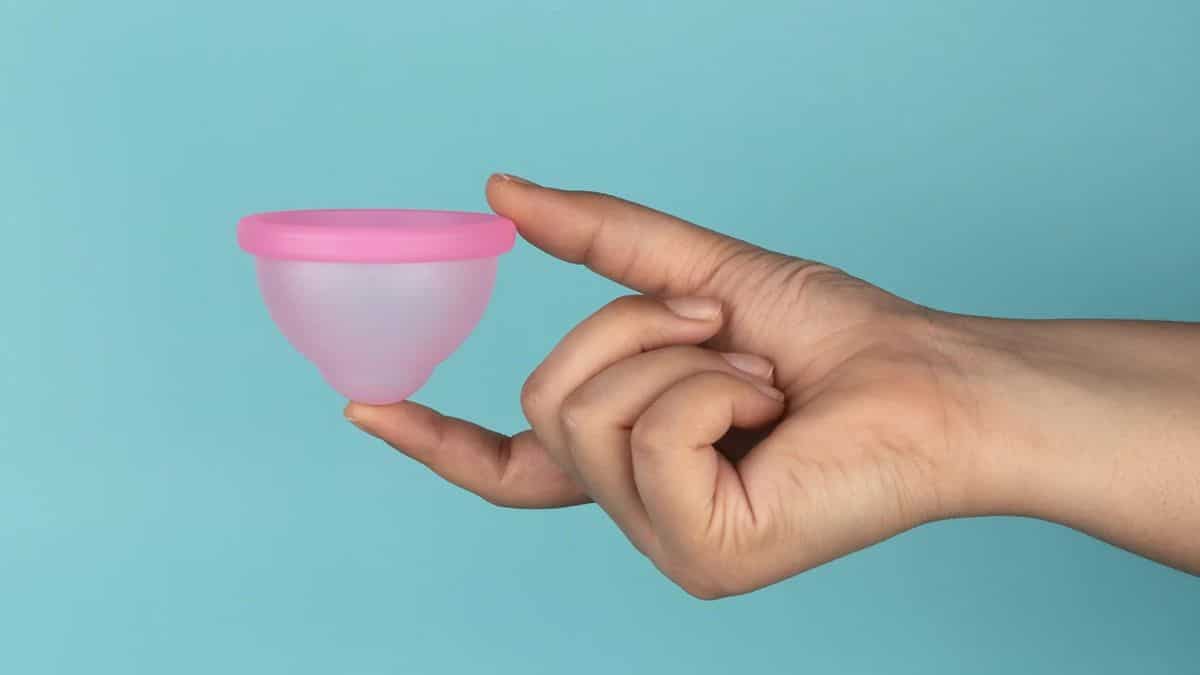
Menstrual discs
Menstrual discs have emerged as a superior option for managing heavy menstrual flow, outperforming traditional pads and tampons, according to a recent study published in the BMJ Sexual & Reproductive Health journal. The research sheds light on the potential of menstrual discs to provide effective relief for heavy monthly bleeding while also serving as an indicator for excessive blood loss.
The study's findings come as a game-changer in the field of menstrual hygiene, challenging prevailing norms and offering new avenues for improved menstrual care. With menstruation still largely shrouded in taboos and stigma, this research aims to shift perceptions and provide evidence-based solutions.
Conducted against the backdrop of a pervasive global issue, the study addresses the often-overlooked reality that 800 million women worldwide experience menstruation daily. This natural bodily process has long been underrepresented in medical research, resulting in a lack of understanding and innovative solutions for women's health.
Heavy menstrual bleeding affects up to 1 in 3 women and can signal underlying health conditions, such as bleeding disorders or fibroids. Traditionally, the Pictorial Blood Loss Assessment Chart (PBAC) has been used to gauge abnormal blood flow based on pads and tampons. However, alternative menstrual hygiene products like discs, cups, and absorbent pants have yet to be included in this assessment. This oversight prompted researchers to explore the absorbency capacity of these products using human red blood cells.
The study examined 21 commonly used menstrual hygiene products, revealing that menstrual discs exhibited the highest blood-holding capacity at an average of 61 ml, with a brand called Jiggy even holding a diagnostic amount of 80 ml, indicating excessive blood loss. On the other end of the spectrum, absorbent pants had the lowest capacity at an average of 2 ml, regardless of size.
One of the critical insights from the study was the discrepancy between reported and actual absorbent capacity, often due to testing with non-blood liquids like water or saline. The research emphasises the importance of aligning product testing with real-world conditions to provide accurate and relevant information for women's health.
"We also found that the product capacity labelling was discordant with our results—the majority of products reported that they had greater capacity than our testing found. We suspect this is due to product testing with non-blood liquids, such as water or saline," the researchers noted.
WATCH WION LIVE HERE
You can now write for wionews.com and be a part of the community. Share your stories and opinions with us here.