National Immunization Awareness Month: Medical experts highlight the importance of immunization in children

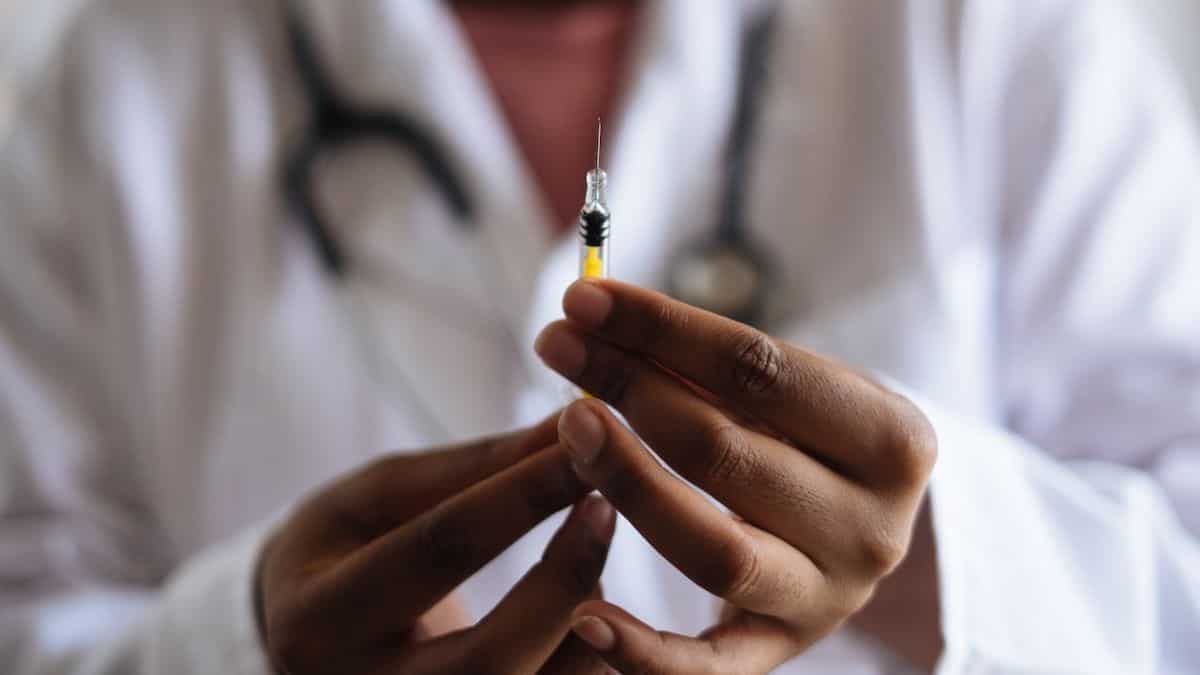
National Immunization Awareness Month 2023
National Immunization Awareness Month underscores vaccines' pivotal role in disease prevention and public health safeguarding. Skipping vaccines yields dire consequences, leaving individuals vulnerable to ailments, and risking severe complications, hospitalizations, or death. Neglecting immunization weakens communal immunity, paving the way for diseases to target susceptible groups, including the immunocompromised.
To markNational Immunization Awareness Month, WION got in touch with medical experts. Here's what they shared!
Importance of immunization in children
Speaking to WION to mark National Immunization Awareness Month,Dr Ankit Prasad (Consultant, Paediatrics, Fortis Hospital Noida) highlighted the importance of immunization in children. He said, "Immunization plays a crucial role in safeguarding the health of children. Children have developing immune systems that are particularly vulnerable to infections. Vaccinating them not only protects them from diseases but also helps build immunity within the community through a concept known as 'herd immunity'. When a large portion of the population is immunized, it reduces the likelihood of disease transmission, protecting those who cannot be vaccinated due to medical reasons."
WION also spoke to Dr Poonam Sidana (Director of Neonatology & Paediatrics at the CK Birla Hospital (R), Delhi). She said, "Immunization or vaccination has been proven to be one of the most cost-effective ways of ensuring health for your child, not just children but many adults, pregnant mothers, and elderlies in the family. During vaccination, the baby is injected with or sometimes given an oral dose of bacteria or virus that has been deactivated. The disease potential has been brought down. So, when it enters your body, it causes an antibody formation which protects the child against the actual disease. So, that is the basic way how vaccination works."
In the first few months of life, a baby is prone to many diseases. For some of the diseases that the mother has had earlier, antibodies will be passed to the baby during pregnancy. So, the baby will be protected during the first few weeks and eventually, the baby needs to have its own system working. Vaccination helps boost the system and protect the child against many diseases.
"When a child is born, they are given vaccines like BCG, Hepatitis B, and oral-polio doses before they are discharged from the hospital. Then starting from 6 weeks of age onwards, the baby will get 3 doses of DPT combination, Pneumococcal vaccines, Rotavirus, measles Typhoid, and so on. Booster doses are given at various ages after the 1st year," Dr Poonam shared.
When we talk about benefits, vaccines not only prevent diseases, but they also keep your child protected and healthy. When a child falls sick, their nutrition and growth suffer. It is important to make sure that we follow all the vaccination schedules, talk to the doctor, and keep up with appointments.
"After giving vaccination to the child, there could be mild side effects for a day or two, the baby may get a fever or sometimes may feel a little run-down but usually with a dose of paracetamol they can easily recover in a day or two.So, it’s important that people understand the schedule, talk to the doctors, keep up with appointments, and try to do the best thing for the baby," said Dr Ankit.
Vaccine myths and misinformation
National Immunization Awareness Month highlights vaccines' critical role in individual and communal well-being, urging collaboration to dispel myths and ensure informed choices for a healthier society, according toDr Ashish Gupta (Sr Consultant-Paediatrics, Primus Super Speciality Hospital).
Highlighting common myths and misinformation surrounding vaccines, the medical expert shared, "Misinformation about vaccines can spread fear and doubt, leading some individuals to avoid getting vaccinated. Some common vaccine myths include concerns about autism, the idea that vaccines weaken the immune system, or the belief that natural immunity is superior to vaccine-induced immunity. However, extensive scientific research has consistently debunked these myths."
When asked about the impact of vaccine misinformation, Dr Ankit said, "Misinformation can lead to decreased vaccination rates, resulting in outbreaks of preventable diseases. We've seen instances where diseases like measles, which were once under control, resurface due to declining vaccination rates. These outbreaks can have serious health and economic consequences."
Strategies to Combat Vaccine Misinformation
Here are some expert-approved strategies to combat vaccine information:
• Education: Healthcare professionals, public health agencies, and reputable sources should provide clear and accurate information about vaccines. Tailoring the information to address specific concerns can be effective.
• Engagement: Engage with individuals who have concerns and address their questions respectfully. This can help build trust and correct misconceptions.
• Social Media: Monitor and counteract misinformation on social media platforms. Sharing evidence-based information can help counterbalance false claims.
• Partnerships: Collaborate with schools, community organisations, and religious groups to promote accurate information about vaccines. The door-to-door awareness message by government-deputed Anganwadi workers is also very effective in spreading the right information.
• Celebrity and Influencer Endorsement: Partner with trusted figures to promote vaccination. Their endorsement can carry significant influence.
• Legislation: Enforce vaccination requirements for school entry or certain activities, while providing exemptions only for valid medical reasons.
• Healthcare Provider Communication: Ensure that healthcare providers are well-informed about vaccines and can address patient concerns effectively.
• Research: Continue research on vaccine safety and effectiveness to provide up-to-date evidence that can counteract misinformation.
Vaccines are a cornerstone of public health and have saved countless lives. It's vital to combat vaccine myths and misinformation to maintain high vaccination rates, protect vulnerable populations, and prevent the resurgence of preventable diseases.
WATCH WION LIVE HERE
You can now write for wionews.com and be a part of the community. Share your stories and opinions with us here.