Kids need humans, not screens! Effects of early screen time exposure on child development

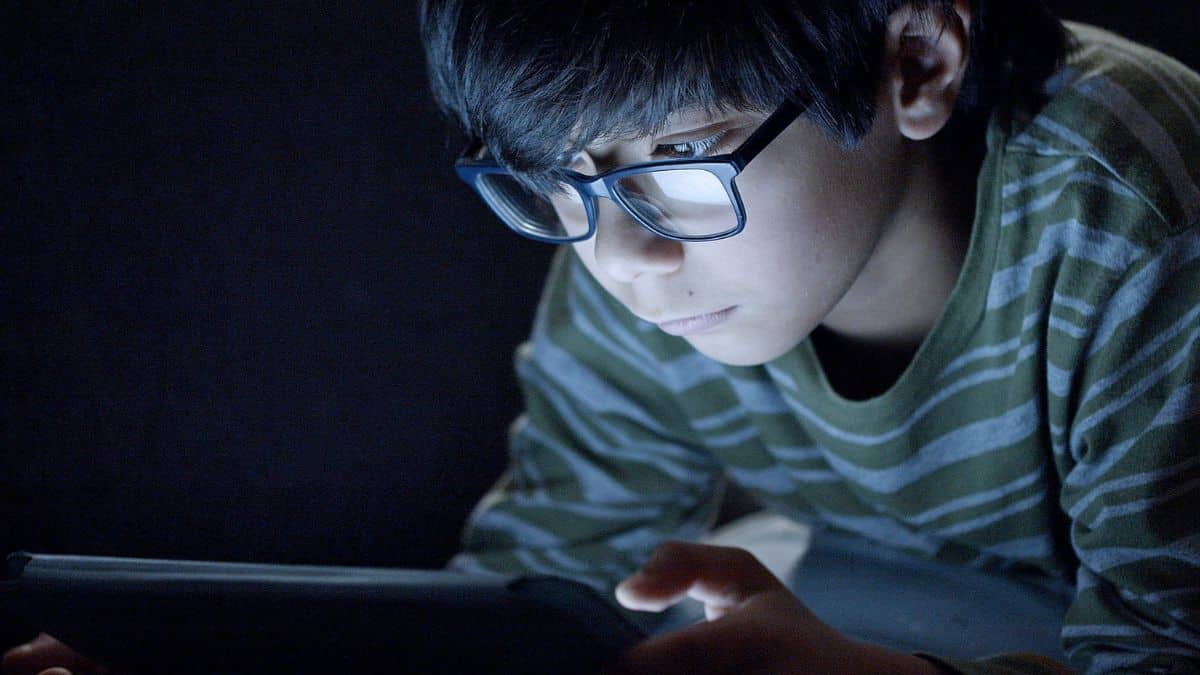
Impact of excess screen time on child development
In today's technology-driven world, children are exposed to screens from a very early age. From smartphones and tablets to computers and televisions, digital screens have become an integral part of modern life. While technology offers numerous benefits and learning opportunities, concerns have arisen about the potential impact of excessive screen time on child development.
Let's explore the effects of early screen time exposure on child development, delving into various aspects that every parent, educator, and caregiver should be aware of.
Effects of early screen time exposure on child development
As children's brains are rapidly developing during the early years, the influence of screen time cannot be underestimated. The extensive use of screens may affect their physical, cognitive, emotional, and social development.
Speaking exclusively to WION, Sonali Sarkar, who isa renowned mom blogger certified in child nutrition and child care, sharedkey areas where screen time can have an impact. Read on!
Cognitive development and learning abilities
The use of interactive and educational apps can enhance a child's cognitive abilities, fostering problem-solving skills and creativity. However, excessive screen time might hinder the development of vital cognitive functions, such as attention span and memory retention.
Language and communication skills
During the early years, children learn language and communication skills through interactions with caregivers and peers. Excessive screen time may reduce face-to-face communication opportunities, potentially affecting language development and emotional expression. Additionally, screen time delay can cause speech delays in some children, as they passively consume content without engaging in verbal communication.
Physical health and well-being
Prolonged screen time often leads to sedentary behaviour, which may contribute to obesity and other health issues. It is crucial to balance screen time with physical activities to ensure a healthy lifestyle.
Sleep patterns and quality
Exposure to screens before bedtime can disrupt a child's sleep patterns and quality, leading to sleep deprivation and associated behavioural issues. Creating a screen-free bedtime routine is essential for restful sleep.
Social and emotional development
Face-to-face interactions play a vital role in shaping a child's social and emotional skills. Excessive screen time might hinder the development of empathy, emotional regulation, and social cues recognition.
Parent-child bonding
Screen time can impact parent-child bondingas excessive device usage may reduce quality time spent together. Engaging in screen-free activities strengthens the parent-child relationship.
Aggressive behaviour and exposure to violence
Studies suggest that exposure to violent content on screens can increase aggressive behaviour in children. Limiting access to age-appropriate content is crucial in preventing such negative effects.
Attention and hyperactivity
Excessive screen time can contribute to attention problems and hyperactivity in children, making it difficult for them to focus on tasks and engage in meaningful activities.
Digital addiction and withdrawal symptoms
Early exposure to screens may lead to digital addiction, with children experiencing withdrawal symptoms when separated from their devices.
Self-regulation and impulse control
The instant gratification offered by screens may hinder a child's ability to self-regulate and control impulses, which are crucial skills for academic and personal success.
Developing healthy screen time habits
To mitigate the potential negative effects of screen time, it is essential to establish healthy screen time habits from an early age.
Tips that can help reduce your child's screen time
Here are some practical tips for parents and caregivers:
1. Set screen time limits: Determine reasonable daily screen time limits based on the child's age and prioritise other activities.
2. Promote active play: Encourage physical activities and outdoor play to balance sedentary screen time.
3. Create screen-free zones: Designate specific areas in the house, such as bedrooms and dining areas, as screen-free zones.
4. Engage in co-viewing and co-playing: When children are using screens, watch or play with them to foster engagement and discussion.
5. Select high-quality content: Choose age-appropriate and educational content that aligns with the child's developmental needs.
6. Aim for slow-paced shows: Opt for slow-paced shows to reduce addictive tendencies.High-frequency shows with high-contrast colours can make children addicted to fast-paced movements.
7. Establish a bedtime routine: Avoid screens before bedtime to promote healthy sleep patterns.
8. Encourage face-to-face interactions: Prioritise face-to-face interactions with family and peers to enhance social and emotional skills.
9. Be a positive role model: Demonstrate healthy screen time habits as a positive role model for children to follow.
The impact of early screen time exposure on child development is a topic of growing concern in today's digital age. While technology offers valuable learning opportunities, excessive screen time can have adverse effects on a child's cognitive, emotional, and social development. By establishing healthy screen time habits and prioritising face-to-face interactions, parents and caregivers can ensure a balanced approach to screen usage.
It is essential to stay informed, use technology responsibly, and provide children with a well-rounded environment that promotes healthy growth and development.
WATCH WION LIVE HERE
You can now write for wionews.com and be a part of the community. Share your stories and opinions with us here.