Juvenile arthritis affects more than 220,000 kids in US; here's what you must know about the disease

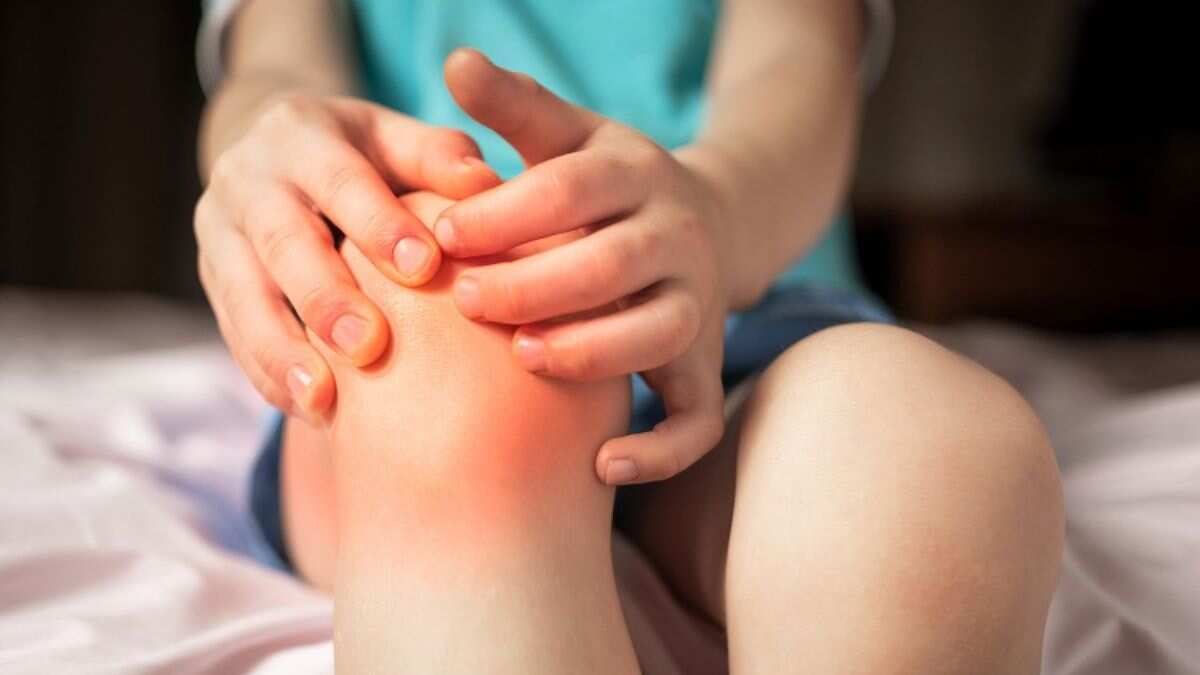
Juvenile arthritis
Juvenile Idiopathic Arthritis (JIA), which is the most common type of arthritis in children under the age of 16, is an auto-immune disease wherein the body's immune system attacks its own cells, resulting in the stiffness and inflammation of joints. Juvenile arthritis, if not treated promptly, could further weaken the bones in growing children and may delay growth and increase weight.
Children with JIA often complain of joint pains, which are often accompanied by morning sickness, which subsides gradually during the day,and fever.
What are its causes?
Although the exact causes of juvenile arthritis are unknown, children inheriting the HLA DR4 gene have been more susceptible to the disease. Exposure to certain environmental factors or viruses is also a plausible cause for JIA, however, further research is needed to draw concrete conclusions.
JIA affects around 2,20,000 children in the US, according to a report from the Centers for Disease Control and Prevention. India has also recently seen an increase in the number of JIA cases, plausibly due to environmental factors. The exact reasons behind the upsurge remain unclear.
Symptoms and types
JIA is an umbrella term for an array of symptoms and variations, and several subcategories. Scroll to know more!
Oligoarticular JIA: This is the most commonly diagnosed subgroup of the disease, affecting children aged between 2 and 4 years, and affects up to four large joints, such as knees and ankles.
Polyarticular: This disease develops in children of all ages up to 12 and affects 5 or more smaller joints such as the neck, knees, jaw, and ankles, where both the left and right joints are affected equally.
Systemic onset (JIA): Systemic onset JIA is an uncommon subgroup of the disease with the most difficult diagnosis. Stiff and aching joints often accompany fever, rashes, swollen glands, and fatigue.
Enthesitis-related: The condition affects the joints where bones meet tendons and ligaments, like the spine, heels, hips, knees, and shoulders, and may result in subsequent eye inflammation.
Psoriatic: This condition, along with swollen joints, also affects the skin which results in scaly rashes on the body, often accompanied by inflammation in fingers and toes.
Undifferentiated: Due to an unclear set of symptoms, this kind of arthritis is usually an overlap between polyarthritis and psoriatic.
Diagnosis and treatments
JIA can be difficult to diagnose. No single test can confirm the disease. In addition to the medical history of symptoms and clinical examination conducted by a rheumatologist, several blood tests and imaging studies are required. It is also important to have an eye check-up by an ophthalmologist.
Juvenile arthritis is neither preventable nor does it have a cure. However, if diagnosed timely, children with JIA can go into remission through various medical and physical treatments depending upon the child’s age and the severity of the disease.
Medical treatments often include prescribing disease-modifying antirheumatic medications (DMARDs), or newer medications called biologicals to regulate the disease by modulating the body’s immune response. With the introduction of newer drugs, surgical processes are rarely needed in extreme cases, such as joint deformities.
Physical therapy in the form of exercises, swimming, bicycling, and yoga is also recommended for children with JIA.
(With inputs fromDr Ashish Ranade, Senior Consultant- Pediatric Orthopedics, Surya Mother and Child Super Speciality Hospital, Pune)
WATCH WION LIVE HERE
You can now write for wionews.com and be a part of the community. Share your stories and opinions with us here.