Is soy really bad for you? Let's debunk some myths about soy protein

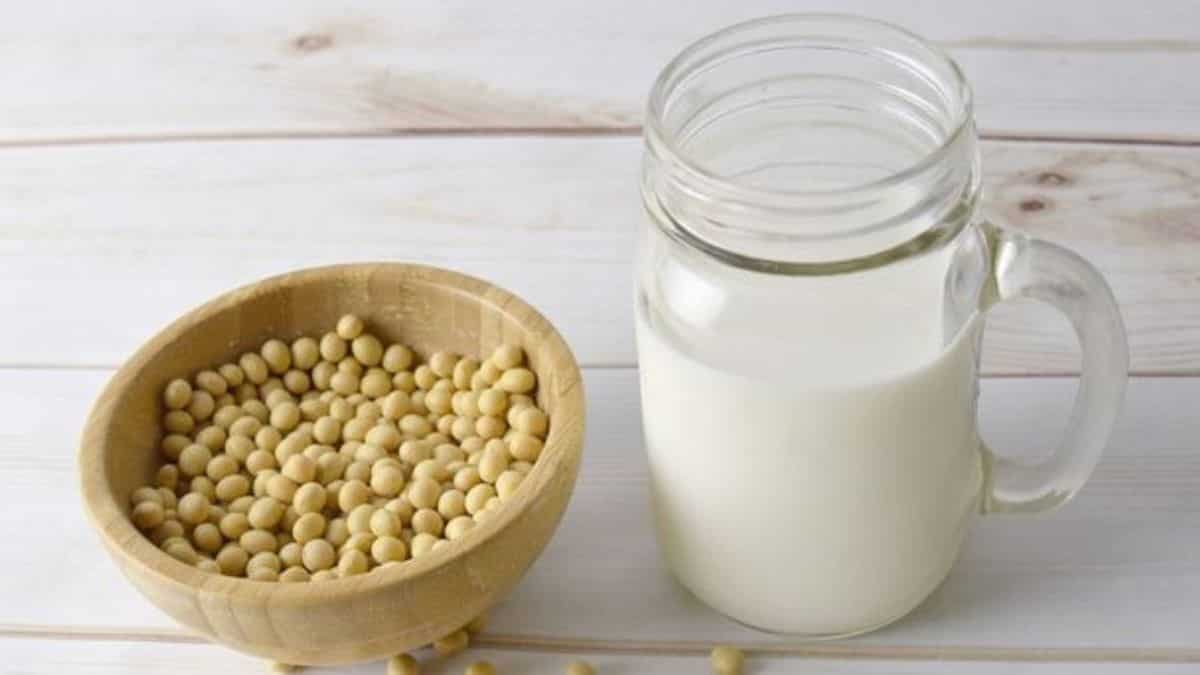
Soy protein
In a world where health, wellbeing and nutrition are at the forefront of our minds, protein is often hailed as a fundamental building block of life. But with so many sources of protein available, how do we know which is best for our bodies? Among these, soy protein stands out—not just for its nutritional benefits, but also for the misconceptions that surround it.
Many of these myths seem to originate from the Western world, driven by a desire to promote alternatives that are more readily available there. On the other hand, cultures such as the Japanese, Chinese, and Koreans have long relied on soy protein, making it vital to separate fact from fiction.
Soy protein as a nutritional powerhouse has been a dietary staple for thousands of years, yet it is often surrounded by a cloud of myths and misconceptions. It's time to shine a light on the truth about soy protein and dispel these myths once and for all.
But before that, it is important to note that soybean stands out among plants for its "high quality" protein. The term "quality" here is often measured in terms of the protein digestibility-corrected amino acid score (PDCAAS), which considers both the essential amino acid content and the protein's digestibility. Soy protein's PDCAAS values range from 0.91 to 1.0 which is considered to be the best score in terms of digestibility, varying with the specific soy product.
Typically, these myths stem from animal studies. Although rodents, with their somewhat similar physiology to humans, are used to understand the effects of various ingredients, human evidence shows that soy isoflavones do not function the same way in humans as they do in animals. Furthermore, these studies often test soy isoflavones at unrealistically high concentrations, far exceeding even the highest levels of soy consumption in human diets.
Now let’s dive into the myths and facts about soy protein and uncover the truth behind this remarkable nutrient.
Myth 1: Soy Protein Causes Hormonal Imbalances
Fact: One of the most pervasive myths is that soy protein causes hormonal imbalances, especially in men, due to its isoflavone content. Isoflavones are phytoestrogens, which are plant-derived compounds that can mimic estrogen in the body. This has led to fears that soy could affect testosterone levels and fertility. However, extensive research has shown that soy consumption does not have significant effects on testosterone or estrogen levels in men. Isoflavones in soy are much weaker than human estrogen and do not disrupt hormonal balance.
Myth 2: Soy Protein Increases Breast Cancer Risk
Fact: Another common concern is that soy protein increases the risk of breast cancer. This myth stems from the belief that the phytoestrogens in soy can stimulate the growth of estrogen-receptor-positive breast cancer cells. Contrary to this belief, studies have shown that soy consumption is actually associated with a reduced risk of breast cancer. Research, particularly from Asian populations where soy is a dietary staple, indicates that regular soy intake may offer protective effects against breast cancer.
Myth 3: Soy Protein Disrupts Thyroid Function
Fact: Some people worry that soy protein can interfere with thyroid function, leading to hypothyroidism. While it's true that soy contains goitrogens, which can affect thyroid function, the impact is minimal unless soy is consumed in extremely high amounts. For individuals with normal thyroid function, moderate soy consumption does not pose a risk. Even for those with hypothyroidism, soy can be safely consumed with proper monitoring and medical guidance.
Myth 4: Soy Protein Inhibits Mineral Absorption
Another myth is that soy protein inhibits the absorption of minerals like calcium, magnesium, and zinc due to its phytic acid content. It is important to note that phytic acid is a natural compound found in plant seeds that can bind to minerals reducing their absorption. However, this effect varies based on diet and individual nutritional status. Processing methods for soy protein isolates does reduce, but do not completely eliminate phytates. Therefore, maintaining a well-balanced diet that includes foods which enhance mineral absorption is essential. For example, foods rich in vitamin C can improve iron absorption, while other nutrient-dense foods may aid in the absorption of other minerals.
Myth 5: GMOs in Soy Are Unsafe
There is a belief that genetically modified (GMO) soy is unsafe. Numerous studies have shown the safety of GMO foods, including soy. However, for those concerned about GMOs, there are many options for non-GMO soy products that are widely available, including our all-plant protein which is non-GMO.
Myth 6: Soy Protein Causes Cognitive Decline
Some rumors suggest that soy protein leads to a decline in cognitive function, such as memory loss. Large-scale, long-term studies have found no significant correlation between soy intake and cognitive function. This is yet another baseless myth.
Other Myths: Uric Acid, Creatinine, and More
There are other misconceptions related to soy protein, such as it affects uric acid and creatinine levels, but numerous studies conducted on humans found no scientific basis to these claims.
Protein is essential for nearly every biological process in the human body, from tissue repair to muscle building. Getting the right kind of protein through a balanced diet and need based supplementation is important for maintaining overall health and well-being. But, when it comes to choosing a plant protein supplement, quality is everything!
An ideal plant protein supplement should be made entirely from good plant sources like Soy, Pea, and Wheat, having all nine essential amino acids and should be easy for the body to digest and absorb. It should be pure and clean without artificial ingredients, preservatives, harmful substances or fillers and should meet the highest standards of quality, safety and hygiene.
(With inputs fromDr Shyam Ramakrishnan, Director, Innovation and Science, India and SE Asia Markets, Amway)