Extreme heat will lead to surge in deaths among people under 35 by 2100: Study warns

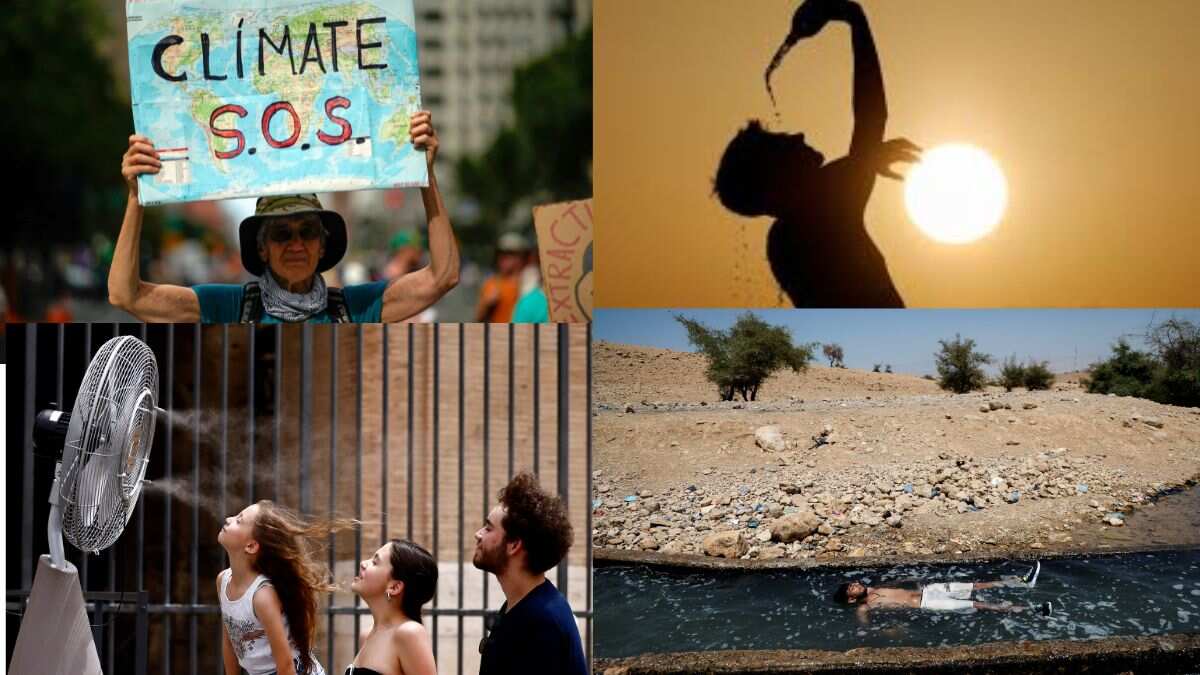
Extreme heat will surge deaths among youth under 35 by 2100
A recent study indicates a worrying trend: high temperatures, which traditionally have been a major risk factor for older adults, are now becoming a major new threat to people under 35. Due to global warming, scientists warn that young people will face more heatwaves than previouslyanticipated, as climate change amplifies heat intensity.
A rising threat for younger generations
A study led by Andrew Wilson of Columbia University highlights thatfailure to drastically cut greenhouse gas emissions would bring about a 32% increase in heat-related deaths among those under the age of 35 by the end of the century. "Most discussions of heat vulnerability focus on the elderly, but we found that younger people bear the brunt of heat mortality," Wilson said. "We didn’t expect this."
Shift in mortality patterns
Between the years 2000 and 2019, studies conducted in Mexico showed that 75% of heat related deaths are of people below the age of 35 years, whereas cold-related deaths predominantly affected those aged above 50 years. In a recent research work published by Science Advances, it was further established that this same phenomenon could manifest itself in developed countries such as the US and those in Europe, as climate change takes its course.
According to Wilson, "We are finding that cold-related deaths would decline, especially among older individuals, whereas heat-related deaths would increase, particularly in younger people."
Measures to decrease the risk
Researchers, including Sameed Khatana of Penn Medicine, assertthat focused strategies need to be put in place to safeguard young ones from heat. "We need to consider strategies like work breaks for people in hot environments and rescheduling outdoor activities, such as sports events, during extreme heat," Khatana said.
Watch:Thailand Heatwave: Death toll from heat rises across Thailand
Urgent action required
The research calls for urgent action as the climate crisis intensifies. Without significant cuts in greenhouse gas emissions, heatwaves will affect children much more, increasing preventable deaths. Immediate steps are needed to reduce exposure and protect vulnerable population from the deadly impacts of rising temperatures.
(With inputs from agencies)
