Hollywood's long neglect of Native Americans: Will Martin Scorsese's Killers of the Flower Moon bring change?

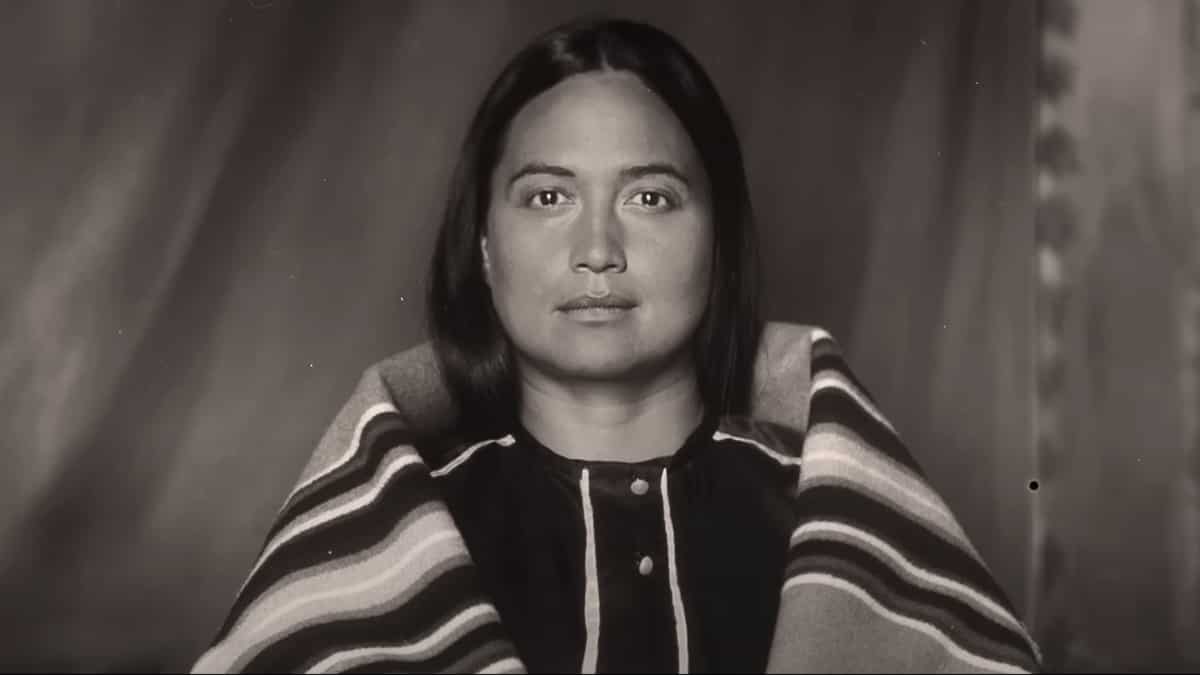
Killers of the Flower Moon sheds light on a tragic and often overlooked chapter of American history.
Hollywood has a longstanding history of underrepresentation and misrepresentation of marginalised communities, and Native Americans are no exception. Throughout the years, Native American characters have often been reduced to stereotypes or simply ignored altogether, reinforcing cultural biases and perpetuating harmful narratives. While some films have attempted to shed light on the rich and diverse Native American cultures, the overall portrayal has been far from accurate and respectful. With the upcoming release of Martin Scorsese's Killers of the Flower Moon, which explores just one of the many instances in history when the indigenous people of the Americas were persecuted by white European settlers, there is hope that Hollywood's treatment of Native Americans may finally be challenged and transformed.
Also Read:Explained | Osage Indian Murders that inspired Martin Scorsese's Killers of the Flower Moon
Historical neglect and stereotyping
Native Americans have frequently been relegated to peripheral roles, existing only as background or one-dimensional characters. Often, their stories have been told through the lens of non-Native filmmakers, resulting in a skewed representation of their cultures and histories. The limited range of roles has given way to inaccurate stereotypes, such as the noble savage, the mystical shaman, or the aggressive warrior, not just in film but also literature. These portrayals fail to capture the complexities and diversity of Native American experiences and contribute to a distorted public perception.
Underrepresentation in films
Native American actors and filmmakers face numerous challenges in Hollywood, including a lack of opportunities, limited access to resources, and a dearth of authentic Native American stories being told. The underrepresentation extends to the behind-the-scenes roles, where their voices are rarely included in the decision-making processes. This sustains a cycle of misrepresentation and reinforces the dominant narrative imposed by non-Native perspectives.
Killers of the Flower Moon
Killers of the Flower Moon, based on the non-fiction book by David Grann, tells the story of the Osage Nation murders in the early 20th century, shedding light on a tragic and often overlooked chapter of American history. With Martin Scorsese at the helm and a cast that includes Native American actors such as Lily Gladstone (apart from your Robert De Niros and Leonardo DiCaprios), the film has the potential to challenge the status quo and set a precedent for more accurate and respectful Native American representation. By giving voice to Native American stories through a Native-led production, the film presents an opportunity to rectify past missteps and usher in a new era of authenticity.
The responsibility of filmmakers
To truly break the mould and effect lasting change, filmmakers must collaborate with Native American consultants, writers, and actorsto begin an informed approach to filmmaking. There is also a need to dismantle the existing power dynamics and give agency to Native American communities, allowing them to tell their own stories, on their own terms.
Progress and hope
While Hollywood's track record with Native American representation is deeply flawed as we have seen above, recent years have witnessed some positive shifts. Films like Smoke Signals (1998), Wind River (2017), and Neither Wolf Nor Dog (2016) have made strides in portraying Native American characters and stories with more nuance and authenticity. Additionally, the success of filmmakers such as Sydney Freeland and Sterlin Harjo demonstrates that there is a demand for diverse narratives and Native American talent.
Furthermore, audiences have a vital role to play. By supporting and demanding more inclusive and accurate representation, viewers can influence Hollywood's decisions and encourage the industry to prioritise diverse narratives. It is essential to recognise and challenge the stereotypes, educate ourselves about the cultural heritage of Native Americans, and actively seek out and amplify indigenous voices in the media we consume.
WATCH WION LIVE HERE
You can now write for wionews.com and be a part of the community. Share your stories and opinions with us here.