Four years of Joker: From controversy to a cultural phenomenon

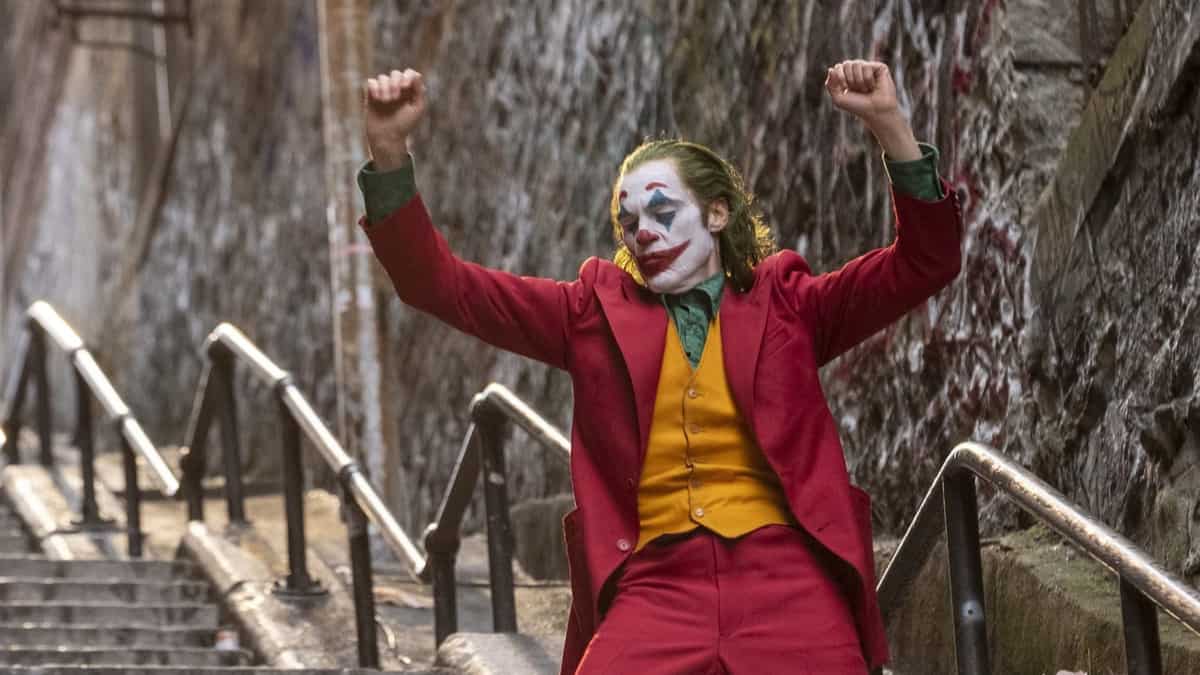
Joker (2019)
Four years ago, on a day much like today, the world witnessed the release of Joker, a film that was surrounded by controversy and anticipation in equal measure. As the film celebrated its fourth anniversary, and a sequelis just around the corner, it's worth revisiting the rollercoaster ride that the movie took us on, from pre-release concerns about potential riots to the undeniable brilliance of Joaquin Phoenix's central performance.
In the months leading up to its release, Joker was the subject of intense scrutiny and debate. Concerns were raised about the film's potential to incite violence due to its dark and gritty portrayal of the iconic Batman villain, the Joker, that resulted in a best actor Oscar for Phoenix.
Some feared that it could inspire copycat crimes or social unrest, echoing the tragic events of the past.
These concerns reached a fever pitch, with some theatres even implementing increased security measures during screenings.
Part of the fears may have been triggered by the 2012 mass shooting at a Colarado theatre that was showing the Batman movie The Dark Knight Rises. It was widely rumoured at the time that James Holmes, who shot at over 70 people, killing 12 of them, was wearing a Joker costume. That rumour was subsequently debunked.
The controversy and apprehension about the Joker spin-off created an atmosphere of tension and uncertainty surrounding the film. It was a unique situation where a movie's very existence was seen as a potential catalyst for chaos.
However, as the film finally hit theatres, audiences were treated to an unexpected revelation.
Joker was not just another comic book adaptation; it was a haunting character study, a gritty exploration of mental illness, and a gripping social commentary all rolled into one.
Joaquin Phoenix's performance as Arthur Fleck, the man who would become the Joker, was nothing short of extraordinary.
Phoenix's portrayal was hauntingly authentic and emotionally charged, drawing viewers into the character's descent into madness.
His physical transformation for the role, which saw the otherwise full-bodied actor shed several pounds and contort his body, was a testament to his dedication to his craft.
His portrayal humanised the Joker in a way that had never been seen before, making the character simultaneously sympathy-evoking and terrifying.
Director Todd Phillips delivered a visually stunning film that captured the bleak, atmospheric essence of Gotham City.
The cinematography and the film's use of music played a crucial role in establishing a foreboding atmosphere that enveloped the audience from start to finish.
Despite its initial controversy, Joker was met with pretty decent reviews and went on to become a cult classic.
It earned numerous accolades, including two Academy Awards, one for Phoenix for his incredible performance.
The film's humongous success at the box office further solidified its place in cinematic history. It is still the biggest R-Rated movie ever.
Looking back, the fears of Joker causing riots and violence seem almost surreal in contrast to the reality of the film's impact.
Instead of chaos, I believeJoker sparked important conversations about mental health, societal disenfranchisement, alienation, and the power of cinema to explore complex and uncomfortable themes.
WATCH WION LIVE HERE
You can now write for wionews.com and be a part of the community. Share your stories and opinions with us here.