Decoding comfort-watching: Why you are hooked to reruns of old favourites

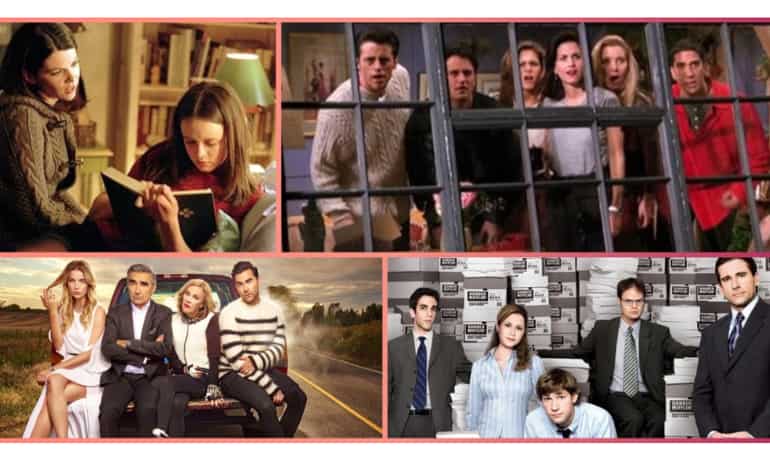
Poster of shows
Ever wondered why you keep returning to old shows and movies, or why, after a long day at work, all you desire is to be cosy and comfy with an offering from years ago, or why, despite innumerable options available across OTT platforms, you keep pressing the play button on select few offerings? Well, you might be indulging in something that's known as comfort-watching.
In simplest terms, comfort-watching is when you watch reruns of shows and movies that were once dear to you - like FRIENDS playing in the background when you are having lunch or just switching to an episode of Gilmore Girlswhen you can't decide what to watch or turning The Officeinto your breakfast companion before heading for work.
While the trend is certainly not new, a quick internet research will indicate how comfort-watching has gained momentum in the past few years, especially during the COVID-19 pandemic. When people found themselves locked in isolation, away from their loved ones, many turned to phones and television screens for company.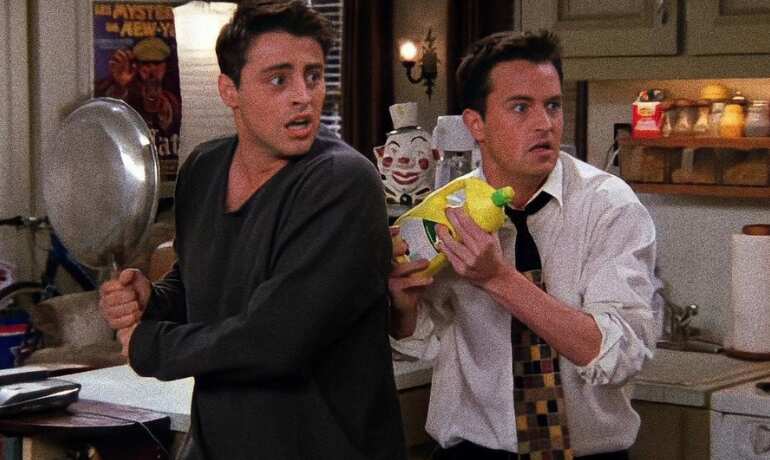
According to Nielsen, The Officewas the most streamed TV series in 2020, clocking as many as 57.1 billion minutes in the United States alone. While each individual is likely to have a different go-to series, some shows like FRIENDS, How I Met Your Mother, Gilmore Girls,Brooklyn Nine Nine, Schitt's Creek, Gossip Girl, Seinfeld, Suits, The Big Bang Theory, Modern Family and New Girlare among the common ones to feature on the list.
But apart from the fact that nostalgia-loaded reruns feel like a warm embrace on a chilly evening, there is science behind why people find themselves travelling back to some shows and movies.
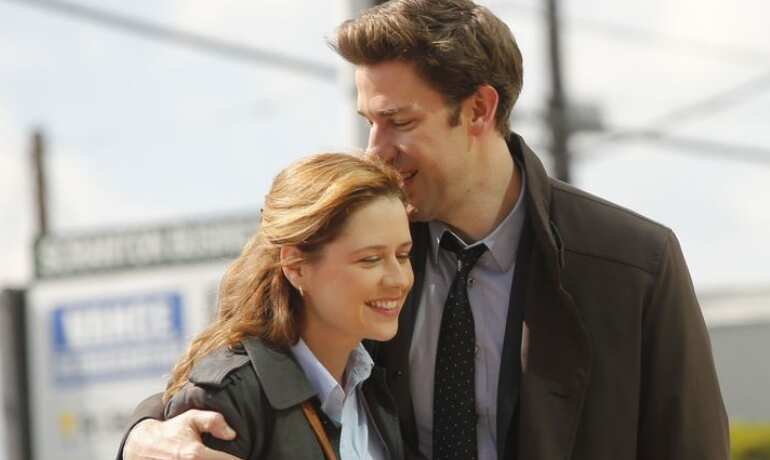
In the journal of experimental social psychology published in 2009, a study demonstrated how people felt less lonely when they turned to their favoured shows. Another finding suggested that watching one's favoured television programs helped foster the feeling of belongingness and served as a buffer against low self-esteem and feelings of rejection.
Rerunning old favourites is often accompanied by emotional benefits because of the familiarity. The feeling also abides by the principle of least effort, which postulates that people will naturally choose the path of least effort or resistance. If you know the story, the episodes have few surprises. Unlike a fresh episode of the same show or a completely new movie that would require cognitive thinking, knowing what will happen provides a safety cushion and reassures us in distressing times. Another research published in Claremont in 2021 found a significant positive relationship between self-distraction as a coping mechanism and comfort film usage.
What is often pointed out when talking about cinema at large is the parasocial relationships viewers create with fictional characters and this, too, plays a role in comfort-watching. The viewer extends their emotional energy and invests their time and interest in the life of a fictional character. Research indicates that for some people, the emotional pull of their favourite characters is immensely strong.
While the rise of streaming giants has made old shows and movies easily accessible, it has also caused decision fatigue. In his book 'The Paradox of Choice', American psychologist Barry Schwartz argues that eliminating consumer choices can help reduce anxiety for shoppers. This may also be true for the wide variety of options available on OTT platforms that might make it difficult for viewers to decide what to watch and eventually find their way back to their old companions.
Perhaps the best explanation for comfort-watching is delivered in Netflix's animated series BoJack Horsemanwherein the titular character says right in its pilot episode, "For a lot of people, life is just one long, hard kick in the urethra... And sometimes, when you get home from a long day of getting kicked in the urethra, you just want to watch a show about good, likeable people who love each other - where, you know, no matter what happens, at the end of 30 minutes, everything’s going to turn out okay.”
In a nutshell, the familiarity of storylines in our ever-changing world, the feel-good factor of returning to something you know will never disappoint you, especially at a time when the newspapers have more alarming headlines than happy ones, and the mere nostalgia an old show carries, have made comfort-watching more than just a hobby.
