
&imwidth=800&imheight=600&format=webp&quality=medium "The play about Lahore that Pakistan banned is now Sunny Deol’s Batwara 1947")
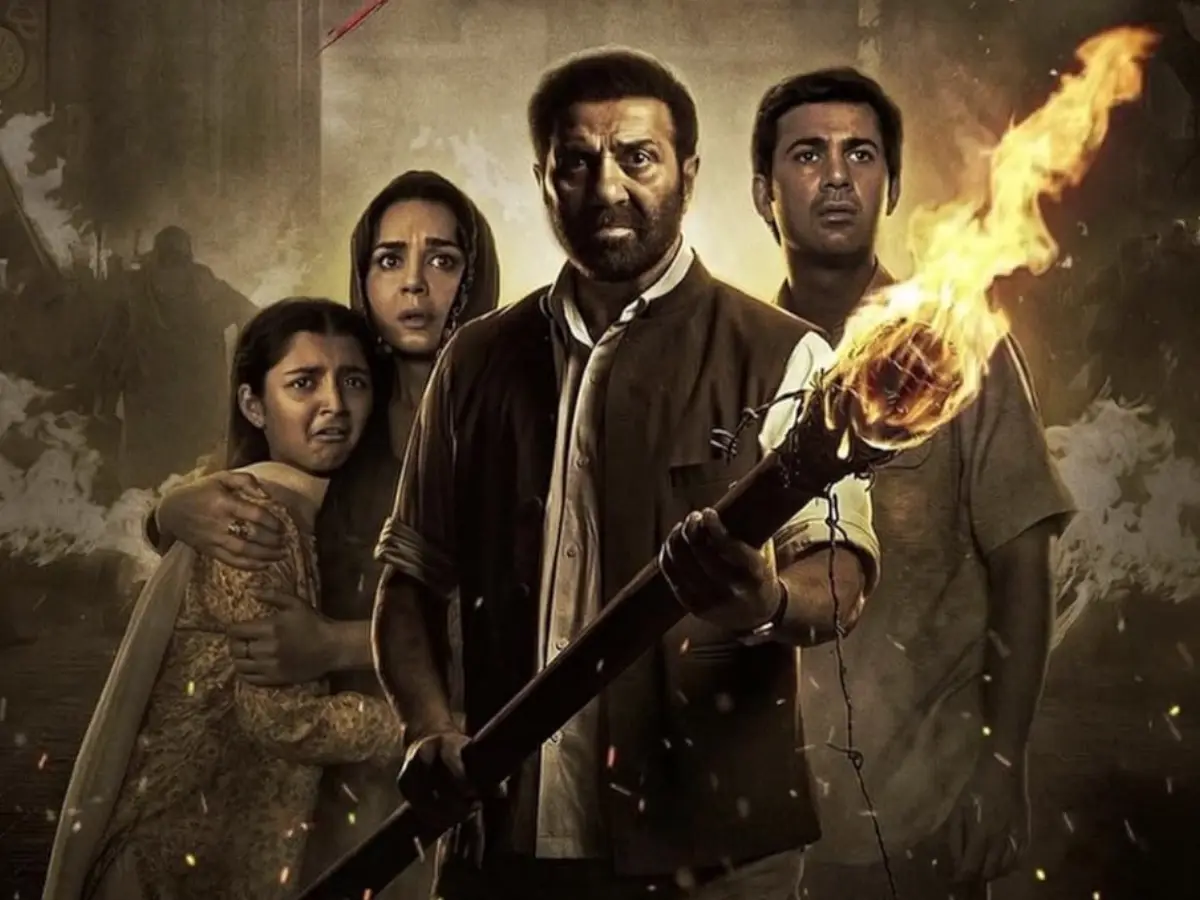
This Independence Day at theatres, audiences will witness patriotism with Sunny Deol’s Batwara 1947, a film that follows the actor’s character as he goes to Pakistan after Partition. The trailer is already out and has garnered a lot of attention. But did you know the origin story of this movie? For those who don’t, the film is based on one of the most famous plays, Jis Lahore Nai Vekhya, O Jamya E Nai.
The movie reunites Deol and director Rajkumar Santoshi after decades. It also stars Shabana Azmi and Preity Zinta. The film is set to release on Partition Day, August 14, 2026.
Did you know that Batwara 1947 is based on a play that was banned in Pakistan?

The curiosity around Deol’s film is sky-high. It won’t show someone coming to India, but will instead tell the story of a man who had to leave India and go to Pakistan with his family. The house allotted to him belongs to an elderly woman who is Hindu, and she refuses to leave her home in Lahore.
This film will bring that narrative to the big screen for the first time. For those not familiar with Professor Asghar Wajahat’s play Jis Lahore Nai Vekhya, O Jamya E Nai.
Written in the 1980s, it is one of the most critically acclaimed plays and has been staged in India and several other countries. Despite how acclaimed the play is, it has reportedly been banned in Pakistan. The play has resonated with people across borders. While it is banned in Pakistan now, it has been performed in Dubai and New York.
What is the play Jis Lahore Nai Vekhya, O Jamya E Nai about?
Set in Lahore right after the 1947 Partition, the play follows Sikander Mirza’s Muslim family, who are allotted a haveli that still has an elderly Hindu woman, Mai, living in it. She refuses to leave, claiming it’s her home. As communal tensions rise, a hateful Pehalwan tries to evict her while the compassionate Maulvi Ikramuddin defends her right to stay. Amid poet Nasir Kazmi’s verses of longing, the Mirza family and Mai grow close like one family. In the end, Mai dies, and despite threats, the community unites to perform her last rites as per Hindu tradition on the banks of the Ravi River- a powerful statement on humanity over hate.

