Safe-haven yen lifted, US dollar hits in Grim data after Qassem Soleimani strike

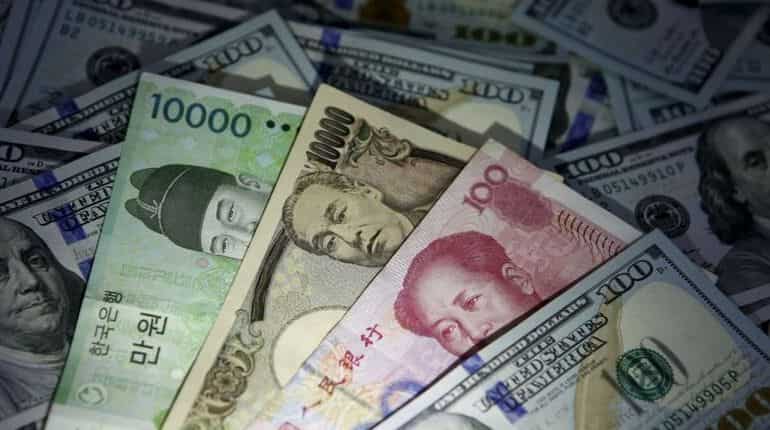
Currency notes from different economies
Investors rushed intosafe-havenassets on Friday afterUSairstrikes in Iraq killed a senior Iranian military official, sending the Japaneseyento a three-month high, while theUSdollarindex was knocked by the weakest domestic factory activity in a decade.
In addition to theyen,USTreasuries, German bunds and gold rallied after the overnight airstrikein Baghdad killed QassemSoleimani, Tehran's most prominent military commander and the architect of its growing military influence in the Middle East.
"Overall, geopolitical risk premia have risen substantially overnight," said Karl Schamotta, chief market strategist at Cambridge Global Payments. Investors were "really looking forsafehavens and a port in the storm," he added.
The Japaneseyenhad risen as high as 107.82 perdollarand was last up 0.48 per centon the day at 108.04. Theyenis often seen as ahavenfrom risk, given Japan's status as the world's largest creditor nation. A holiday in Tokyo also made for thin conditions, exaggerating the move.
TheUSdollarindexinitially benefited from the move intosafe-havenassets, but those gains were erased after the Institute for Supply Management (ISM) reported that the manufacturing sector contracted significantly in December. It was last up 0.03 per centon the day at 96.873.
The attack sparked concerns about crude supply disruptions, lifting oil prices more than $3. Petrocurrencies gained slightly on the higher crude prices, but those were then largely offset by the overall move away from risk, said Schamotta.
TheUSmanufacturing sector contracted in December by the most in more than a decade, with order volumes crashing to a near 11-year low and factory employment falling for a fifth straight month, according to a report from ISM released on Friday.
"That is a depressing number," said Schamotta.
It suggests "trade war-related uncertainty has actually damaged the manufacturing sector on a sustained basis and that points to weakness in GDP, particularly in the coming quarter because what you're likely to see is an inventory drawdown as opposed to continued build."
The longer-term effects on thedollarare unclear. Though it weakened Friday, the greenback may ultimately benefit if slowerUSmanufacturing dents hopes for global growth in 2020.
"The idea that other countries that are large exporters to theUSmight see a large rebound in the near term,that idea is losing traction here," said Schamotta.