Middle East geopolitical crisis sends global markets into turmoil as oil prices rise

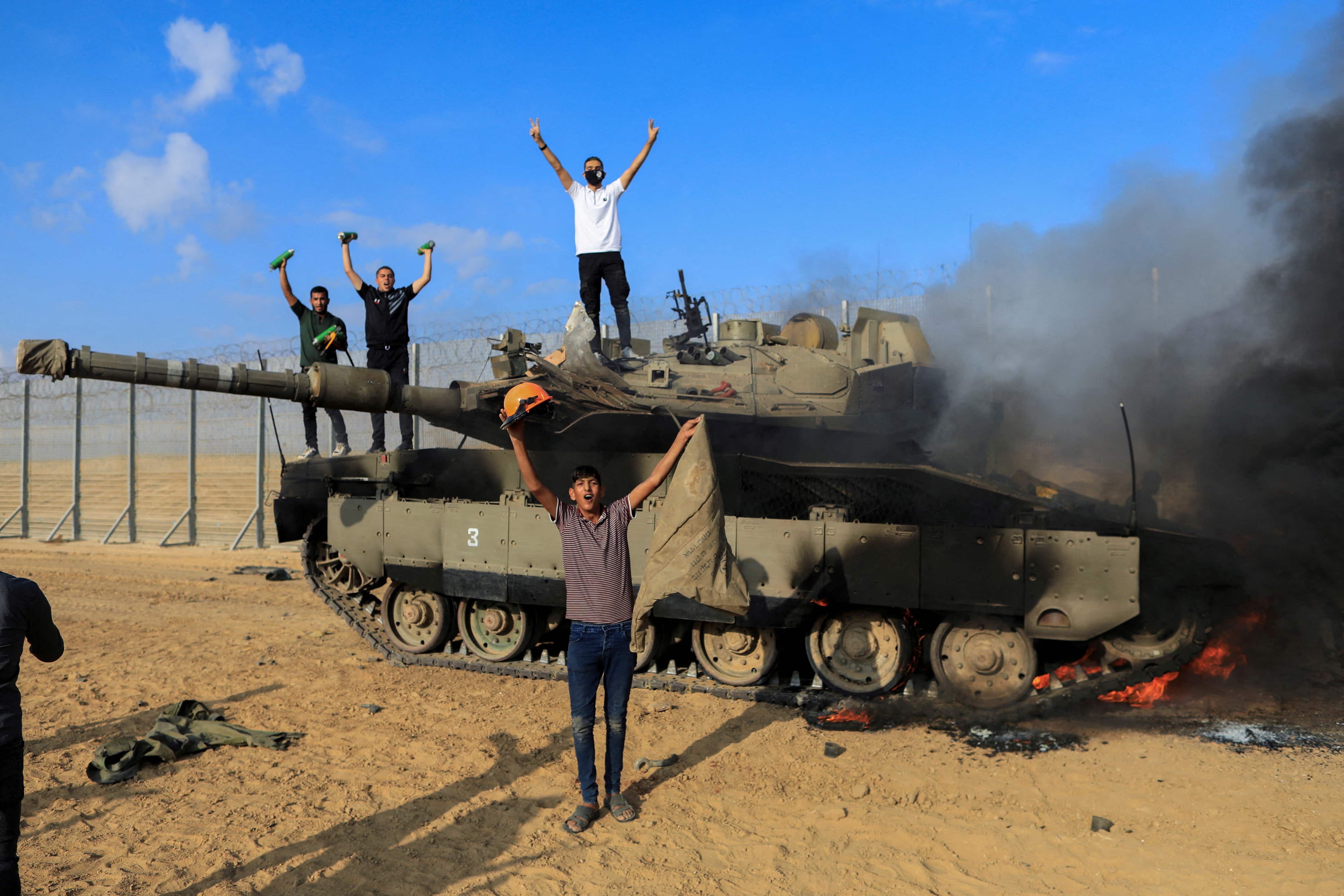
Hamas launched the biggest attack on Israel in years
With the backdrop of an unexpected attack by Hamas on Israel, global financial markets are facing heightened uncertainty, with concerns over inflation and geopolitical risk taking centre stage. As markets react to the unfolding crisis, analysts weigh in on potential impacts and outcomes, Bloomberg reported.
The ensuing conflict, coupled with a surge in crude oil prices, has sent shockwaves through markets already grappling with rising interest rates and inflation concerns.
As tensions escalated, safe-haven currencies like the yen and the dollar strengthened in the early days of the trading week. Norway's krone also saw gains, benefiting from the surge in oil prices. Meanwhile, US stock futures dipped 0.7 per cent, and Asian markets displayed mixed performance. Notably, Middle Eastern equity markets experienced a significant decline, with Israel's benchmark TA-35 stock index witnessing its largest loss in over three years.
Bond traders now face a critical decision: whether to seek refuge in the safety of the dollar, forsaking higher-yield debt, or to brace for the potential impact of increased inflation. While Treasury futures gained ground at the start of the week, cash Treasuries remained closed due to a US holiday.
Bloomberg quoted Ed Yardeni, President of Yardeni Research Inc. As saying, "Geopolitical crises in the Middle East have usually caused oil prices to rise and stock prices to fall. Much will depend on whether the crisis turns out to be another short-term flare-up or something much bigger like a war between Israel and Iran."
Insights from analysts
The report by Bloomberg also cited multiple analysts. Among them, here’s what three of the analysts had to say:
Gonzalo Lardies, Senior Equities Fund Manager at Andbank, mentioned that the situation would introduce increased uncertainty to the markets. He noted that inflation and growth would recede, with geopolitical risk becoming the focal point. He suggested the possibility of a surge in volatility, and he believed that short-term fixed income could once again become a safe haven, while cyclical sectors would come under the spotlight.
Guillermo Santos, Head of Strategy at iCapital, cautioned that the consequences would not be significantly negative for financial markets as long as the conflict remained limited to Palestinians and Israelis. He expressed concern that any expansion of the conflict to oil-producing countries might result in higher crude oil prices, negative inflationary effects for the West, and declining stock markets, potentially leading to a recession.
Alfonso Benito, Chief Investment Officer at Dunas Capital, offered a more optimistic viewpoint, stating that he did not anticipate the situation to have a substantial impact on markets. He acknowledged the longstanding and distressing nature of the situation but believed that, aside from short-term volatility, it would not exert a major influence.
(With inputs from Bloomberg)
WATCH WION LIVE HERE