Flashback Friday | The Reign of the iPhone: A story of innovation and disruption

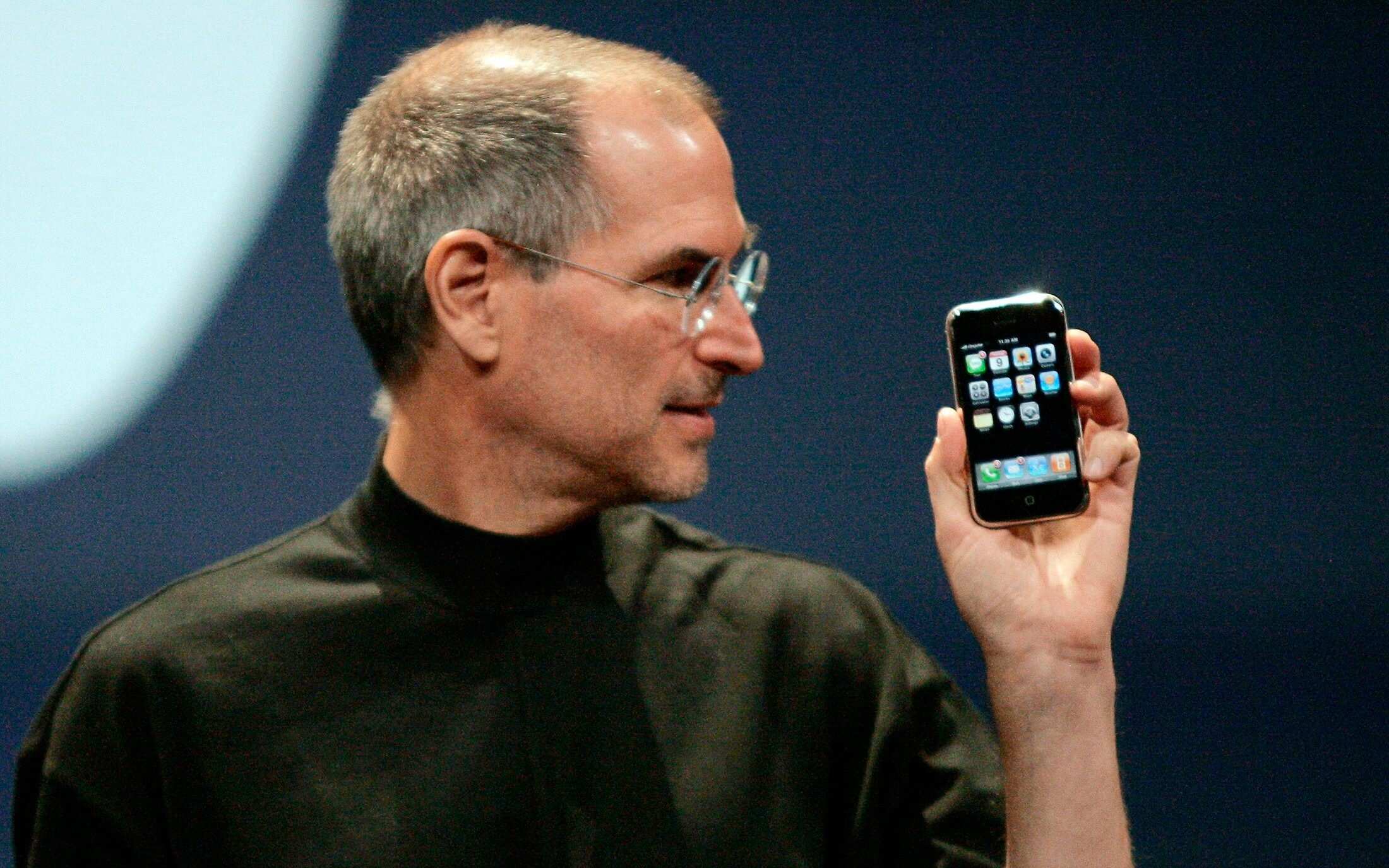
Steve Jobs File Photo
It's Flashback Friday, and this week we take a nostalgic journey back to June 29th, 2007 – a date etched in history as the day Apple unveiled a revolutionary device that would forever redefine the mobile phone industry: the iPhone.
Back then, Apple was primarily known for its sleek computers and the universal iPod music player.
But with the iPhone, they dared to challenge the status quo, presenting a phone unlike anything the world had ever seen – a phone that traded the familiar, albeit bulky, physical keyboard for a vast, multi-touch display.
A Pre-iPhone World: The age of clunky keyboards and limited options
Before the iPhone's arrival, the mobile phone landscape looked vastly different.
Dominated by established players like Nokia and Blackberry, phones offered basic functionalities like calling, texting, and a primitive internet experience, all navigated through the cumbersome interface of physical keyboards.
Blackberry, though a strong contender, offered features like email, but the overall user experience was far from intuitive, demanding patience and a certain dexterity to navigate its button-heavy design.
The iPhone Revolution: A touch of genius
The iPhone wasn't just a phone; it was a revolution meticulously crafted by Steve Jobs and his team.
Its core features were a revelation – a large, multi-touch display that responded fluidly to your fingertips, a user-friendly operating system that broke away from complexity, and the masterwork: the App Store.
This App Store, a novel concept at the time, opened a gateway to a universe of possibilities. Users could now download and install a vast array of applications, transforming the iPhone from a simple communication tool into a powerful pocket computer capable of handling an ever-expanding range of tasks – from navigation and social media to gaming and mobile productivity suites.
The impact was immediate and seismic. According to a CNBC report, the iPhone's influence drove Apple to sell a staggering 2 billion iPhones globally since its launch.
Competitors, caught flat-footed by Apple's innovation, were forced to play catch-up, scrambling to develop touchscreens and user interfaces that could even begin to rival the iPhone's intuitive design.
While some initial criticisms pointed out limitations like the lack of a copy-paste function, the iPhone's user-centric approach and sleek design quickly won over consumers, making it a coveted status symbol.
The iPhone's Legacy: A transformation beyond the phone
The iPhone's influence stretched far beyond the confines of the mobile phone industry. It revolutionised the way we interact with the internet.
Websites needed to adapt to a touch-based world, leading to a new era of web design optimised for the intuitive swiping and tapping gestures the iPhone pioneered.
Mobile photography, once limited to grainy, low-resolution images captured on flip phones, was catapulted into a new era with the iPhone's easy-to-use camera.
Suddenly, everyone had a powerful camera in their pocket, fostering a generation of social media-savvy photographers who documented their lives with a tap.
Perhaps most significantly, the iPhone fuelled the meteoric rise of app usage, social media platforms, and mobile entertainment.
This transformed how we communicate, access information, and consume leisure, fundamentally altering the social and cultural landscape.
A Legacy Still Unfolding: The enduring appeal of the iPhone
Today, Apple remains the undisputed leader in the smartphone market, a testament to the iPhone's enduring impact and influence. According to Business of Apps, iPhone sales account for a whopping 52 per cent of Apple's total revenue, generating a staggering $383.2 billion in 2023.
But the story doesn't end there.
With each new iteration, Apple continues to push the boundaries of technology, integrating features like facial recognition and advanced camera systems that boast professional-grade capabilities.
As we look back at the beginning of the iPhone's reign, a question lingers: what ground-breaking innovations will grace the next iPhone?