Alphabet, Meta, and Snap lead ad market rebound with AI-powered strategies


File photo of the Google logo.
Recent financial reports from tech giants Alphabet, Meta, and Snap are painting an optimistic picture for the advertising industry, suggesting that the widespread adoption of artificial intelligence is luring marketers to digital platforms, even in uncertain economic times. All three companies exceeded quarterly revenue expectations, showcasing robust performance in their advertising businesses.
"AI is helping advertisers find as many people as possible and their ideal audience for the lowest possible price," Reuters quoted Philipp Schindler, Chief Business Officer at Google as saying. Google, a subsidiary of Alphabet, has been actively investing in AI, notably with tools like Performance Max, which employs artificial intelligence to determine how marketing budgets should be distributed across Google's advertising network.
Schindler also highlighted the strength of the retail sector during the July-September period, emphasising the company's preparations for a prolonged holiday season to offer consumers attractive deals cantered on price and convenience. Alphabet reported a remarkable 9.5 per cent increase in ad revenue for the third quarter, surpassing Wall Street estimates, with a 12 per cent growth in its YouTube ads business.

Meta, the parent company of Facebook and Instagram, reported a substantial 31 per cent increase in ad views compared to the previous year. To capitalise on this momentum, Meta has announced plans to make substantial investments in AI in the coming year. Despite a 6 per cent decrease in the average price per ad, this decline's pace was the slowest in seven quarters.
Meta's efforts in AI-powered marketing planning and ad measurement features have been vital in fuelling its growth, particularly in response to privacy changes led by Apple, which constrained the use of personal data for ad targeting. The company is now introducing AI tools to generate various ad campaign variations swiftly, setting it apart from smaller competitors like Snap.
Snap, the company behind Snapchat, has seen significant returns on its investment in ad-targeting tools with technology. Their average revenue per user increased during the third quarter, indicating the success of their ad strategies.
&imwidth=180&imheight=135&format=webp&quality=medium)
Brendan Taylor overtakes Andy Flower to become Zimbabwe’s leading ODI run-scorer
&imwidth=180&imheight=135&format=webp&quality=medium)
Pakistan to head IMF, World Bank boards after 74 years amid persistent economic crisis
&imwidth=180&imheight=135&format=webp&quality=medium)
"The scariest thing was"... flydubai Captain Smit Machchhar recalls cockpit fight and how he thought of his son and daughter
&imwidth=180&imheight=135&format=webp&quality=medium)
'We are not sitting in ivory towers, we are aware': SC issues notice to Rahul Gandhi, Akhilesh Yadav
&imwidth=180&imheight=135&format=webp&quality=medium)
6-year-old among 2 killed as vehicle crashes into youth soccer game in US
&imwidth=180&imheight=135&format=webp&quality=medium)
‘I have very severe problems’: Trump fuels health speculation during address to firefighters
&imwidth=180&imheight=135&format=webp&quality=medium)
Lizard people? Ex-US Army sniper claims soldier killed by 'reptilian beings' in battle near Area 51
&imwidth=180&imheight=135&format=webp&quality=medium)
At least 19 killed in stampede-like situation after part of Kolkata Durga Puja pandal collapses
&imwidth=180&imheight=135&format=webp&quality=medium)
Rain washes out 5th T20I as India-West Indies share honours 2-2
&imwidth=180&imheight=135&format=webp&quality=medium)
'Reason UN has lost credibility': Amid SIR protests India hits out at report alleging 'youth repression'
&imwidth=180&imheight=135&format=webp&quality=medium)
Pope Leo XIV discharged from hospital in Rome after cancer surgery
&imwidth=180&imheight=135&format=webp&quality=medium)
‘My president, I mean my husband’: Trump's new press secretary Katie Zacharia's first briefing goes off the rails in 14 minutes
&imwidth=180&imheight=135&format=webp&quality=medium)
China responds to Trump's Press Secretary Katie Zacharia after toilet remark: 'Visit China more often'
&imwidth=180&imheight=135&format=webp&quality=medium)
UAE agrees with Saudi Arabia to rejoin Yemen fight as Houthi strikes rattle Riyadh
&imwidth=180&imheight=135&format=webp&quality=medium)
PCB omits Atherton, Hussain from tri-series commentary panel over Imran Khan interview row
&imwidth=180&imheight=135&format=webp&quality=medium)
'Let’s go to France, no riots, no revolutions': Trump mocks France protests, Vance blames it on immigration
&imwidth=180&imheight=135&format=webp&quality=medium)
SA vs AUS 2nd Test: Rain delays start as Rabada returns; Boland replaces Lyon for Australia
&imwidth=180&imheight=135&format=webp&quality=medium)
At least 400 arrested as protests turn violent in France; PM blames far left
&imwidth=180&imheight=135&format=webp&quality=medium)
Explosion and fire at military base in Canada's Alberta, casualties feared
&imwidth=180&imheight=135&format=webp&quality=medium)
WATCH | iPhones, luxury perfumes floating in Hormuz? Iranian fishermen make bizarre discovery
&imwidth=180&imheight=135&format=webp&quality=medium)
Two students die, 14 injured at Dandiya event in Hyderabad: Know what happened? VIDEO
&imwidth=180&imheight=135&format=webp&quality=medium)
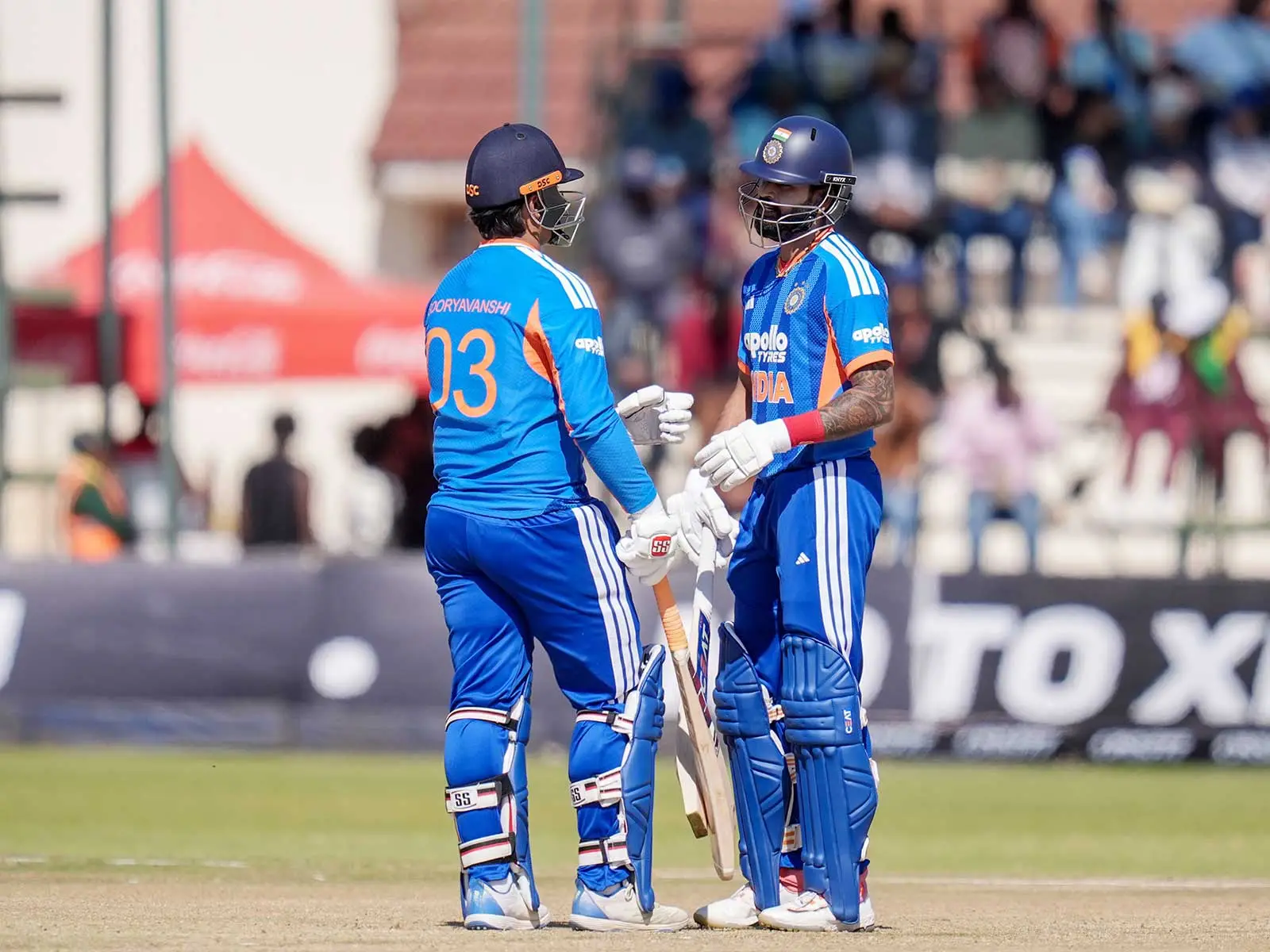
'keep telling him you will get your opportunities': Iyer opens up on conversations with Sooryavanshi
&imwidth=180&imheight=135&format=webp&quality=medium)
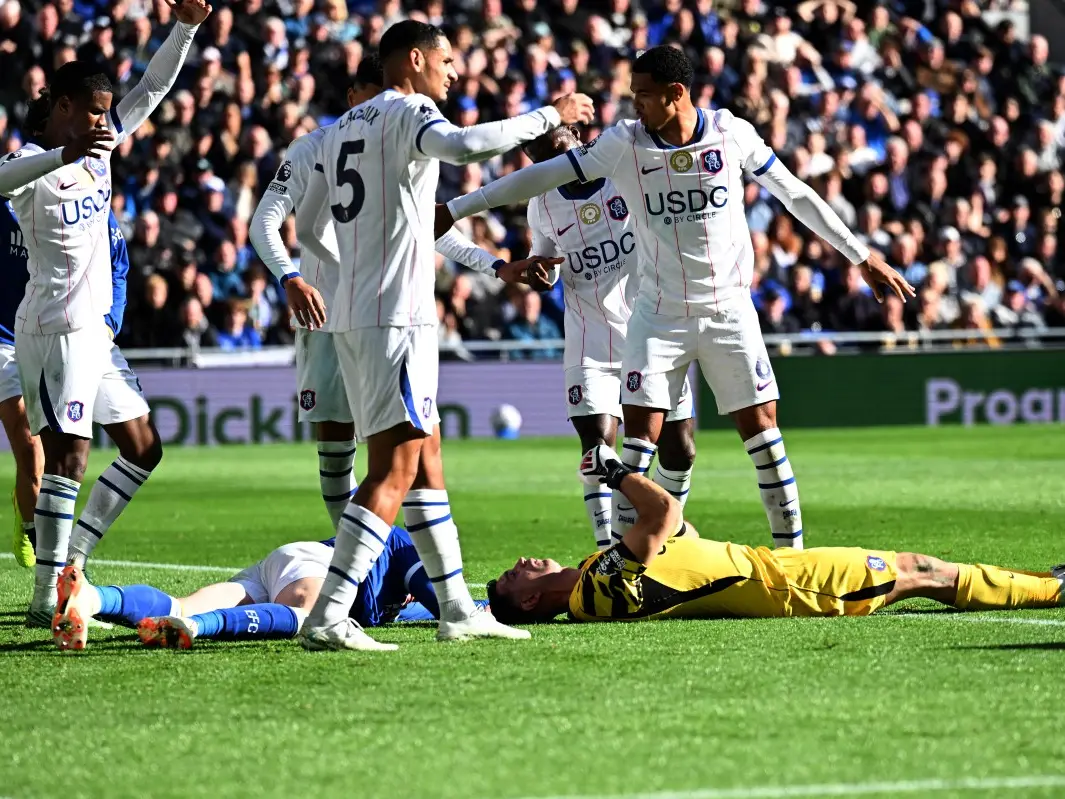
‘Be back in few weeks’: Emi Martinez shares first update after head clash in Premier League match
&imwidth=180&imheight=135&format=webp&quality=medium)
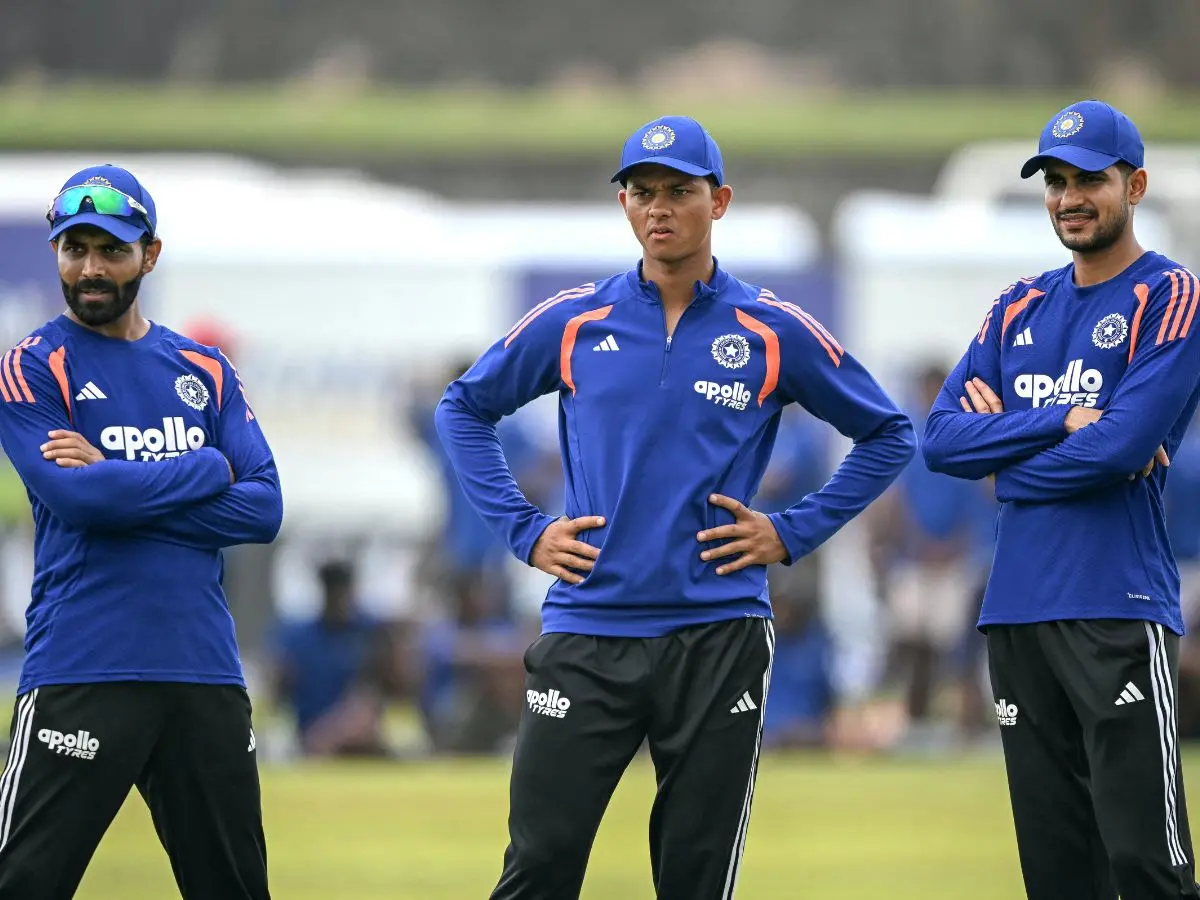
No Ravindra Jadeja, Yashasvi Jaiswal in India’s 2027 ODI World Cup plans: Report
&imwidth=180&imheight=135&format=webp&quality=medium)
Kolkata Durga Puja stampede: PM Modi announces Rs 2 lakh ex-gratia for kin of dead, Amit Shah to visit injured
&imwidth=180&imheight=135&format=webp&quality=medium)
Taylor Swift performs at star-studded Academy Museum Gala 2026 in stunning Dior ensemble
&imwidth=180&imheight=135&format=webp&quality=medium)
Anirudh Ravichander-Kavya Maran wedding: Telangana CM reveals Chennai reception date
&im=FitAndFill=(700,400)&imwidth=180&imheight=135&format=webp&quality=medium)
Inside Tesla's Roadster: 10 features of Elon Musk's 'flying car' that push the limits of electric vehicles | In Pics
&imwidth=180&imheight=135&format=webp&quality=medium)
Ranbir Kapoor visits North Bombay Durga Puja pandal, offers prayers
&imwidth=180&imheight=135&format=webp&quality=medium)
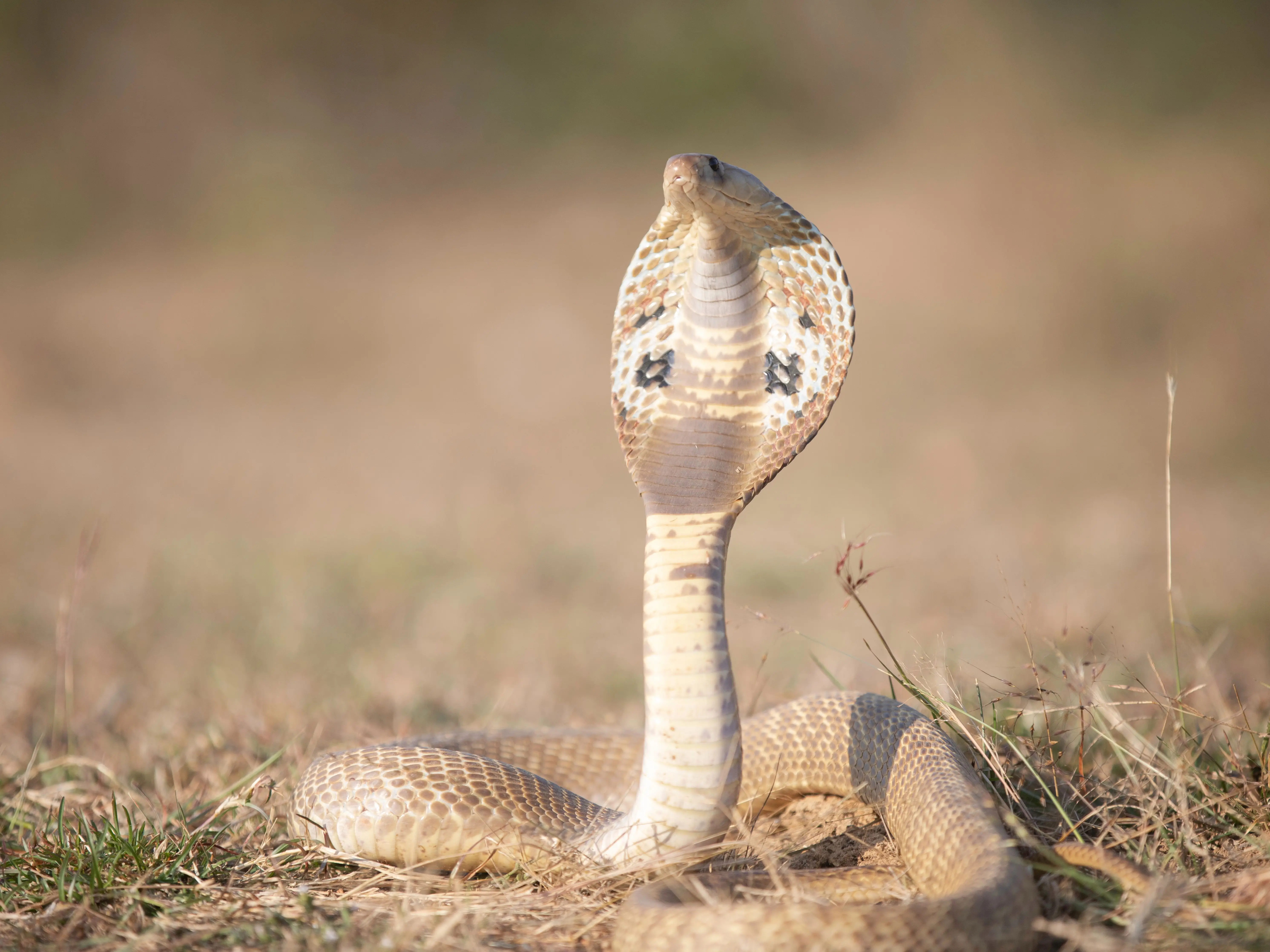
One species, two lineages: Why Sri Lanka’s spectacled cobra differs genetically from Indian variant
&imwidth=180&imheight=135&format=webp&quality=medium)
Oil tanker carrying over 2M barrels of crude hits mine in Strait of Hormuz, catches fire, says Iran
&imwidth=180&imheight=135&format=webp&quality=medium)
2 injured in plane crash on busy California highway
&imwidth=180&imheight=135&format=webp&quality=medium)
'We feel like Mr India': Gujarat’s undercover SHE team guard garba nights at Navratri
&imwidth=180&imheight=135&format=webp&quality=medium)
'It's a joy to see the makers bring it on such a grand scale': SS Rajamouli on Ramayana
&imwidth=180&imheight=135&format=webp&quality=medium)
13 dead after truck mows down devotees, crashes into temple gate in Madhya Pradesh's Gwalior
&imwidth=180&imheight=135&format=webp&quality=medium)
IND-W vs ZIM-W, 2nd T20I: When and where to watch live streaming in India?
&imwidth=180&imheight=135&format=webp&quality=medium)
Kolkata puja pandal stampede: 7 arrested, section 163 restrictions imposed in north Kolkata
These results reaffirm the ongoing rebound of the advertising market, particularly driven by retail companies' ad spending. Industry analysts believe that Google and Meta stand as the primary beneficiaries of this resurgence.
"We expect the larger platforms like Meta and Google to lead the wallet share growth at least initially in this ad spend recovery," Reuters quoted analysts at Evercore ISI. The widespread reach of these tech giants attracts a steady stream of advertisers, making them more resilient to geopolitical uncertainty and economic volatility.
However, Meta's Chief Financial Officer, Susan Li, noted that the company had detected some "softness" in ad spending at the beginning of the fourth quarter, possibly linked to the Israel-Gaza conflict.
Despite this, recent forecasts from media research and investment firm Magna remain optimistic. Magna raised its forecast for ad spending growth in theU.S.to 5.2 per cent for 2023, up from the previous estimate of 4.2 per cent, with expectations of a 9.6 per cent rise in digital ad sales during the same period.
(With inputs from Reuters)
WATCH WION LIVE HERE