China Evergrande’s EV unit faces asset seizure over unpaid subsidies

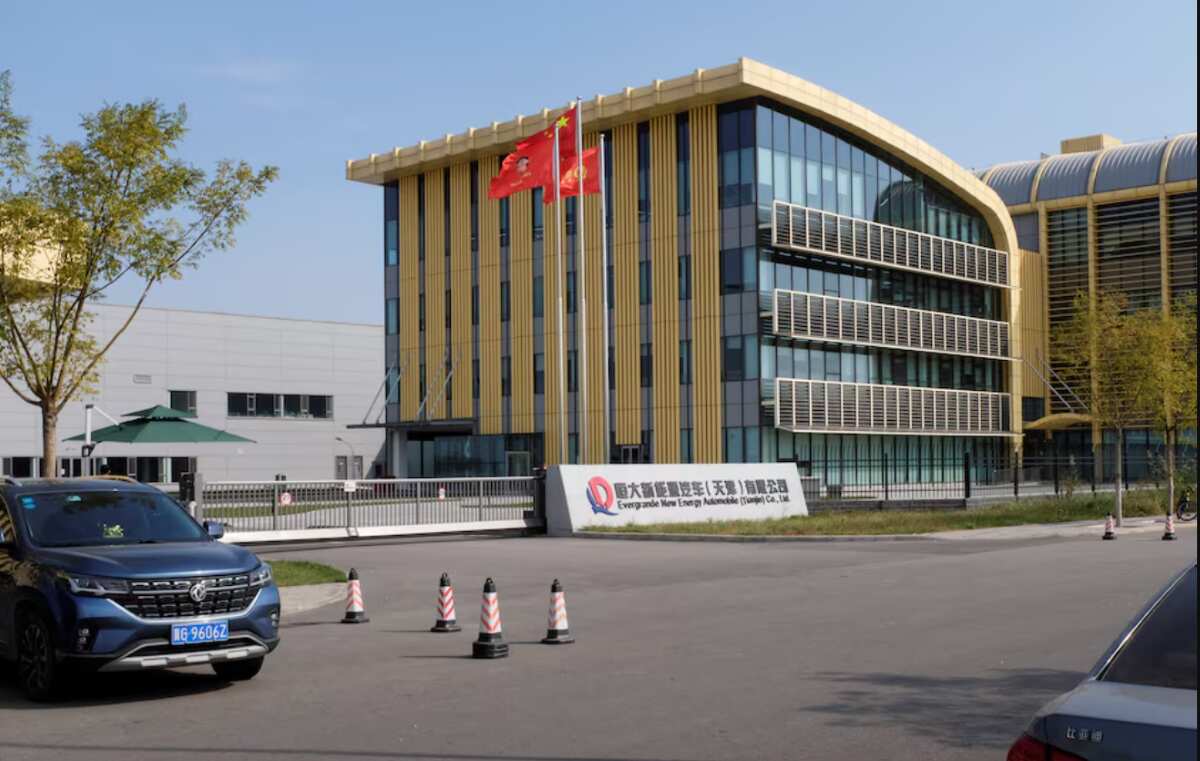
China Evergrande’s EV unit faces asset seizure
China Evergrande New Energy Vehicle Group (0708.HK) is facing significant operational challenges, with local administrative bodies demanding repayment of 1.9 billion yuan (USD 261.91 million) in subsidies. This development threatens the company's assets, including land and equipment, as the company grapples with increasing financial pressures.
Subsidy repayment demand
In a letter sent last month, local administrative authorities demanded that Evergrande Automotive Holdings terminate several investment cooperation agreements made since April 29, 2019. This letter serves as a formal demand for the repayment of substantial subsidies provided to the company. The potential enforcement of this demand could lead to the compulsory resumption of land associated with the company's plants, along with the seizure of buildings and equipment used to repay the subsidies.

The company's statement on Tuesday highlighted the gravity of the situation: "If the decision by the relevant local administrative authority is implemented, it would result in the Group being exposed to the risks of compulsory resumption of land of the relevant plants, and the buildings and equipment thereon being used for repayment of the said incentives and subsidies."
Operational halt and rectification orders
Adding to the company's woes, Evergrande New Energy Vehicle (Tianjin) Co, another subsidiary, received a notice instructing it to address three specific issues and to cease the production and sale of new energy passenger vehicles. This halt in operations further compounds the difficulties faced by Evergrande's EV unit as it strives to maintain its position in the market.
The group has expressed its intent to submit the necessary appeal and rectification materials to the authorities within the specified time frame, in hopes of mitigating the impact of these orders. However, the outcome remains uncertain, and the potential repercussions on the company's operations are significant.
Market reaction
The market reacted sharply to the news, with shares of China Evergrande New Energy Vehicle Group plunging 27% on Wednesday. This dramatic drop reflects investor concerns about the company's ability to navigate the financial and operational challenges it faces.
The broader context of Evergrande's financial struggles, including the parent company's well-publicised debt issues, has cast a long shadow over its subsidiaries. The demand for subsidy repayment adds another layer of complexity to an already precarious situation.
Strategic and financial implications
The demands from local administrative bodies not only threaten Evergrande's physical assets but also highlight the broader challenges facing the company. The potential loss of key assets such as land and equipment could severely impact the company's ability to continue its operations and fulfil its strategic objectives.
Moreover, the halt in production and sales ordered for Evergrande New Energy Vehicle (Tianjin) Co signifies regulatory and operational hurdles that need to be addressed urgently. The company's ability to comply with these rectification orders and resume normal operations will be critical in determining its future trajectory.
The road ahead
Evergrande's response to these challenges will be closely watched by investors, regulators, and industry stakeholders. The company's ability to navigate the demands for subsidy repayment, address regulatory concerns, and stabilise its operations will be crucial in shaping its future.
The situation underscores the broader financial and operational risks associated with the rapid expansion of the electric vehicle sector in China. As companies like Evergrande strive to capitalise on the growing demand for new energy vehicles, they must also contend with stringent regulatory requirements and the need for robust financial management.
The challenges faced by China Evergrande New Energy Vehicle Group highlight the complexities and risks inherent in the electric vehicle industry. The demands for subsidy repayment and the operational halt ordered for its subsidiary underscore the critical need for strategic and financial resilience. As the company navigates these challenges, its actions will be pivotal in determining its ability to sustain its operations and achieve long-term success in the competitive EV market.
(Inputs from Reuters)