World’s first malaria vaccine to achieve WHO-specified efficacy developed in UK

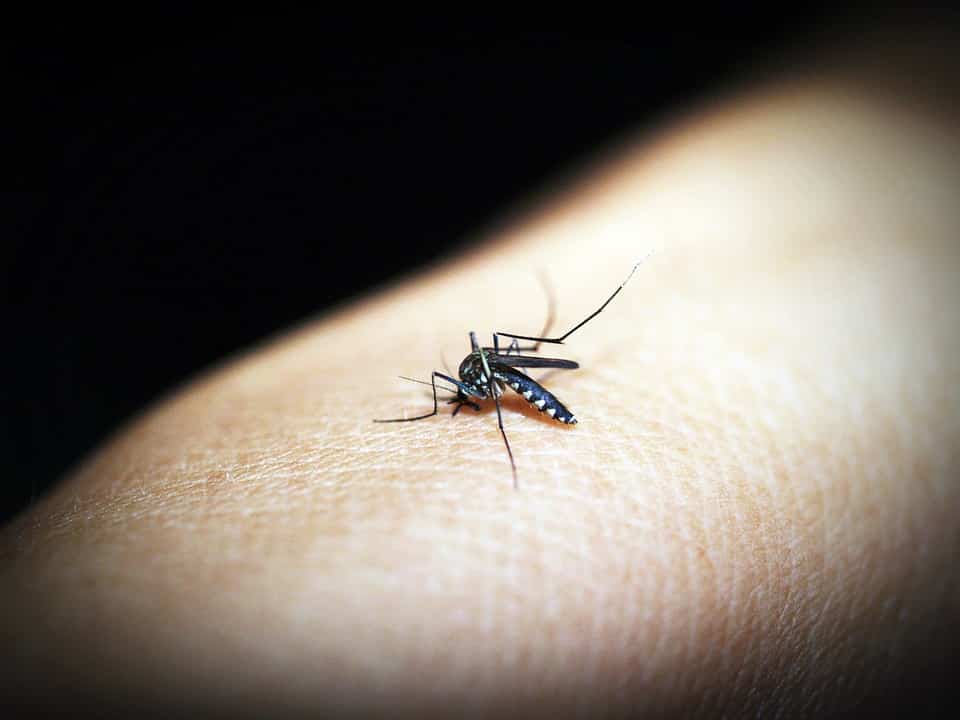
Malaria
According to a report by a team of researchers from the University of Oxford and their partners, R21/Matrix-M, a malariavaccine which was in its Phase IIb trial, showed an efficacy of 77 per cent over a period of 12 months. This efficacy rate makes this vaccine the first ever to achieve the World Health Organisation (WHO) specified 75 per cent efficacy goal.
The team behind the vaccine hopes that it will be approved for use within the next two years. "With the commitment by our commercial partner, the Serum Institute of India, to manufacture at least 200 million doses annually in the coming years, the vaccine has the potential to have a major public health impact if licensure is achieved.", said Adrian Hill, director of the Jenner Institute, co-author of the paper.
Hill also said that "we and others have found that if you vaccinate just before the malaria season, you get maybe a 10 per cent improvement or something like that in efficacy - that's not published yet but will be coming out fairly soon from another group", adding that he was "pretty confident" that the proven 77 per cent efficacy could be replicated in the upcoming phase of the trial.
Prof Adrian Hill said that the vaccine isin his opinion the world’s most effective vaccine against malaria “in the sense that no other vaccine has had a primary endpoint with over 75 per centefficacy”. Talking about his team’s excitement over this, he added that there is still a final phase of testing for the vaccine to go through.
Malaria leads to the fatality of hundreds of thousands of children each year all over the world and is a disease that just last year was the cause of death for approximately four times the number of people killed by COVID-19.