

&imwidth=800&imheight=600&format=webp&quality=medium "World Food Day 2025: Top 10 countries with the highest food waste, see where India stands")
Every year, October 16, 2025, is celebrated as World Food Day for empowering and creating a peaceful, sustainable, prosperous and food-secure future. This year marks the 80th anniversary of the Food and Agriculture Organisation. FAO was created in 1945, with the objective to tackle world hunger, food waste and raise awareness about the issues around food security.
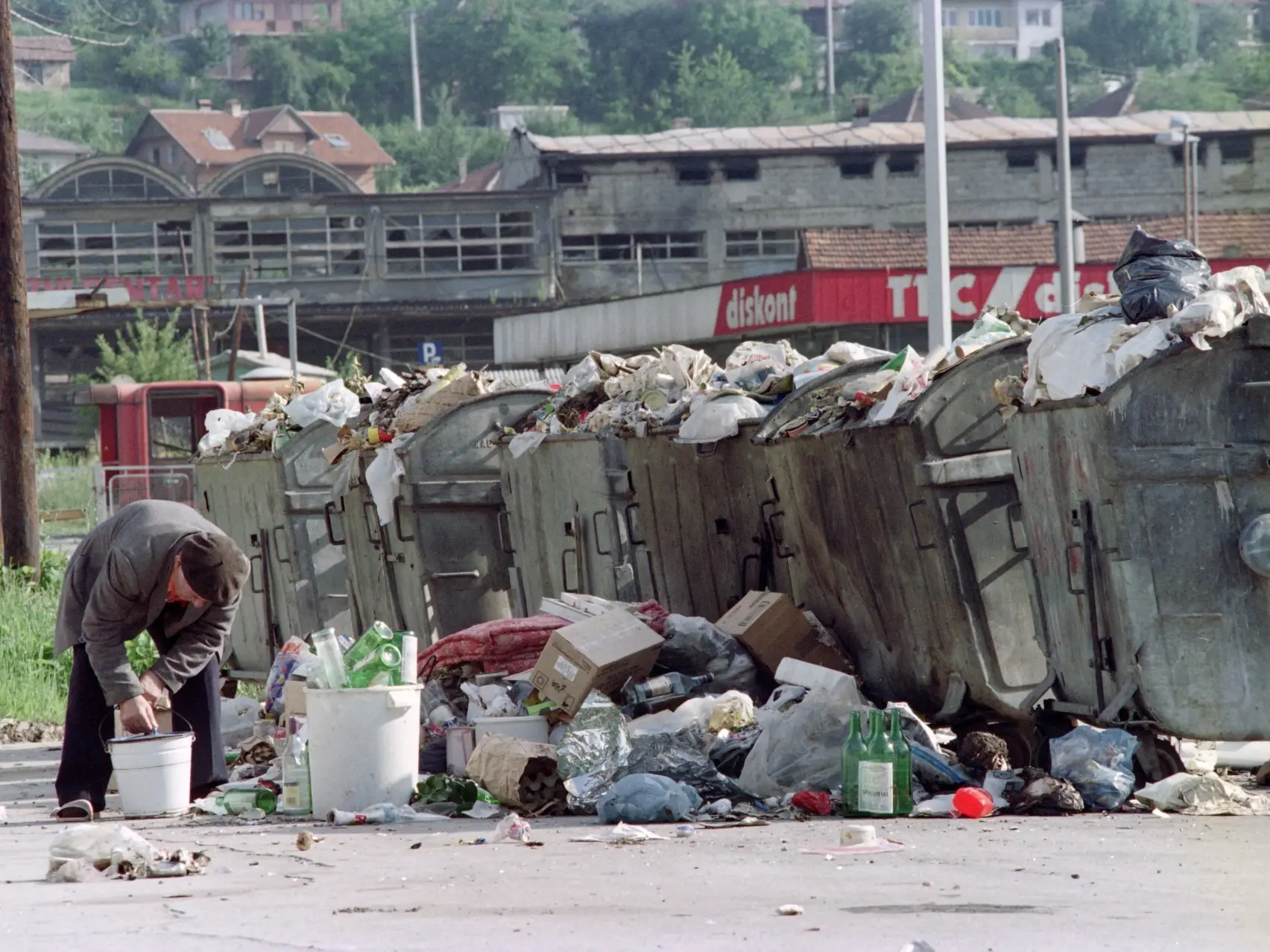
Our ecosystem is delicate. Production and consumption of food are deeply intertwined with the environment. An unchecked population growth, unsustainable production and consumption practices have led to environmental degradation and exacerbated climate change. This has damaged the Food System as well, which suffers from a lack of biodiversity, climate change and pollution. According to FAO data, nearly 673 million people live in hunger, and in some places, there is obesity. The coexistence of contrasting picture of absence and abundance is the result of unsustainable food practices, according to the United Nations Environment Programme (UNEP), more than $1 trillion’s worth of food is thrown away every year and this is not just a third world problem, both developing as well as developed country are contributing to food waste while hundreds of million live in hunger and desperation.
Top 10 countries based on total annual food waste
According to data collated by the World Population Review, the top 10 countries according to the total amount of food waste are as follows. These data are collected on a national level, and the precise methodology can vary from country to country.
| Country | Total Annual Food Waste (Tonnes) | Notes |
| China | 108,667,369 | China is one of the largest country in the world and was the most populas country untill 2024. In 2024, approximately 76 kg of food were wasted per capita |
| India | 78,192,338 | India is also one of the largest country and during December 2024-January 2025, India had the second largest population. Approximately 55 kg of food were wasted by each Indian. |
| Pakistan | 30,754,726 | Average Pakistani wastes as much food as the combined waste of an Indian and Chinese. |
| Nigeria | 24,791,826 | Poor storage facilities, inefficient transportation, and limited access to markets results in the loss of a huge number of food in Nigeria. |
| United States | 24,716,539 | United States is the world's biggest economy and is also the biggest consumer of food. It wastes 106 kg food per capita mostly driven by, supply chain problems and consumer wastage. |
| Brazil | 20,289,630 | Brazil also has a huge population. Poor infrastructure and storage capacity has resulted in the waste of 9r kg food per capita per year. |
| Egypt | 18,085,437 | Egypt is one of the top food wasting country with per capita wastage upto 155 kg. |
| Indonesia | 14,728,364 | Indonesia also wastes a huge amount of food due to supply chain inefficiencies, and consumer behaviour. |
| Bangladesh | 14,101,956 | In Bangladesh, food waste is mainly caused by outdated farming methods, lack of cold storage, and spoilage during transportation to crowded urban markets. |
| Mexico | 13,368,447 | In Mexico, food waste is largely the result of inefficient distribution networks, supply chain losses, and consumer practices like discarding food that is still safe to eat. |
Food is an integral part of the Sustainable Development Goal, SDG2: Zero hunger. World Food Day primarily works with the vision of spreading awareness for a better food future. Every grain of food saved counts. Food is also at the centre of the triple crisis of our planet: biodiversity loss, climate change and pollution. Reducing food waste isn’t only about saving food—it’s about protecting the planet, conserving resources, and ensuring food security for future generations

