Will conflict within Ethiopia drag the country into chaos?

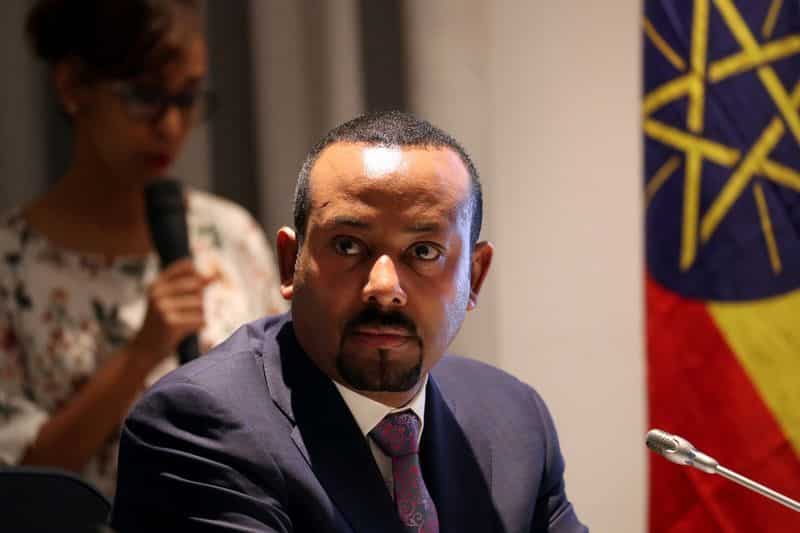
Ethiopian PM
It was around this time last that Ethiopia's Prime Minister Abiy Ahmed won the Nobel Peace Prize. After 16 years of deadlock, he negotiated a peace deal with neighbouring Eritrea. At home, he introduced far-reaching reforms. Today, he is ordering airstrikes on his own people. Under his watch, Ethiopia is standing on the brink of a civil war. You can add Prime Minister Abiy Ahmed to the list of Nobel laureates but one who ended up committing or defending unspeakable crimes.
550 rebels have been killed. More than 6,000 people have been forced to flee. With a defiant, power-hungry regional power and a prime minister promising outright victory, conflict in Tigray may soon qualify as a civil war.
Abiy Ahmed's relationship with regional leadership has always been strained. It reached a tipping point last week. Tigray's ruling party attacked federal troops. In response, Abiy ordered an all-out offensive.
There are reports of heavy fighting in Tigray. But news is becoming increasingly difficult to gather. There is a complete communications blackout. Internet, phone lines and electricity have been cut. Journalists are being arrested.
The government is attempting to control the narrative of this war. A reversal of Abiy's early reforms - that earned him a Nobel Peace Prize.
The prime minister feels he is on the verge of victory. On Monday the scenes in the border town of Dansha reflected his optimism.
"I surrendered to the army because we must not go to war for false reasons. We should be defending our national unity and guarding it. So the young men of Tigray region should not go to war," said a militiaman of Tigray People's Liberation Front (TPLF).
But not everyone in Tigray shares this feeling. Prime Minister Abiy hails from the Oromo ethnic group. The largest in Ethiopia. Historically, the Oromos and Tigrayans have been rivals. This war may reignite the rivalry.
To the South, another fault-line is opening up. The Amharas. They have a long-standing dispute with Tigray over land. When Abiy announced the war the Amharas gave their full support.
Thousands of Amhara fighters are now deployed in Tigray.
"Our military safeguard our nation and keep us united. While we were living peacefully together they TPLF attacked our defence force. We were hurt by that and our people were killed," said Zeleke Alabachew, local militiaman.
Prime minister Abiy has promised that Ethiopia will not descend into chaos. But the African community is worried. Both, the United Nations and the African Union have called for a ceasefire.
A civil war in Ethiopia could destabilise the whole region. thousands are fleeing to Sudan, forcing the country to reinforce its border. Whether this conflict spirals into a civil war, or not depends on one factor. The people of Tigray. If they shift their loyalty to the federal government, The war could draw to an early close.