Why Saudi Arabia cut diplomatic ties with Qatar in 2017

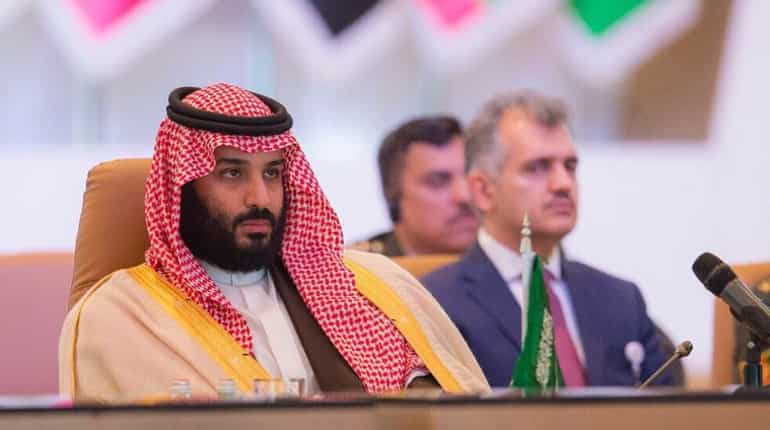
Crown Prince Salman
The Qatar crisis began in June 2017 when Saudi Arabia broke ties with Qatar and in a matter of hours, six more countries followed suit. It was the biggest diplomatic crisis in the region since the Gulf War of 1991.
Saudi Arabia and its allies - Egypt, UAE, Bahrain had announced they would cut diplomatic ties with Qatar a neighbour who wasn't getting along with Saudi Arabia.
Qatar's independent and ambitious foreign policy triggered the fight. It was making moves to step out of the shadow of Saudi Arabia, then the Muslim Brotherhood began to gain ground in Egypt.In 2011, Qatar endorsed it, however, Saudi Arabia did not like the decision.
Riyadh saw the Muslim Brotherhood as a threat to regional stability. It felt their success in Egypt might motivate underground brotherhoods in other countries and challenge the authority of the Kingdoms of the Gulf.
But Qatar disagreed and deepened its engagement with the Muslim Brotherhood. The second flashpoint was Hamas - the Palestinian militant group. Qatar allowed Hamas to operate from its soil even as Saudi Arabia declared it a terrorist organisation.
The third major point of difference was Iran. Qatar supported Iran which the Saudis view as their arch enemy. In 2017, the disagreements came to a head. Saudi Arabia and its allies announced blockade in Qatar cutting diplomatic ties as air, land and sea travel was suspended.
Qatar was given ten days to meet thirteen sweeping demands. Qatar made no major concessions as it managed to tide the wave due to its gas-fuelled wealth.
However, the initial days were a struggle as store shelves went dry and air traffic came to a halt. Qatar arranged new shipping routes to offset the closure of the border with Saudi Arabia.
Cash from Qatar's sovereign wealth fund was deployed to shore up local banks and throughout the negotiations, the Qatari government stuck to its guns. It refused to outsource its foreign policy.
The rift ended up fracturing the Arab world causing real damage to the Gulf as trade and commerce fell apart in the region. Thousands of people had to rush back to their homes overnight to return to Qatar.
Some families were unable to see their relatives on the other side of the divide.
"What’s behind this crisis, of course is Qatar's sovereignty and independence to put it very simply. It is about our foreign policy and about outsourcing our foreign policy so that decisions are not made in Qatar and that is something that will never be acceptable," Sheikh Saif bin Ahmad al-Thani, Qatar's spokesman said.