Why is Chinese colonisation a severe threat for foreign countries

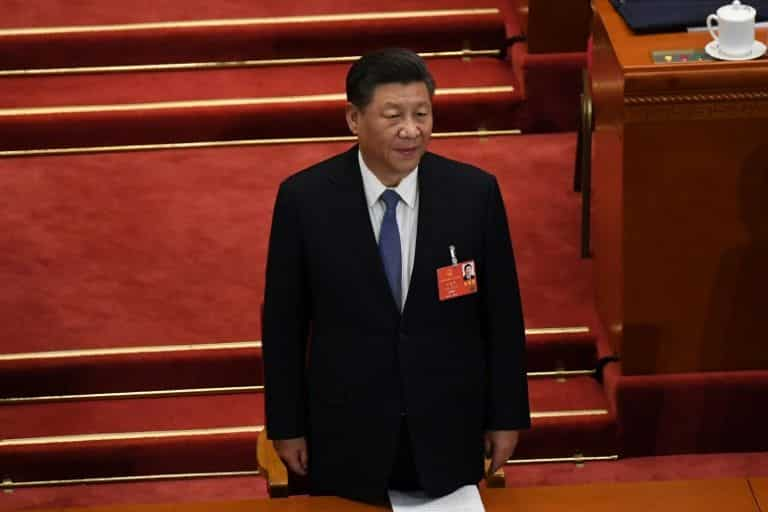
China President Xi Jinping
China is using a new form of colonialism to scheme its way into countries as a part of its expansionist policy.
To fulfil its aim of becominga true global power, China isutilising investment, influence, and interferenceas its secret weapons.
Thischequebook diplomacycontinues today, such as throughChina'ssubstantial support for Pacific nations tackling the Covid-19 pandemic.
China has been using the financial tool of debt to gain influence across the world and grab considerable power in India’s neighbouring countries, thereby increasing the amount of political and security threats the nation is exposed to.
In 2013 Chinese President Xi Jinping launched an international investment program that became known as the Belt and Road Initiative (BRI). Under a new mantra to connect the global economy, China began investing heavily in foreign infrastructure projects in over 60 countries that account for 60 percent of the world population and 30 percent of global gross domestic product.
From 2013 to 2018 China made an estimated nearly $614 billion worth of investments in countries participating in BRI. Morgan Stanley predicts China’s overall expense from BRI could reach $1.3 trillion over the next decade.
President Xi considers BRI an opportunity to share China’s model for economic growth with the developing world. Geopolitical rivals are concerned BRI investment programs will deepen China’s political influence and military expansion.
China's debt-trap diplomacy
In a push to gain rapid political and economic ascendency across the globe, China is dispensing billions of dollars in the form of concessional loans to developing countries, mostly for its large-scale infrastructure projects.
Often, developing nations are lured by China’s offer of cheap loans for transformative infra projects, which involve a substantial investment. These developing nations, which are primarily low- or middle-income countries, are unable to keep up with the repayments, and Beijing then gets a chance to demand concessions or advantages in exchange for debt relief.
Manipulates narratives
Chinese President Xi Jinping has urged the state-owned mediaoutlets should ''tell stories about China well and spread China's voice well; enable the world to see a multidimensional and colorful China; present China as a builder of world peace, a contributor to global development, and an upholder of international order.''
In the last 4 years, Beijing has signed media cooperation agreements with BRIcountries In Thailand, for example, over a dozen media outlets have inked deals with Xinhua.
2019 was named the 'ASEAN-China year of media exchanges'.
China uses systematic strategiesto embed itself in the global news landscape and build its discourse power beyond borders.
At this year's UNGA, Jinping said ''We will never seek hegemony, expansion, or sphere of influence. We have no intention to fight either a cold war or a hot war with any country.”
However, China is continuously increasing the number ofConfucius Institutes, which are public educational partnerships between colleges and universities in China and colleges and universities in other countries; the partnerships are funded and arranged in part by Hanban which is itself affiliated with the Chinese Ministry of Education.
Last year, the Human Rights Watch said that these institutes consider political loyalty while hiring people. Their job, of course, is to sell the Chinese narrative.