Who was Carolyn Bryant Donham, whose false accusation led to lynching of Black man Emmett Till?

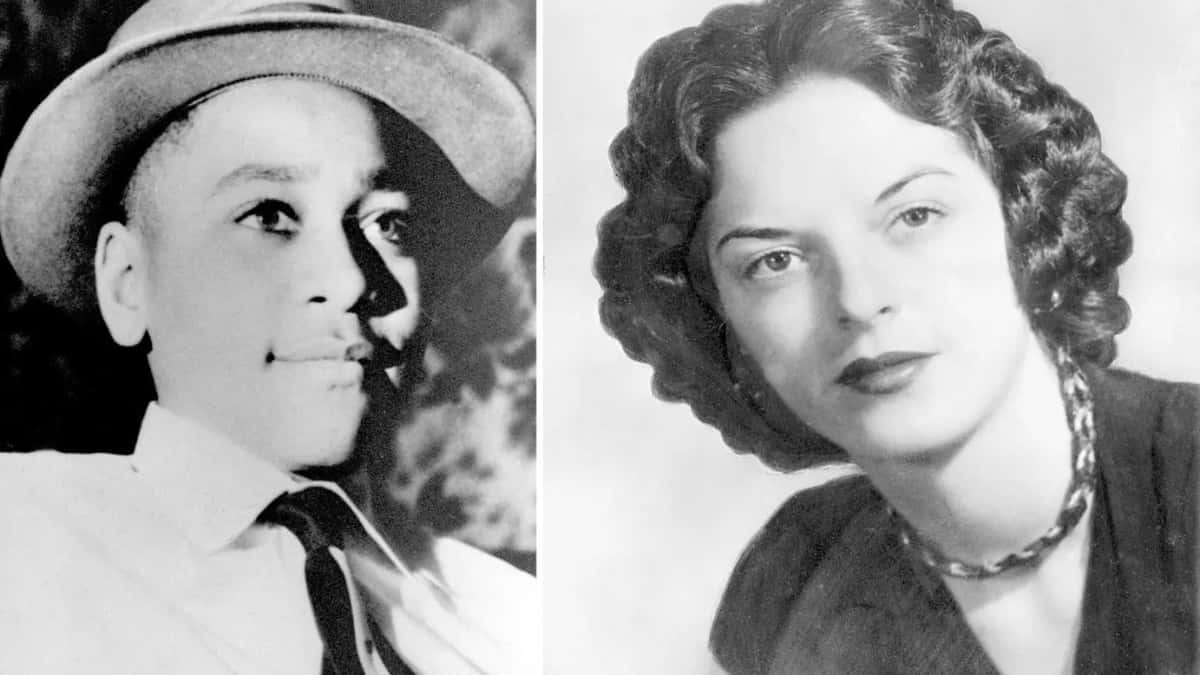
Emmett Till accuser Carolyn Bryant passes away at 88
Carolyn Bryant Donham, the white woman who accused Emmett Till, a black teenager of whistling at her and causinghis 1955 lynching in Mississippi passed away at 88. As per a death report filed on Thursday in the Calcasieu Parish Corner's Office, shedied in hospice care on Tuesday night in Louisiana. Prosecutors sought charges against her for killing Till, 14, up until the year before her death. Theyfailed to convince the jury that she should be put on a trial for "kidnapping and manslaughter." The Emmett Till and Mamie Till-Mobley Institute in a statement following Bryant's death said, "We wish mercy on her soul, even as we regret that she never took responsibility for her rolein Till's murder." Bryant's death closes the chapter of one of the most horrifying lynchings in US history.
Who was Emmett Till?
Born in 1941 near Chicago, Tillhad polio and then developed a stutter. He was 10 when he shifted to Chicago. He later was livingwith his mother's brother in the small Delta community of Money, Mississippi.
What happened in 1955?
On one summer day in 1955, Till went into a store in Money to buy bubblegum unaware of what was coming for him.
Bryant,21 then, was working alone in the shop while her husband, the shopkeeper was away, accused Till of making improper advances and harassing her while she was alone in the shop.
According to BBC, following Bryant's accusation, her husband Roy Bryant and brother-in-law JW Milam dragged Till from his bed at his uncle's home. They tortured him so badly that his face was unrecognisable when his corpse was recovered from the river three days later. He was evenshot in the head and was tied to a 32kg fan.
Appealing for justice for her son, Till's mother Mamie Till Mobley insisted on keeping an open coffin for everyone to see what had been done to the little boy. Some media outlets even published photos of him that shocked the nation. Till's death sparked protests across the county where thousands of people urgedfor justice.
The two kidnappers were arrested over the murder but were released by an all-white jury. Later, in a magazine interview, they both admitted responsibility but said they had not done anything wrong.
During the trial, Bryant took the stand and testified that Till grabbed her hand and propositioned her. Years later in an interview in 2008, she said that part is not true. This sparked the Department of Justice to re-investigate the case but when asked she denied that she had lied during the trial.
The woman was never taken into custody over the events that led to the lynching of the young boy.
According to an unpublished memoir obtained by the Associated Press, Bryant wrote that she did not know what would happen to Till when she made her accusation.
In the United States, Till's death is also thought to have played a part in the congressional discussions that led to the 1957 Civil Rights Act, which increased African American voting rights in the country.