What is the mysterious pneumonia outbreak in Argentina? All you need to know about the disease

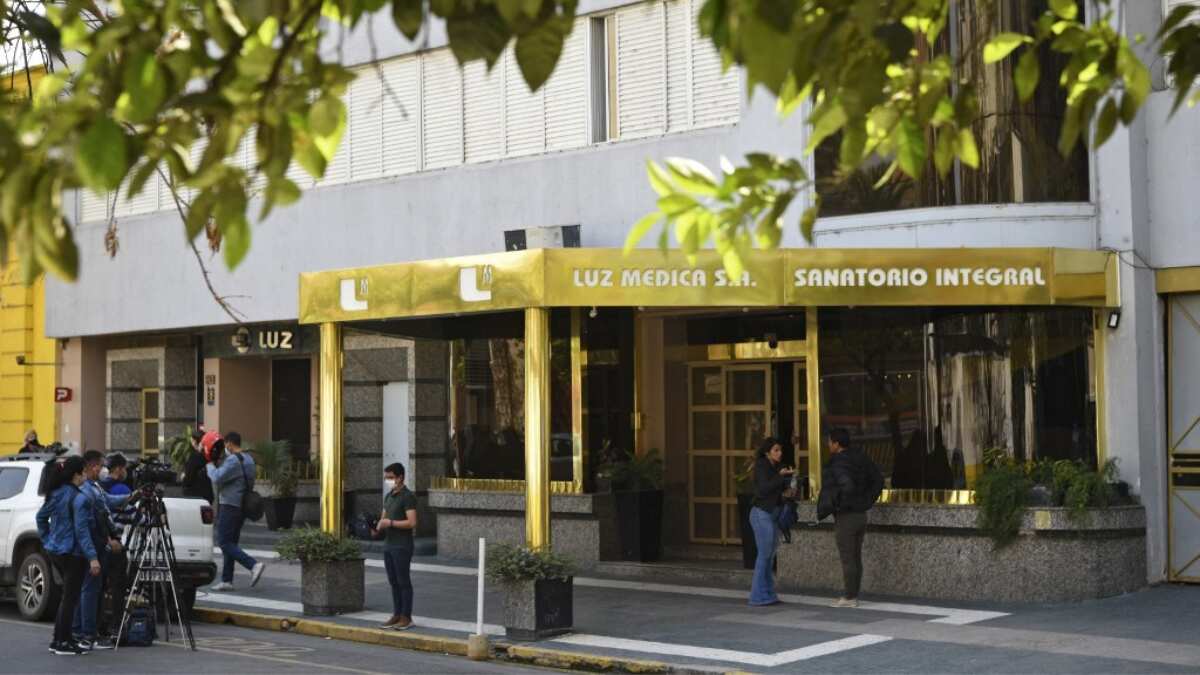
pneumonia outbreak in Argentina
Thepneumonia outbreak in Argentina, which has killed four people, has been linked to Legionnaires' disease. With coronavirus ruled out and other tests coming back negative, the cause had been a mystery until now.
From shortness of breath to muscle and abdominal pains, the cases of the disease have been connected to a private health clinic in the northwestern city of San Miguel de Tucuman.
Noting that the clinic's climate-control systems were being checked, provincial health minister Luis Medina Ruiz said that "toxic and environmental causes" could not be ruled out.
Provincial officials said that out of the seven symptomatic cases that have been identified, four have been hospitalised and three have been given respiratory assistance.
The latest cases were that of a 70-year-old woman who had undergone surgery in the clinic and a 48-year-old man with underlying health problems.
According to the US Centers for Disease Control and Prevention, the legionella bacteria is found naturally in freshwater environments but can grow and spread in building water systems.
Senior citizens over the age of 50 with certain conditions can be particularly at risk as per Argentina's health minister Carla Vizzotti.
Describing the bacterial infection as "aggressive," president of the Tucuman provincial medical college Hector Sale added that it is not normally transmitted person-to-person.
Following an outbreak at a Philadelphia convention of the American Legion of veterans, Legionnaires' disease was discovered and named in 1976.
(With inputs from agencies)
Watch WION's live TV here: