Westminster honeytrap scandal: Man, in mid-20s, arrested on suspicion of harassment

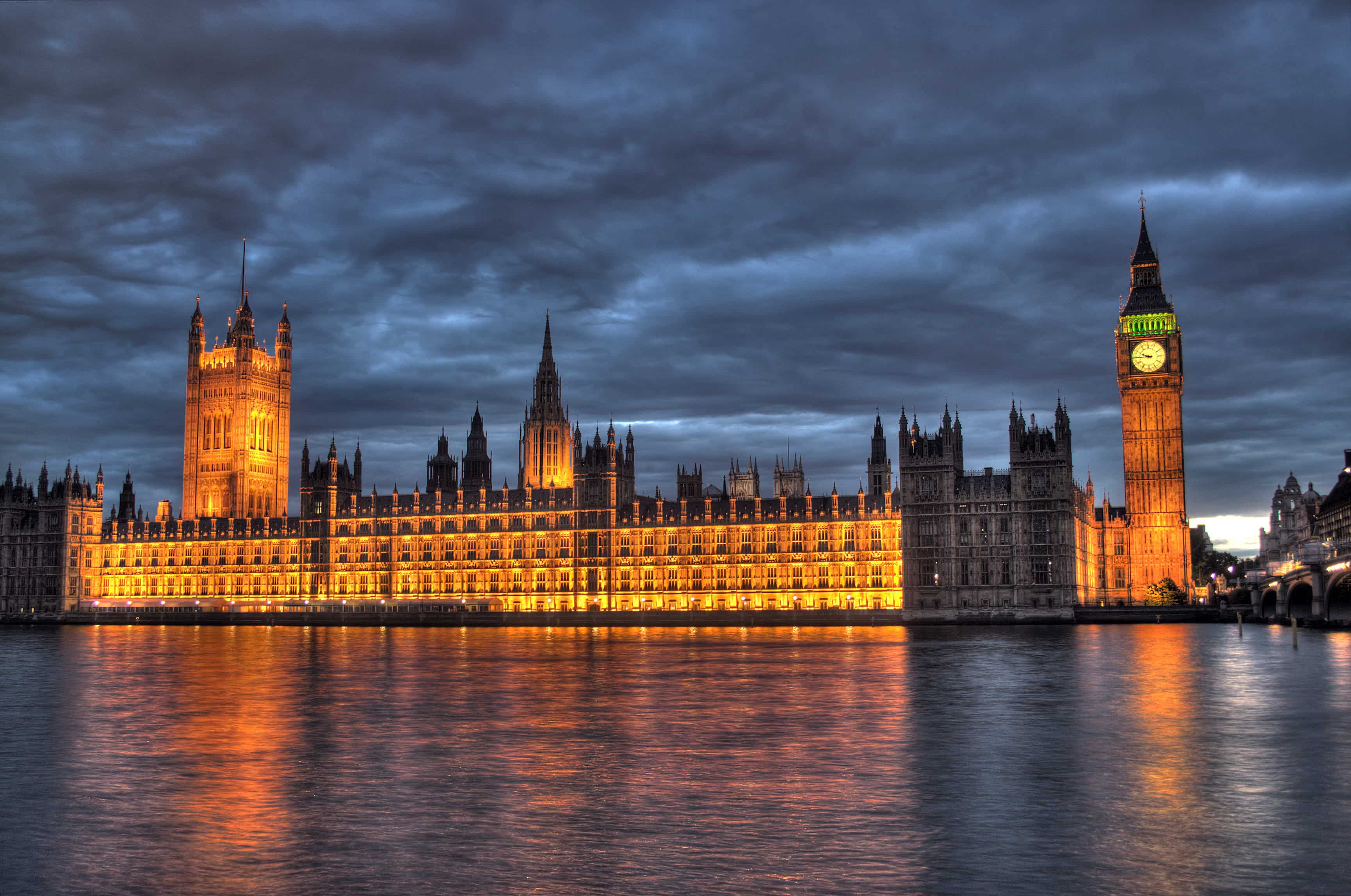
Palace of Westminster (Representative image)
Policeinvestigating a honeytrap plot that targeted several men in political circles have made an arrest in London. The Metropolitan Police apprehended a man in Islington, north London, on Wednesday (June 26) on suspicion of harassment and offences under the Online Safety Act.
The inquiry began in April after it was revealed that around 12 men associated with Westminster had received unsolicited flirtatious messages, often involving the exchange of explicit images, in a sexting scam.
"A man was arrested on suspicion of harassment and committing offences under the Online Safety Act. He was taken into custody where he remains," a Met Police spokesperson said adding, "The arrest relates to an investigation being carried out by the Met’s Parliamentary Liaison and Investigation Team following reports of unsolicited messages sent to MPs and others.
The arrested individual is in his mid-twenties.
The perpetrators reportedly used aliases like "Charlie" and "Abi" to coax MPs and other political figures into sharing compromising photos.
One of the victims was former senior Conservative MP William Wragg, who resigned his party membership after admitting to sharing colleagues' contact details with a suspected scammer out of fear that private images of himself would be leaked.
"They had compromising things on me. They wouldn't leave me alone... I gave them some numbers, not all of them," Wragg had said.
Another target, Dr Luke Evans, urged a full review of Parliament's procedures for handling incidents reported by MPs after also falling victim to the scheme.
Investigation continues
The scandal touched as many as 20 individuals within political spheres who were believed to have been recipients of unsolicited messages, underscoring the widespread impact of the illicit communications.
Watch |Russia-Ukraine war: Russia, US defence ministers talk on phone, warns of escalation Ukraine
The investigation remains ongoing as authorities work to uncover the full extent of the honeytrap plot and its consequences for those targeted. The case has raised concerns about the vulnerability of public figures to such schemes.
(With inputs from agencies)