WATCH | US intercepts second oil tanker off Venezuela over ‘illicit movement’

&imwidth=600&imheight=450&format=webp&quality=medium "WATCH | US intercepts second oil tanker off Venezuela over ‘illicit movement’")
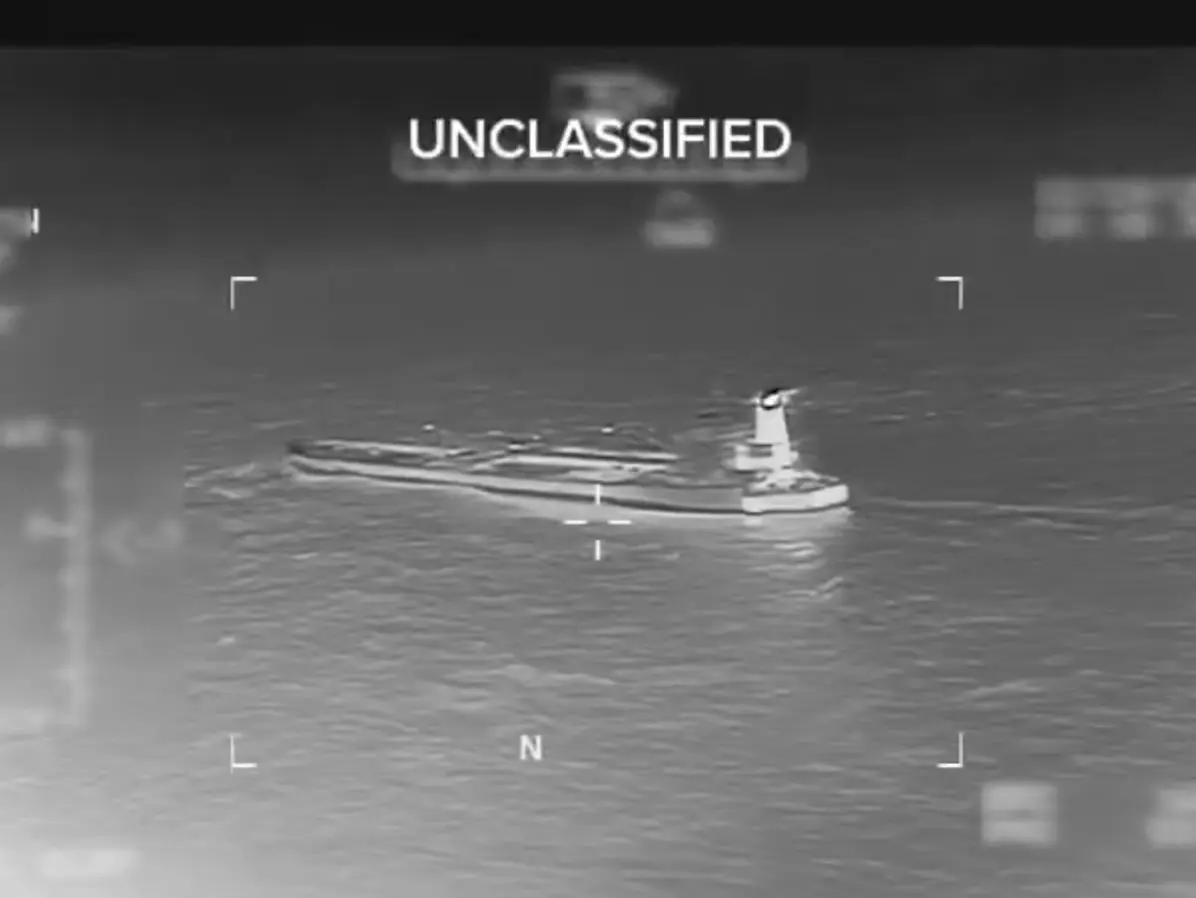
Screengrab from footage posted by Homeland Security Secretary Kristi Noem. Photograph: (X/@Sec_Noem)
This comes after US President Donald Trump announced a blockade of “sanctioned oil vessels” heading to and leaving Venezuela.
The United States on Saturday (Dec 20) “apprehended” an oil tanker off Venezuela, said Homeland Security Secretary Kristi Noem. The move marks the second in two weeks that US forces have intercepted a tanker in the region. This comes after US President Donald Trump announced a blockade of “sanctioned oil vessels” heading to and leaving Venezuela. Meanwhile, Caracas has called the action a “theft and kidnapping,” as tensions rise between the two nations.
Announcing the military action, Noem posted footage from the operation on social media. She added that the US Coast Guard, along with the support of the Department of War, seized the oil tanker that was last docked in Venezuela. She further alleged that the “illicit movement of sanctioned oil” is used to fund narco terrorism in the region.
“In a pre-dawn action early this morning on Dec. 20, the US Coast Guard with the support of the Department of War apprehended an oil tanker that was last docked in Venezuela,” she wrote. “The United States will continue to pursue the illicit movement of sanctioned oil that is used to fund narco terrorism in the region. We will find you, and we will stop you.”
This comes as the US continues to expand its military presence in the Caribbean Sea and eastern Pacific Ocean, carrying out strikes on alleged drug boats.
Amid the mounting tensions between the two nations, Trump has said that he does not rule out the possibility of a war with Venezuela. On Thursday (Dec 18), the US president said that he does not need congressional approval to order military strikes on Venezuelan soil. His remarks have sparked concerns about the legality of the campaign in international waters. Under the US Constitution, the president serves as commander-in-chief of the armed forces, but Congress holds the exclusive authority to formally declare war.

