US: Western states reach historic agreement to save dwindling Colorado river

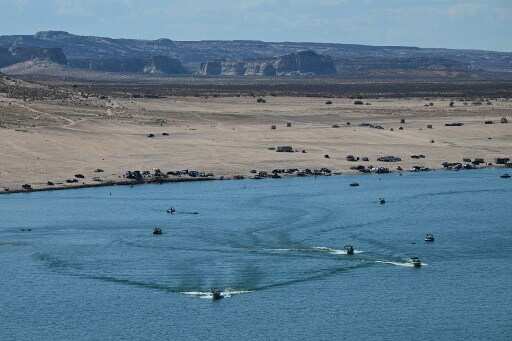
File photo of the Colorado river.
Western US states said on Monday (May 22) that they reached an agreement to cut the amount of water they take from the Colorado River, which has been threatened by a quarter of a century of drought and worsening climate conditions. The river runs through seven American states and Mexico. According to a report by the news agency Reuters on Tuesday, Arizona, California and Nevada would reduce intake by 3 million acre-feet (3.7 billion cubic metres) through the end of 2026- an amount equal to 13% of their river allotment, under a deal brokered and announced by the Joe Biden administration.
The federal government would pay a reported $1.2 billion to water districts, Native American Tribes and cities in California, Nevada and Arizona to use less water over the next three years. These three states make up the Lower Basin of the Colorado River while the Upper Basin includes Colorado, New Mexico, Utah, and Wyoming.

While the Upper Basin states draw their water directly from the river and its tributaries, the Lower Basin states depend on Lake Mead, the reservoir created by the Hoover Dam.
Monday's agreement comes following years of bitter wrangling, with states refusing to give ground even as the watercourse has reached crisis point. The agreement also clears a major hurdle for reaching a three-year plan for distributing water rights starting in 2024.
US President Biden hails agreement: 'Important step forward in....'
US President Joe Biden hailed the agreement and said it was an important step forward in "our efforts to protect the stability of the Colorado River System in the face of climate change and historic drought conditions."
California Governor Gavin Newsom also hailed the deal. In a statement, Newsom said, "The entire Western United States is on the frontlines of climate change -- we must work together to address this crisis and the weather extremes between drought and flood."
"California has stepped up to make significant cuts to water usage and now, this historic partnership between California and other Lower Basin states will help maintain critical water supply for millions of Americans as we work together to ensure the long-term sustainability of the Colorado River System for decades to come," he added.
What happens next?
The seven American states must now go back on a longer-term deal starting in 2027, most likely for two decades, that must be reached without being able to count on rainy years or federal dollars, and with the effects of climate change looming, Reuters reported.
For a long time, the Colorado River Compact has been problematic as it was agreed upon after an unusually wet period, misleading signatories into believing more water was available to them. The river has been further strained by rapid population growth and a drought that threatened to drain reservoir levels below the intake valves that deliver water downstream and cut off hydroelectric production.
WATCH WION LIVE HERE
You can now write for wionews.com and be a part of the community. Share your stories and opinions with us here.