

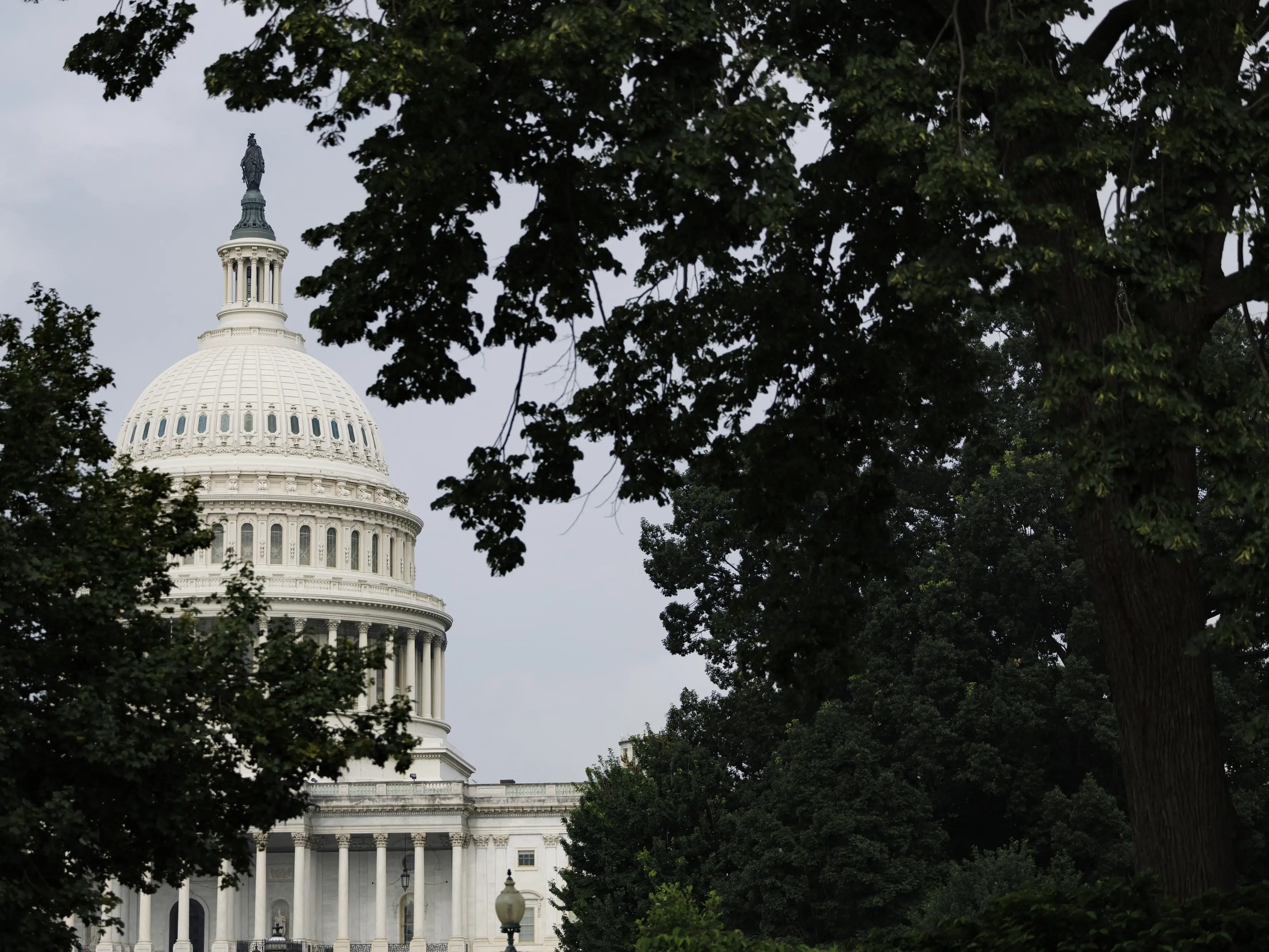
&imwidth=800&imheight=600&format=webp&quality=medium "US Supreme Court strikes down Trump's birthright citizenship order")
The US Supreme Court on Tuesday (June 30) struck down President Donald Trump's bid to end birthright citizenship, blocking an executive order that sought to overturn a constitutional principle recognised for more than a century. The order, a key part of Trump's immigration agenda, had faced legal challenges from the outset over its constitutional validity.
Supreme Court rejects Trump's 'domicile' argument
The court dismissed one of Trump's central arguments that birthright citizenship should apply only to people who are "domiciled" in the US, meaning they intend to remain in the country permanently. Writing for the majority, Chief Justice John Roberts said there was little historical or legal basis for interpreting the 14th Amendment in that way.
"If Congress intended to hinge citizenship on each individual's domicile, a question that 'is sometimes a matter of great difficulty to decide', it is reasonable to expect there would have been at least some discussion of the topic," Roberts wrote.
He added that the term "domicile" appears only twice in discussions surrounding the relevant provision of the Civil Rights Act and only once during debates over the Citizenship Clause, where it was used to distinguish state citizenship from national citizenship under the Constitution.

