US’ secret nuclear strategy is not aimed at any specific country or threat: White House

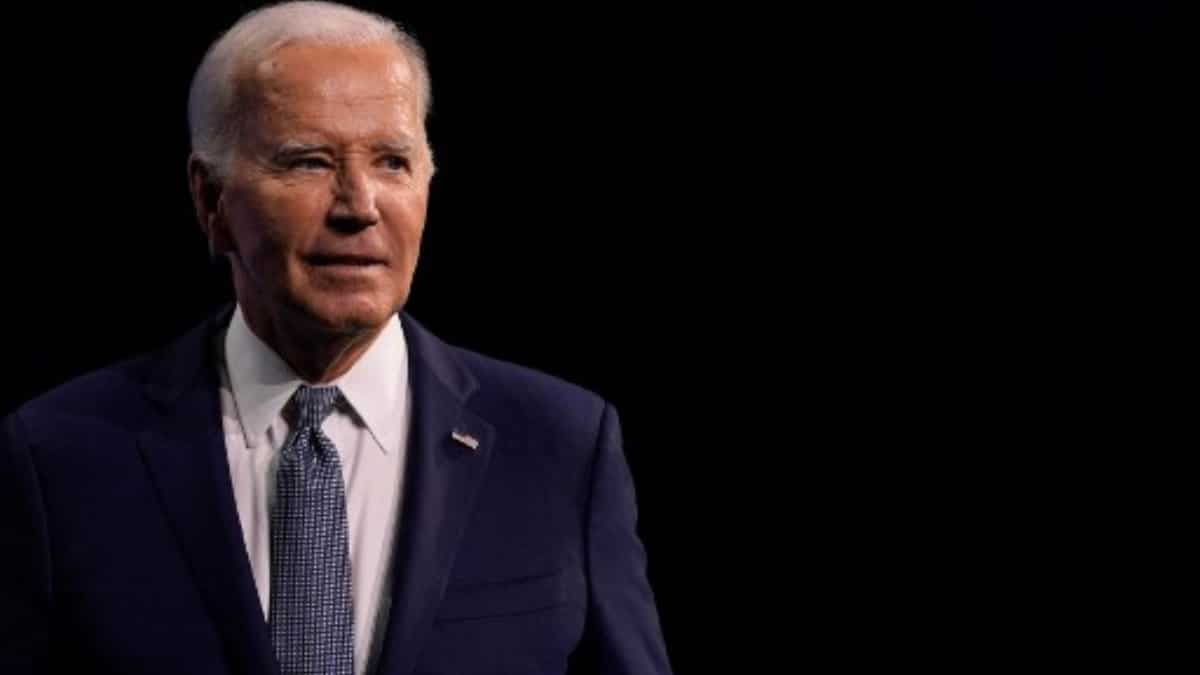
Joe Biden
The White House stated on Tuesday (Aug 20) that a classified nuclear strategic plan approved by President Joe Biden this year is not directed at any specific country or threat. This clarification followed a New York Times report claiming that the plan reoriented USdeterrence strategy to focus on China's expanding nuclear arsenal for the first time.
The US-based Arms Control Association said it understood U.S. nuclear weapons strategy and posture remained the same as described in the administration's 2022 Nuclear Posture Review, and there had been no reorientation away from Russia and toward China.
According to The New York Times, the White House has not publicly confirmed President Biden's approval of the revised nuclear strategy, known as the "Nuclear Employment Guidance." However, it's anticipated that a notification to Congress about the changes will be issued before Biden leaves office.
NYT said that in recent speeches, two senior administration officials were allowed to allude to the strategy revision. It said the strategy is updated every four years or so.
When asked about the report, White House spokesperson Sean Savett said, "Following the pattern set by the previous four administrations, this administration has issued a Nuclear Posture Review and a Nuclear Weapons Employment Planning Guidance.”
"While the specific text of the Guidance is classified, its existence is in no way secret. The Guidance issued earlier this year is not a response to any single entity, country, nor threat," he added.
“While US intelligence estimates suggest China may increase the size of its nuclear arsenal from 500 to 1,000 warheads by 2030, Russia currently has some 4,000 nuclear warheads "and it remains the major driver behind U.S. nuclear strategy,” said Daryl Kimball, executive director of the Arms Control Association.
Kimball referenced June remarks made by Pranay Vaddi, the White House Senior Director for Arms Control, Disarmament, and Nonproliferation, who was one of the officials mentioned in the New York Times report.
According to those remarks, the US strategy was to pursue nuclear arms restraints with China and Russia, but if China continued on its current trajectory and if Russia exceeds New START limits, the US at some point in the future may need to consider adjustments to the size and makeup of its nuclear force, Kimball said.
(With inputs from agencies)