US: Husband, wife plead guilty of laundering Bitcoins worth $4.5 billion after hacking exchange

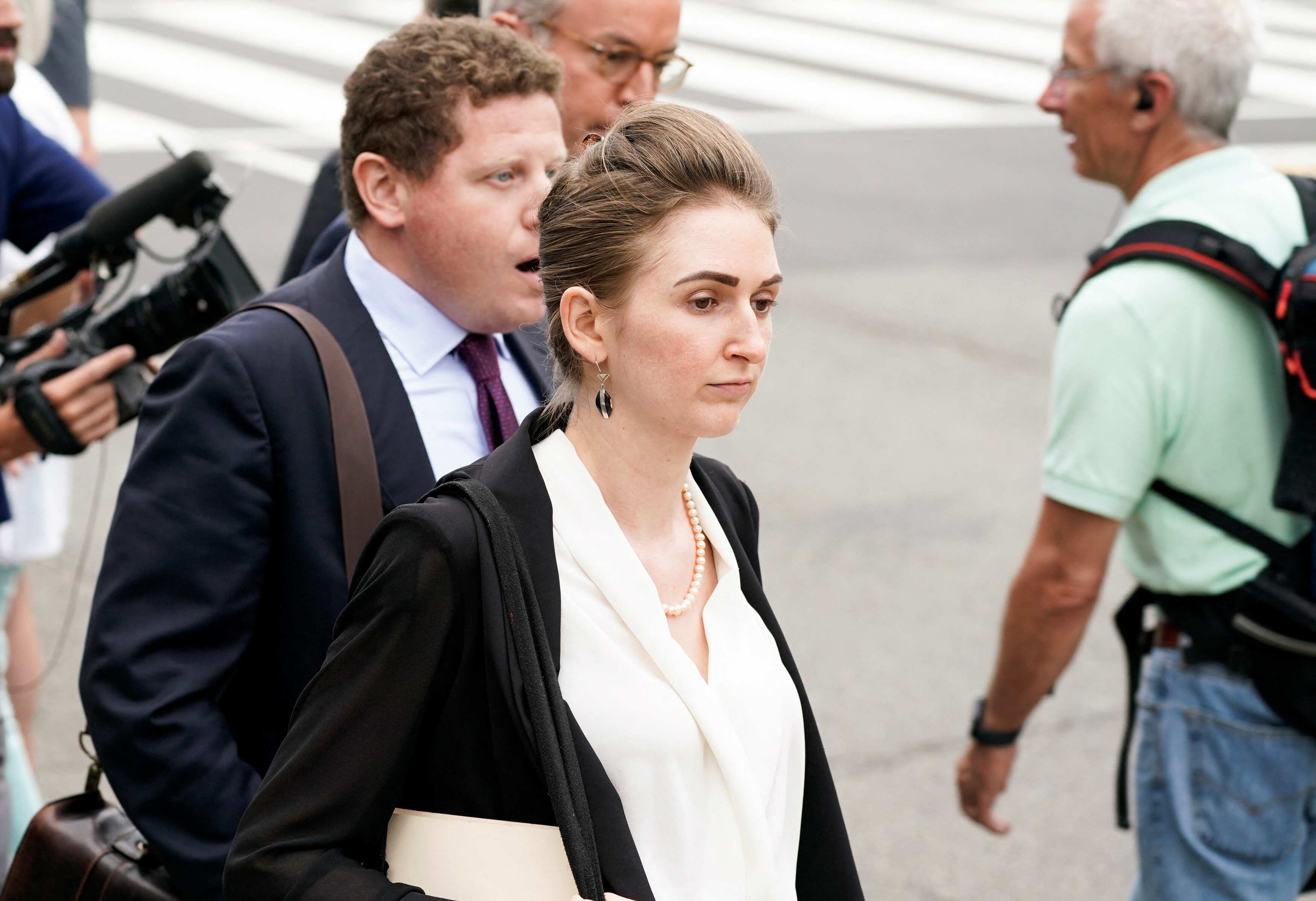
File photo.
A husband and wife cyber crime team in the United States on Thursday (August 3) pleaded guilty to trying to launder $4.5 billion of Bitcoin that they stole in a hack in 2016. In a hearing before US District Judge Colleen Kollar-Kotelly in Washington, Ilya Lichtenstein, 37, admitted to hacking the Bitfinex exchange and enlisting his wife Heather Morgan, 33, to help conceal some 119,754 stolen Bitcoins, the news agency Reuters reported.
The tokens were worth $71 million at the time of the hack but had appreciated to more than $4.5 billion at the time of their February 22 arrests in New York. According to Deputy Attorney General Lisa Monaco, the $3.6 billion in assets recovered was the biggest financial seizure in US Department of Justice history. Since then, the Department of Justice recovered $475 million more, and the couple in court on Thursday agreed to jointly forfeit $72 million.
Who is the couple?
Ilya Lichtenstein has studied psychology and describes himself in his LinkedIn profile as a technology entrepreneur. Heather Morgan, on the other hand, masqueraded as a rapper and tech entrepreneur. She went by the artist name "Razzlekhan."
On Thursday, prosecutor Christopher Brown said Lichtenstein had a long history of hacking, including as a juvenile, and had stolen funds from virtual currency exchanges before 2016.
After Lichtenstein hacked the exchange, Brown said that Morgan helped her husband set up accounts with fictitious identities to help hide proceeds.
"It was at my direction," Lichtenstein told the judge and acknowledged converting some funds to gold coins, which he gave to Morgan, who buried them in California. Law enforcement has since dug them up, a prosecutor said.
The suspicion
In a separate plea hearing, Morgan said Lichtenstein first told her that he hacked the Bitfinex exchange in 2020. However, the 33-year-old had long been suspicious that her husband's money came from an illicit source such as drugs or tax evasion.
Morgan said that she and Lichtenstein took several trips to Ukraine and Kazakhstan, which she thought were for tourism and generating business for a company they ran. However, she said that alarm bells went off when she saw Lichtenstein burning documents in a trash can during a Kazakhstan visit. When confronted, he was evasive, Morgan said in the plea hearing.
As per prosecutors, Lichtenstein used the trips to meet with "money mules" who converted cryptocurrency into government-issued currency and deposited it into Russian and Ukrainian banks. Lichtenstein and Morgan would then withdraw cash from the accounts in the US.
The sentencing dates have not been set yet, and both defendants have agreed to cooperate with the U.S. Attorney's office in Washington as part of a late July plea deal.
(With inputs from agencies)
WATCH WION LIVE HERE
You can now write for wionews.com and be a part of the community. Share your stories and opinions with us here.