&imwidth=800&imheight=600&format=webp&quality=medium "US deploys THAAD and patriot missile defence systems in Middle East amid rising Iran tensions")
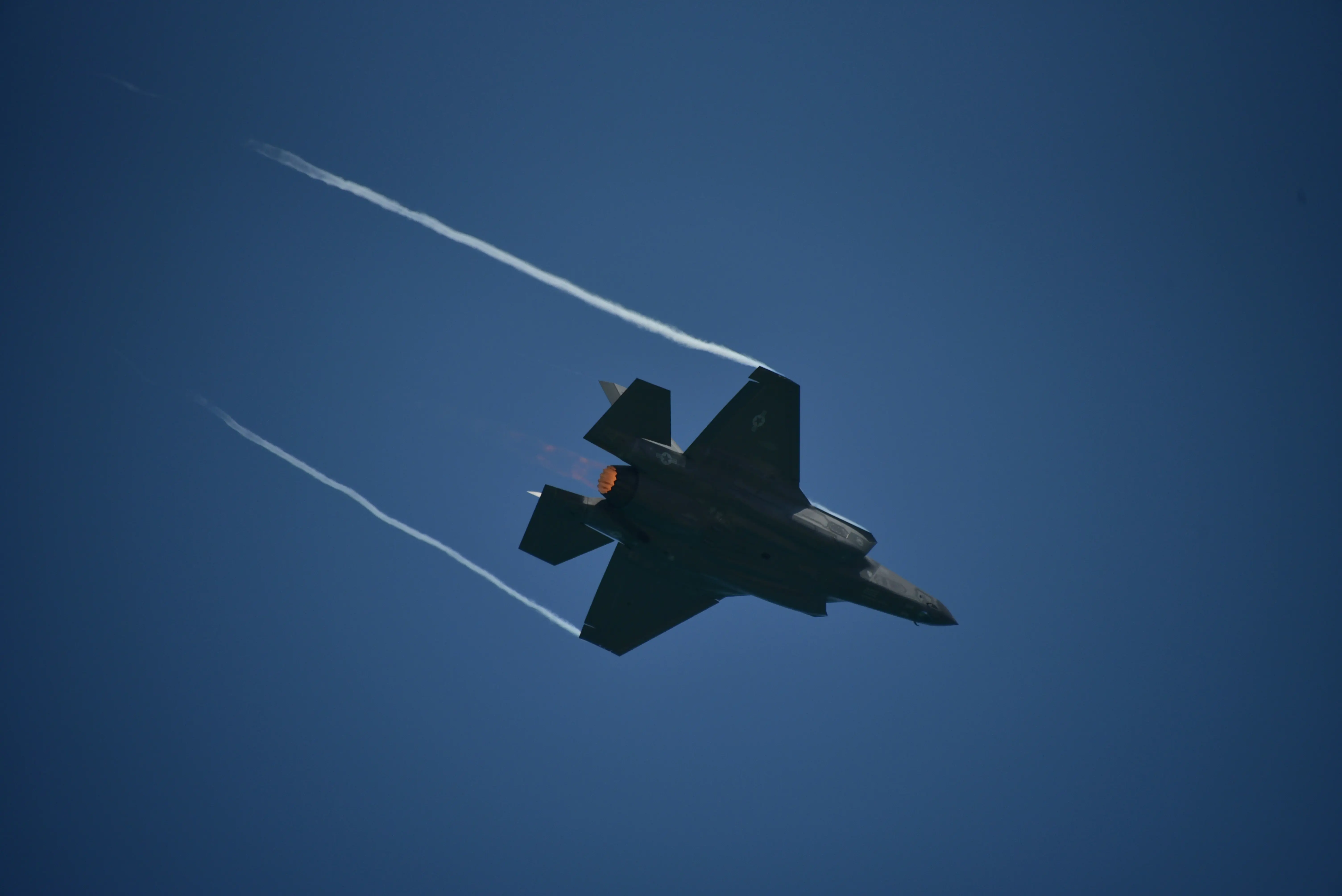
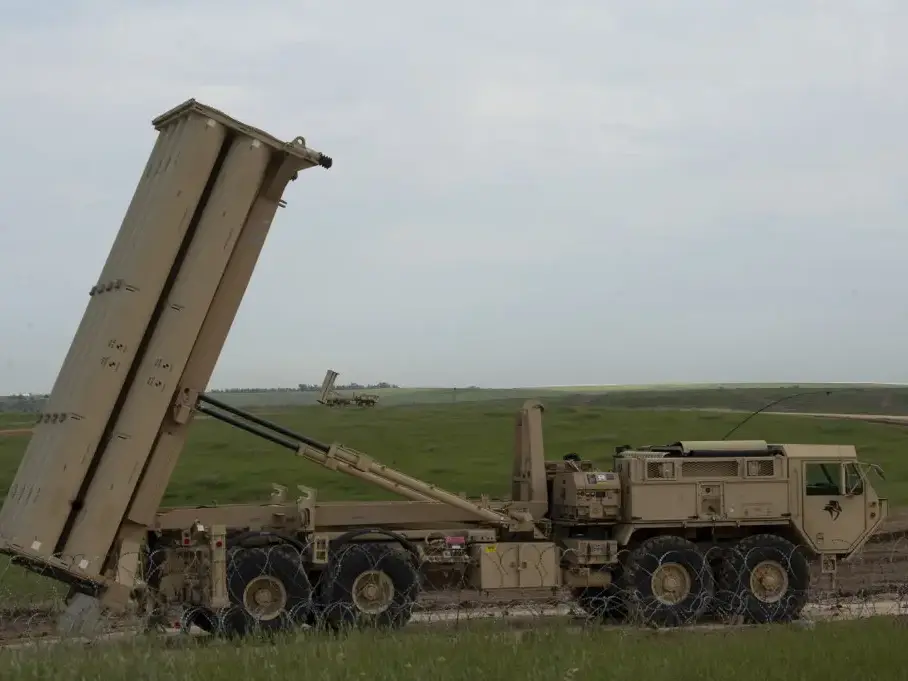
The US military has deployed THAAD (Terminal High Altitude Area Defence) batteries and Patriot Defence systems into the Middle East, as threats of conflict with Iran seem imminent. Iran has warned of retaliatory strikes against Israel and US military bases in the region. The development was reported by CNN, and the movement reflects a sharpened military posture and enhanced protection for the nodes in Kuwait, Saudi Arabia, and Qatar. However, the exact time of the deployment has not been made clear. This development is in parallel to the repositioning of USS Abraham Lincoln from the Strait of Malacca to the Gulf. Meanwhile, the US Air Force is planning to conduct a multi-day air exercise in the Middle East.
What is the THAAD?

The THAAD is a ground-based transportable air defence system capable of intercepting medium-intermediate range (150 to 200 kilometres) ballistic missiles inside or outside the upper atmosphere. The system is typically deployed with a battery, which includes 6 truck launchers, 48 interceptors and a fire control and communications component. The interceptors use a combination of advanced radar systems and interceptors. The THAAD uses the Army Navy/Transportable Radar Surveillance radar, or AN/TPY-2, which can detect missiles in two ways. In its forward-based mode, it is configured to acquire and track targets at ranges of up to 3,000 kilometres and in its terminal mode, it is aimed upward to acquire targets during their descent.
However, through a command control and a management system, THAAD can communicate with a range of US missile defences, including Aegis systems, commonly found aboard US Navy ships. It can be deployed within eight hours of arriving at its deployment site. Usually, it is carried using cargo aircraft like the C-17 and C-5.