US comes up with the radical idea of converting oil rigs into mobile missile bases to counter China

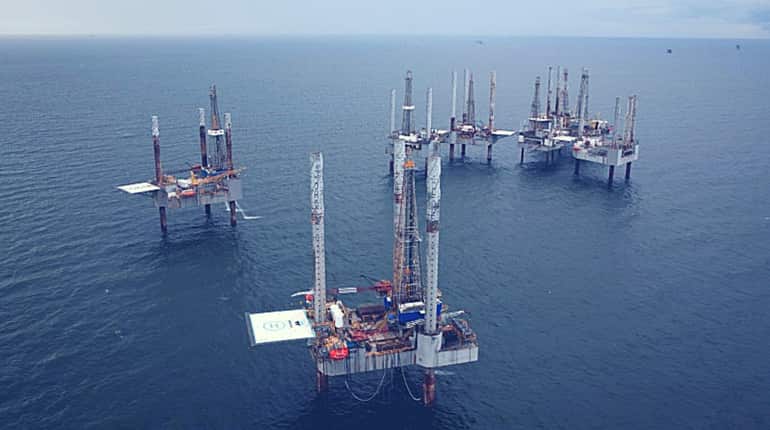
oil rigs
The US Navy has come up with a radical, cost-effective idea to keep up with the latest security challenges in the troubled waters of the Pacific region. According to media reports, the country is mulling over converting its surplus oil rigs into mobile missile defence and resupply bases.
Although their feasibility and effectiveness are doubted by some, experts believe this could emerge as a cost-effective idea to enhance the USA’s naval capabilities in the wake of increased security challenges from China.
The ambitious plan was unveiled at the Sea Air Space 2024 expo in Washington DC and is led by Gibbs & Cox, a Leidos company.
The idea
The plan, known as the Mobile Defence/Depot Platform (MODEP) concept, involved converting oil rigs into bases and then positioning them at strategic locations offshore.
These makeshift bases will be capable of operating on their own for a good 12 months.
These rigs would help the US Navy enhance air defence capabilities and aid strike missions.
These platforms would be able to hold up to 100 large missile launchers and up to 512 vertical launch systems (VLS).
Strategic game changer
US officials have hailed the concept as a strategic game changer, with Heruningtyas Desi Purnamasari, an official at the US Navy, saying that such bases would substantially reduce risks and costs associated with land-based defence systems.
As per estimates, the converted bases will only cost 10 per cent of the newly-built Ballistic Missile Defence (BMD) system.
Concerns
But not everyone has lauded the idea.
Some have warned that such bases could become vulnerable military targets. They also raise concerns that these could prove to be ineffective when compared to the conventional capabilities of these semi-permanent offshore military bases.
However, overall, the project looks ambitious and reflects a broader shift in military strategy as the US adapts to new geopolitical realities and technological advancements in warfare.
(With inputs from agencies)