US announces arrival of El Nino, triggering fear of extreme weather conditions

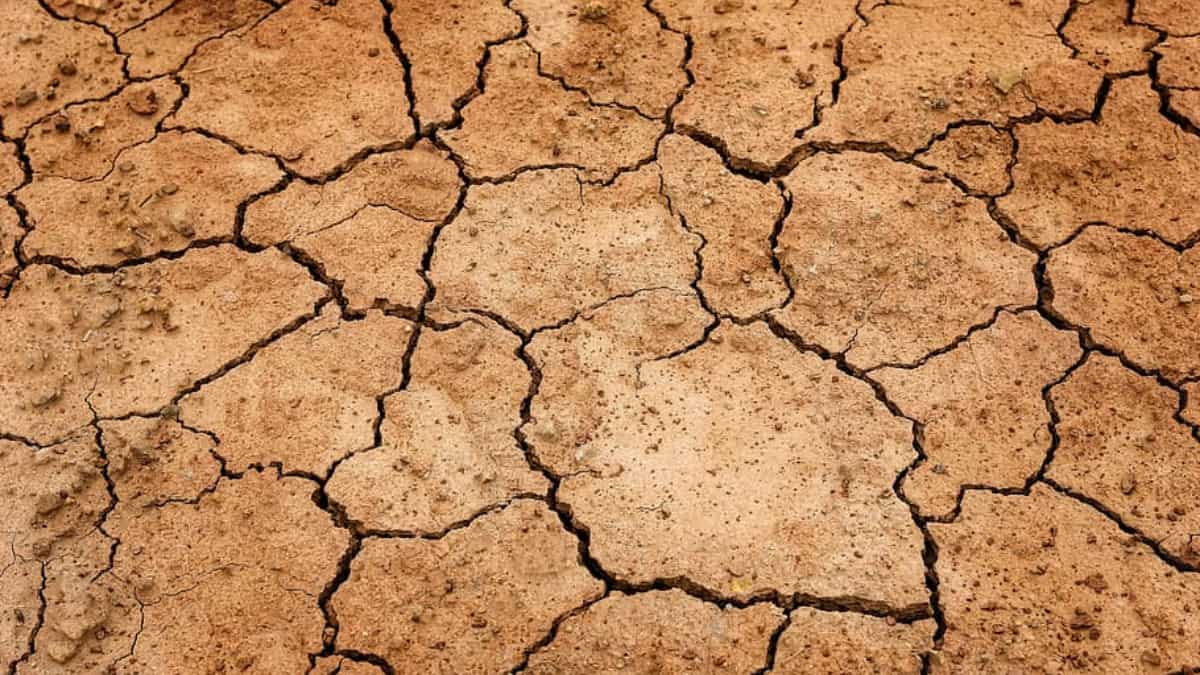
Dried land because of extreme heat.
The scientists working at US National Oceanic and Atmospheric Administration on Thursday announced the arrival of an expected El Nino climate phenomenon, increasing fears of extreme weather and temperature records.
This weather pattern which is marked by warmer-than-average sea surface temperatures in the eastern and central Pacific Ocean near the equator had last occurred in 2018-19. This phenomenon occurs every two-seven years on average.
"Depending on its strength, El Nino can cause a range of impacts, such as increasing the risk of heavy rainfall and droughts in certain locations around the world," stated NOAA climate scientist Michelle L'Heureux.
"Climate change can exacerbate or mitigate certain impacts related to El Nino. For example, El Nino could lead to new records for temperatures, particularly in areas that already experience above-average temperatures during El Nino," the scientist added.
Australia warns of El Nino
This week, Australia issued a warning that El Nino is likely to lead people to warmer and drier days in a country which is vulnerable to fierce bushfires.
Meanwhile, Japan held a developing El Nino partly responsible for its warmest spring on record. The influence of the phenomenon on the United States is weak during summer months but is more strong starting from late fall through spring, said NOAA, in its statement.
By the months of winter, an 84 per cent chance of the climate phenomenon developing "greater than moderate" has been estimated, and a 56 per cent chance is there of a strong El Nino.
This is likely to cause wetter than average conditions in the country's few parts, from southern California to the Gulf Coast. It is also expected to lead drier than average conditions in the Ohio Valley and Pacific Northwest.
WATCH |'Ukraine dam breach an environmental bomb' | WION Climate Tracker
Chances of warmer-than-average temperatures in the country's northern parts will also increasedue to the El Nino effect. NOAA had already factored the development of El Nino conditions in their hurricane predictions last month.
The climate phenomenon has a suppressive effect on hurricane activity going on in the Atlantic. However, it generally enhances hurricane activity in the central and eastern Pacific.
What leads toEl Nino?
El Nino, which means "Little Boy" in the Spanish language, is the El Nino–Southern Oscillation's warm phase. El Nino is a natural climate phenomenon bornout of waters in the eastern Pacific which are unusually warm.
It is formed when the trade winds, which were moving east-to-west parallelly to the equatorial Pacific, reverse or slow down due to a change in air pressure. However,scientists arenot very confident about what kicks off the cycle.
(With inputs from agencies)
You cannow write forwionews.comand be a part of the community. Share your stories and opinions with ushere.
WATCH WION LIVE HERE