Urgent global action needed to stop surge of polluting trash, UN warns

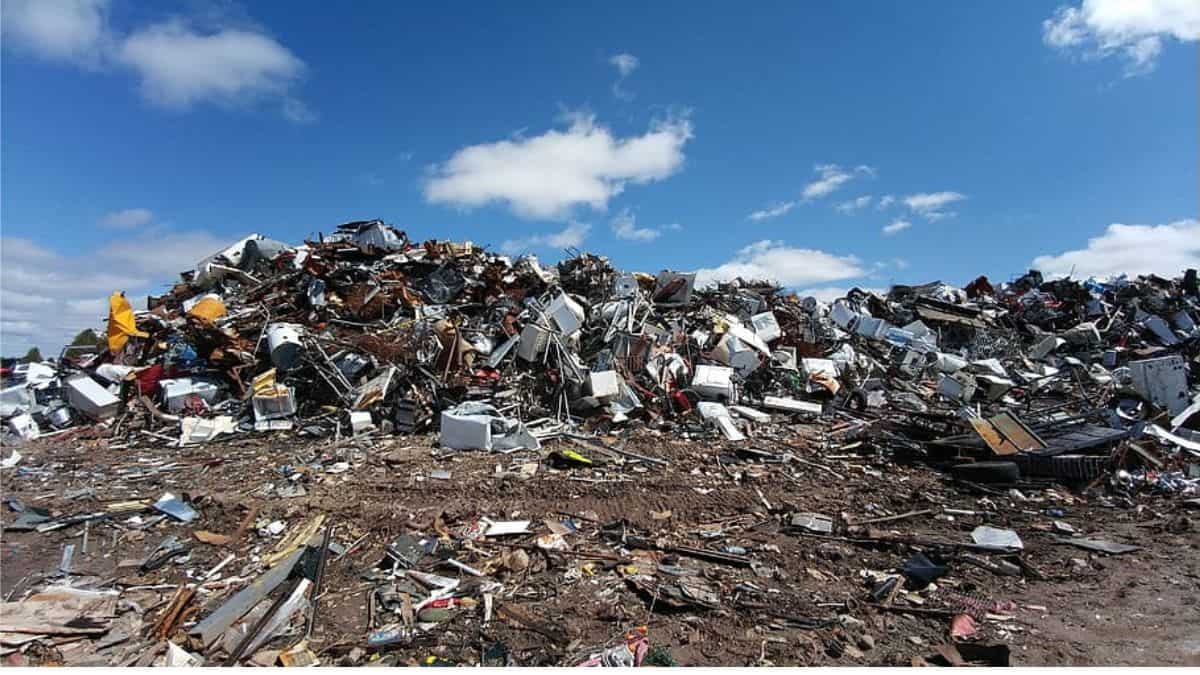
For representative use.
Last year, the global generation of municipal waste reached 2.3 billion tonnes and the United Nations cautioned on Wednesday (Feb 28) that this garbage heap is projected to increase by two-thirds by 2050, posing severe consequences for health, economies, and the environment.
According to recent research by the UN Environment Programme (UNEP), pollution is anticipated to surge, particularly in regions currently reliant on open dumping and burning, practices that release greenhouse gases and introduce toxic chemicals into soil, water, and air.
In the absence of prompt action, the waste volume is estimated to reach 3.8 billion tonnes by the mid-century, surpassing previous predictions.
The report also indicates that economic burdens will nearly double when factoring in hidden costs associated with inadequate waste disposal, encompassing pollution, health issues, and climate change. By 2050, these costs are expected to escalate to approximately $640 billion annually, up from around $361 billion in 2020.
Inger Andersen, UNEP's Executive Director, emphasised the intrinsic link between waste generation and GDP, noting that many rapidly growing economies are grappling with the challenges of swift waste expansion.
She expressed hope that the report could assist governments in their endeavours to build more sustainable societies and secure a habitable planet for future generations.
The joint report by UNEP and the International Solid Waste Association (ISWA), launched at the UN's Environment Assembly in Nairobi, serves as both a guide and a call to action.
Proposed solutions involve not only addressing waste disposal but also preventing the generation of rubbish in the first place. Enhanced disposal and treatment methods could reduce net annual costs to approximately $270 billion by 2050, according to the report.
Furthermore, a transition to a more circular economic model, decoupling increased prosperity from heightened waste, is advocated. This shift entails sustainable business practices and comprehensive trash management, potentially yielding a net gain of over $100 billion annually, as outlined in the report.
Also read:Ants worst affected by plasticwaste
Zoe Lenkiewicz, lead author of the report from UNEP, underscored the urgent need for a zero-waste approach to mitigate pollution, greenhouse gas emissions, and adverse impacts on human health.
(With inputs from agencies)