UK: Tories struggle after 14 years in power amid brewing dissatisfaction over ailing NHS

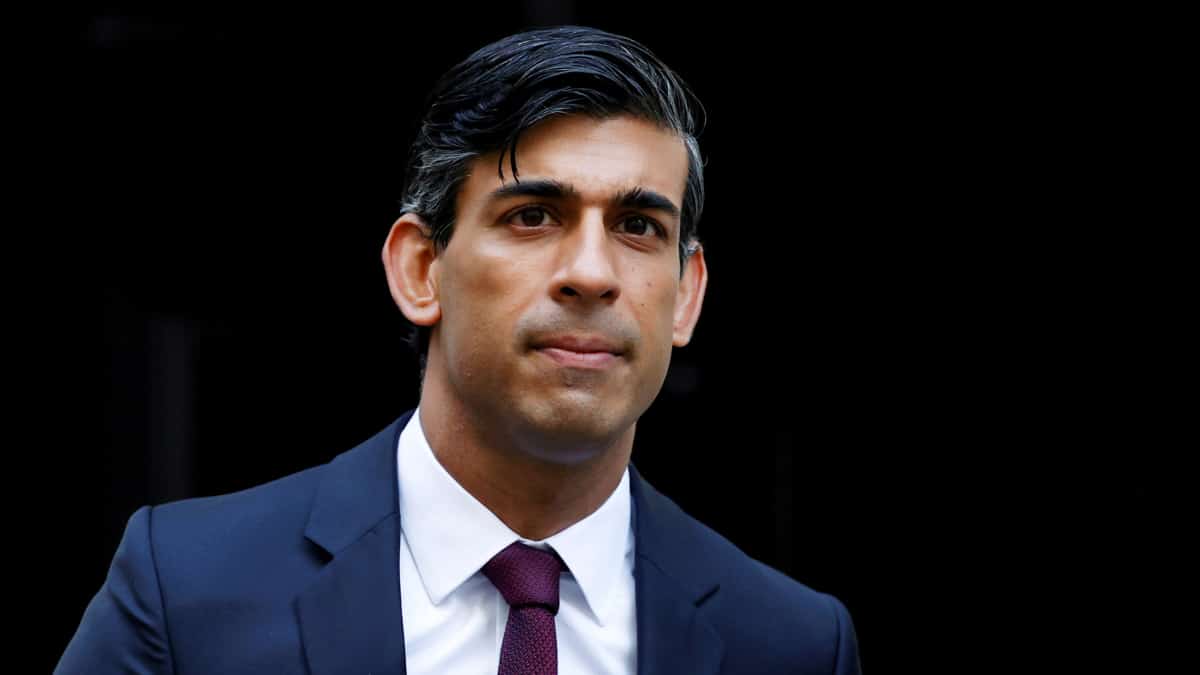
File image of United Kingdom's Prime Minister Rishi Sunak.
As the United Kingdom goes to polls on July 4, dissatisfaction and distressing experiences with the National Health Service (NHS) linger in voters’ minds.
From primary care appointments to elective surgery and cancer treatment, most people are waiting to access medical care, and for long periods.
After 14 years of Conservative Party-led government, the NHS waiting list for treatment referrals in England trebled to 7.6 million cases in April.
The figures paint a striking picture of UK public services in decline, with voters blaming the party for a litany of problems including sewage spills, the cost-of-living crisis, crime and more and more illegal migrants entering the country.
Also Read |France elections: High turnout seen as expats cast vote in snap polls; far-right eyes historic win
Voters’ frustration with Prime Minister Rishi Sunak’s party is reflected in opinion polls which show the Tories significantly trailing in the imminent parliamentary elections.
The ailing NHS
Creaking under the weight of an ageing and growing population, years of funding constraints, and fallout from the COVID-19 pandemic, the NHS is feeling the pinch at a time of ever-rising demands for its services.
In March, more than 7.54 million people in England were waiting for elective surgery such as cataract removals or hip replacements, 65 per cent more than before the pandemic.
More than 302,500 cases involved waits longer than 52 weeks. About 50,400 cases were waiting for more than 65 weeks, and nearly 5,000 involved waits of more than 78 weeks.
Watch |7 killed, 18 injured in bus accident in Pakistan's Karachi
Subsequently, people’s dissatisfaction with the NHS shot up to 52 per centlast year, 29 percentage points higher than in 2020, as per the annually conducted British Social Attitudes Survey.
Britons’ satisfaction with the availability of quality healthcare also registered a dramatic decline, plunging from 92 per cent in 2011 to 66 per cent last year, according to Gallup surveys.
Much of the blowout in waiting times has been blamed on chronic underinvestment, which stemmed from years of austerity implemented in the wake of the 2007-08 global financial crisis.
Since the Conservatives came to power in 2010, the U.K. budget has been buffeted by the global financial crisis, the COVID-19 pandemic, the war in Ukraine and inflation, all of which increased government expenditures, slowed economic growth and curtailed revenue.
Consequently, the healthcare budget grew by an average of only 2.8 per centannually over the past eight years, compared with 3.6 per centover the previous 50 years.
For citizens of the UK, the NHS plays a part in their lives. However, it is also the most glaring example of how the social contract in Britain is fraying.
Newspapers are filled with stories of people waiting weeks to get appointments with their family doctors, children being hospitalised for emergency tooth extractions because they weren’t able to get preventive dental care and patients who spend hours in the back of ambulances waiting for emergency room backups to clear.
All of that translates to the second-worst rates of mortality in the UK from avoidable causes among 19 rich nations, in part due to below-average investment that resulted in fewer beds, staff and scanners than peer countries, as per a report by The King’s Fund think tank published last year.
Furthermore, the NHS is facing staff retention problems attributed to meagre pay and poor conditions of the medical workforce, which saw a record 169,512 employees quit in 2022.
Can mounting dissatisfaction with the NHS impact Tory votes?
The Conservatives say that many of the pressures on the NHS are out of their control. They have promised to build 50 diagnostic hubs around the country and boost funding by more than inflation during each year of the next government.
Meanwhile, the Labour Party plans to tackle the backlogs by spending 1 billion pounds ($1.27 billion) to fund 40,000 more operations, scans and appointments each week, while pledging to train thousands of new general practitioners.
However, the NHS would need far more investment than promised by either of the two sides, warned The Health Foundation think tank last week, suggesting that it would require 38 billion pounds ($48 billion) more annually than planned to achieve the desired goals.
For months, Keir Starmer’s Labour Party has been leading the opinion polls by about 20 percentage points, portending a potential topple for the Tories.
“People’s lived experience of the NHS is very, very negative at the moment. However, they retain a great deal of faith in the NHS, and they want to elect a government that they think is going to rescue it,” said Tim Bale, a professor of politics at Queen Mary University of London.
According to The King’s Fund, the NHS needs to rethink the way it provides care, making better use of technology and focusing on keeping people healthy, rather than treating them once they get sick, to fix the healthcarecrisis.
(With inputs from agencies)