Turkey brushes aside fears of Uighur deportations to China

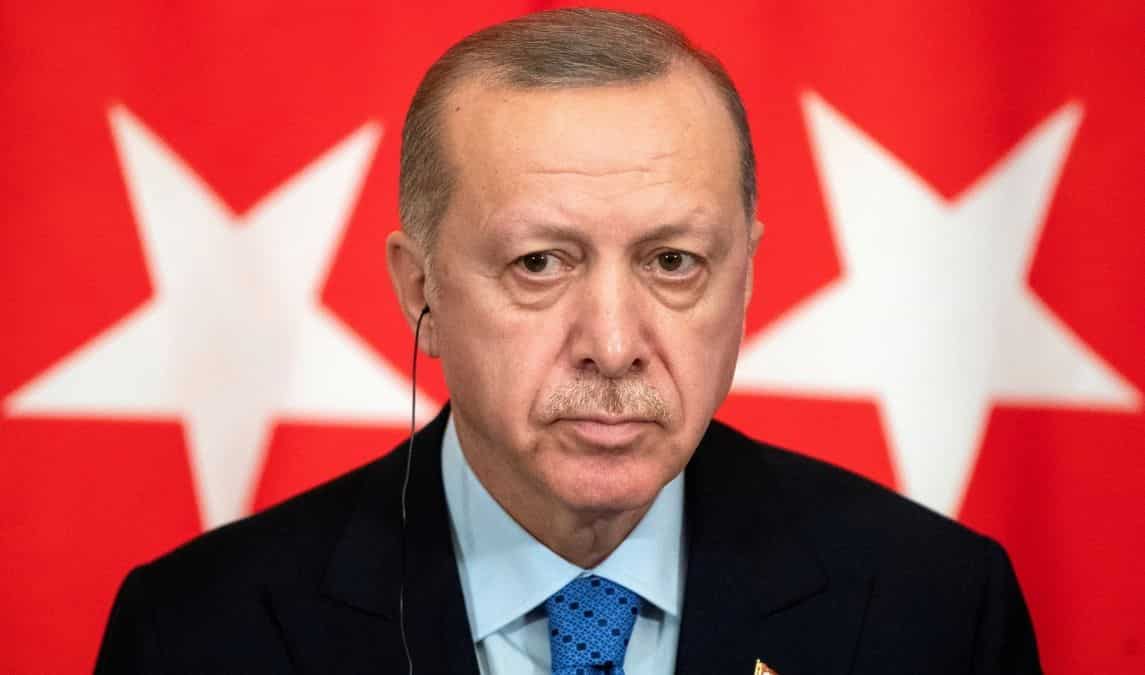
Turkish President Tayyip Erdogan
Turkey on Wednesday brushed aside fears that a new extradition treaty with China would result in Ankara deporting Muslim Uighurs en masse.
Earlier, Chinaannounced the ratification of an extradition treaty with Turkeythat human rights groups warn could endanger Uighur families and activists fleeing persecution by Chinese authorities if it is adopted by Ankara.
The treaty, first signed in 2017, was formalised on the weekend at the national people’s congress, with state media saying it would be utilised for counter-psychological warfare purposes.

Confronting solid resistance inside its parliament, Turkey's administration has not yet confirmed the arrangement, and critics have asked the public authority to desert it and keep the settlement from "turning into an instrument of oppression".
Turkey has linguistic and cultural ties with the Uighurs and Ankara has for quite some time been one of the primary safeguards of their motivation on the worldwide stage, however lately Turkey's public demonstration of help has faded.
&imwidth=180&imheight=135&format=webp&quality=medium)
Poland: 19-year-old stabs several at Polish vocational school
&imwidth=180&imheight=135&format=webp&quality=medium)
'Baseless and misconceived': India issues statement after Elon Musk's 'oligarchs' claim over Starlink delay
&imwidth=180&imheight=135&format=webp&quality=medium)
‘Team first and team ahead’: India coach Gambhir pens heartfelt wish for chief selector Ajit Agarkar
&imwidth=180&imheight=135&format=webp&quality=medium)
Trump's naked 23-karat gold statue unveiled near European Parliament
&imwidth=180&imheight=135&format=webp&quality=medium)
Nana Patekar: Remembering a legend of the Indian cinema
&imwidth=180&imheight=135&format=webp&quality=medium)
Russia warns Lithuania over nuclear weapons, Europe braces for massive hybrid attack | Gravitas
&imwidth=180&imheight=135&format=webp&quality=medium)
Captain Smit Machchhar on feet again, walks 10 steps as recovery continues after Flydubai flight attack
&imwidth=180&imheight=135&format=webp&quality=medium)
'They came in, they hit us': New videos show Iranian attacks on US Camp Buehring in Kuwait | Watch
&imwidth=180&imheight=135&format=webp&quality=medium)
Trump distances himself from senior political advisers over work for pro-Russian government
&imwidth=180&imheight=135&format=webp&quality=medium)
Narendra Modi Stadium bomb threat declared hoax; India & Australia U19 squads safe
&imwidth=180&imheight=135&format=webp&quality=medium)
US midterms 2026: Why the Latino vote could shape control of Congress
&imwidth=180&imheight=135&format=webp&quality=medium)
US Midterms 2026: Barack Obama hits campaign trail to boost Democratic candidates
&imwidth=180&imheight=135&format=webp&quality=medium)
Shia LaBeouf and Mia Goth head for divorce after nearly 10 years
&imwidth=180&imheight=135&format=webp&quality=medium)
Nicolas Maduro, wife likely to face new charges over alleged torture of US citizens: Report
&imwidth=180&imheight=135&format=webp&quality=medium)
Texas man executed by lethal injection; first US execution since botched Christa Pike execution
&imwidth=180&imheight=135&format=webp&quality=medium)
Jon Rahm quits LIV Golf as breakaway tour attempts to relaunch itself
&imwidth=180&imheight=135&format=webp&quality=medium)
Christa Pike wakes after failed execution, asks 'Where am I and who are you?'
&imwidth=180&imheight=135&format=webp&quality=medium)
Christa Pike 'angry' and 'confused' after failed execution; judge orders to preserve evidence
&imwidth=180&imheight=135&format=webp&quality=medium)
Nigerian President Bola Ahmed Tinubu hails Modi’s 25-year leadership milestone, calls for deeper Nigeria-India strategic ties
&im=FitAndFill=(700,400)&imwidth=180&imheight=135&format=webp&quality=medium)
US midterms 2026: 10 leaders and candidates to watch in the battle for Congress
&imwidth=180&imheight=135&format=webp&quality=medium)
Africans knew how to build 20-storey skyscrapers 2,800 years ago
&imwidth=180&imheight=135&format=webp&quality=medium)
Nana Patekar's #MeToo controversy: From Tanushree Dutta’s allegations to court ruling
&imwidth=180&imheight=135&format=webp&quality=medium)
Veteran actor Nana Patekar dies at 75 after suffering cardiac arrest
&imwidth=180&imheight=135&format=webp&quality=medium)
Musk alleges ‘oligarchs’ blocking Starlink in India, here is what we know so far
&imwidth=180&imheight=135&format=webp&quality=medium)
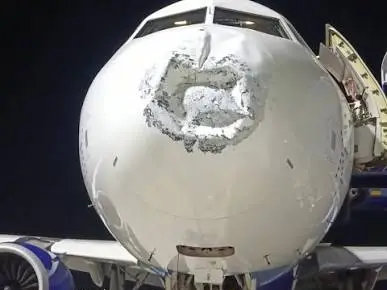
Lightning strikes IndiGo Patna-Lucknow flight at 17,000 feet, damages nose; all 110 safe
&imwidth=180&imheight=135&format=webp&quality=medium)
Mall of America attack: FBI arrests man over alleged ISIS-inspired mass shooting plot with AK-47 and 200 rounds
&imwidth=180&imheight=135&format=webp&quality=medium)
'I should win it': Trump renews Nobel Peace Prize claim ahead of 2026 announcement
&imwidth=180&imheight=135&format=webp&quality=medium)
IndiGo flight struck by lightning at 17,000 feet, nose of Patna-Lucknow flight damaged
&imwidth=180&imheight=135&format=webp&quality=medium)
US readying to strike Iran? Report suggests Trump preparing to put on show of strength ahead of US midterms
&im=FitAndFill=(700,400)&imwidth=180&imheight=135&format=webp&quality=medium)
World’s top vehicle producers: Top 10 countries making the most cars. Check where India stands
&imwidth=180&imheight=135&format=webp&quality=medium)
Trump to honour Elon Musk, Sergey Brin and Jensen Huang with top science honour at White House. Check the full list here
&imwidth=180&imheight=135&format=webp&quality=medium)
'We don't think so': Trump says Russian plague lab worker's death not linked to bio-weapon
&imwidth=180&imheight=135&format=webp&quality=medium)
France protests: How a Gen Z school movement turned into a political war | The Verdict
About 20 Uighurs with Turkish citizenship picketed China's consulate in Istanbul after the Chinese parliament ratified the 2017 treaty on Saturday.
Ankara has not yet ratified the agreement, but its approval in Beijing has put Turkey's estimated 50,000-strong Uighur community on edge.
Foreign Minister Mevlut Cavusoglu did not say when Turkey's parliament might debate the agreement. However,its approval would not mean "Turkey will release Uighurs to China".
"Until now, there have been requests for returns from China related to Uighurs in Turkey. And you know Turkey hasn't taken steps like this," Cavusoglu told reporters in Ankara.
It would be "wrong and unfair to say it's a deal for the extradition of Uighurs. We are more sensitive to such issues than others," he said.
Uighurs speak a Turkic language and have cultural ties with Turkey that make it a favoured destination for avoiding persecution in China's northwestern region of Xinjiang. But news reports have accused Turkey of covertly returning Uighurs to China via third countries.
Rights activists say Xinjiang is home to a vast network of extrajudicial internment camps that have imprisoned at least one million people.
China says these are vocational training centres to counter extremism.
Ethnic Uighurs rallied for the ninth day running Wednesday to express their fears about the extradition treaty.
"God willing, we hope our state will not approve such a thing," said Omer Farah, a Uighur with Turkish citizenship who said his children are detained in China.
"But if it does, we are really worried. Because for China, all 50,000 Uighurs who live here are criminals."