Trump says pro-Palestinian campus protester ‘first arrest of many to come’

World: US college campuses, including Columbia, saw widespread student protests condemning Israel's actions in Gaza after the October 7, 2023, Hamas attack. These protests sparked controversy and accusations of anti-Semitism.
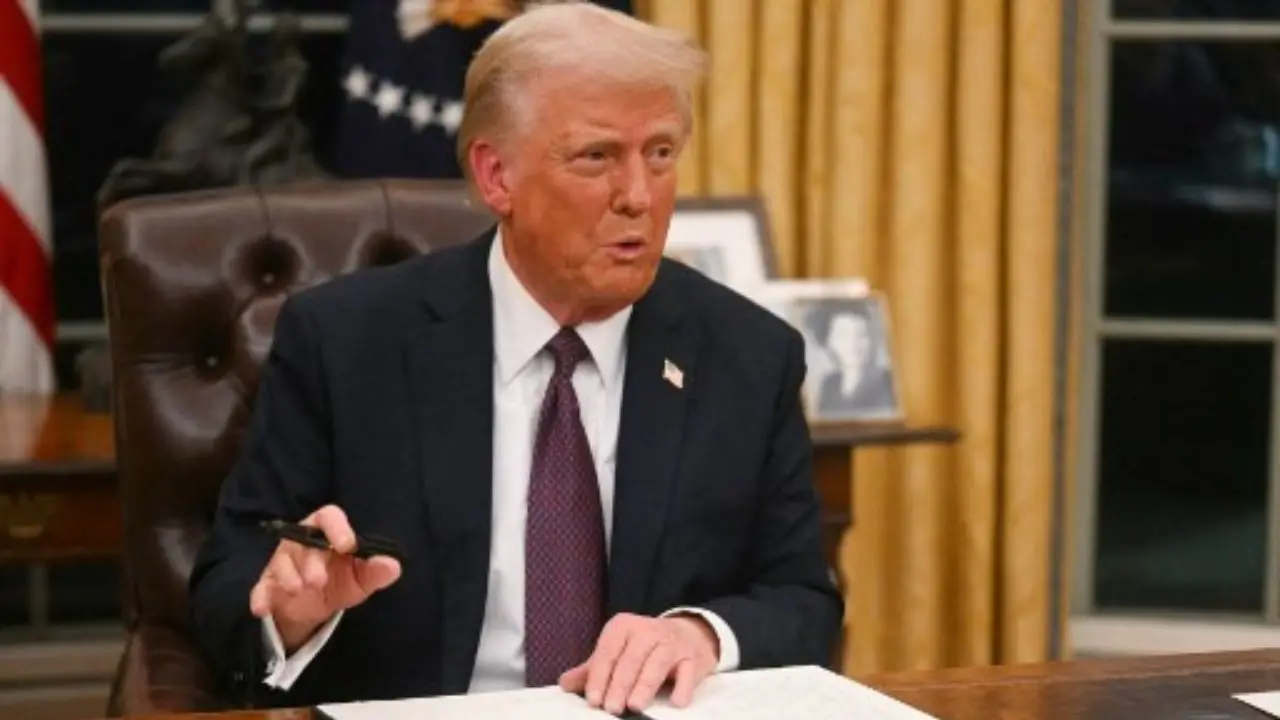
US President Donald Trump, on Monday (Mar 10), said that the arrest of the leader of pro-Palestinian protests at Columbia University in New York is "the first arrest of many to come."
Mahmoud Khalil, a prominent figure in Columbia University's protest movement against Israel's actions in Gaza that erupted in 2024, was detained by immigration officials over the weekend.
"We know there are more students at Columbia and other Universities across the Country who have engaged in pro-terrorist, anti-Semitic, anti-American activity, and the Trump Administration will not tolerate it," Trump wrote on his Truth Social platform.
The Department of Homeland Security said that the move was "in support of President Trump's executive orders prohibiting anti-Semitism, and in coordination with the Department of State."
Khalil, a Columbia graduate, held a permanent residency green card at the time he was arrested, said the Student Workers of Columbia union.
The US president, in his post, had threatened further action against other campus protesters.
'Will apprehend, deport terrorist sympathisers'
He alleged that some of the demonstrators were "paid agitators."
"Many are not students, they are paid agitators. We will find, apprehend, and deport these terrorist sympathisers from our country — never to return again," he wrote.
"If you support terrorism, including the slaughtering of innocent men, women, and children, your presence is contrary to our national and foreign policy interests, and you are not welcome here. We expect every one of America’s Colleges and Universities to comply," he added.
US college campuses, including Columbia, saw widespread student protests condemning Israel's actions in Gaza after the October 7, 2023, Hamas attack. These protests sparked controversy and accusations of anti-Semitism.
Protests on campus turned heated, with some escalating into violence, building occupations, and lecture disruptions. The demonstrations drew a sharp divide between students protesting Israel's actions and pro-Israel advocates, including many Jewish students.
(With inputs from agencies)