Trump proposes to scrap H-1B lottery system, proposes visa process favouring better-paid workers

&imwidth=600&imheight=450&format=webp&quality=medium "Trump proposes to scrap H-1B lottery system, proposes visa process favouring better-paid workers")
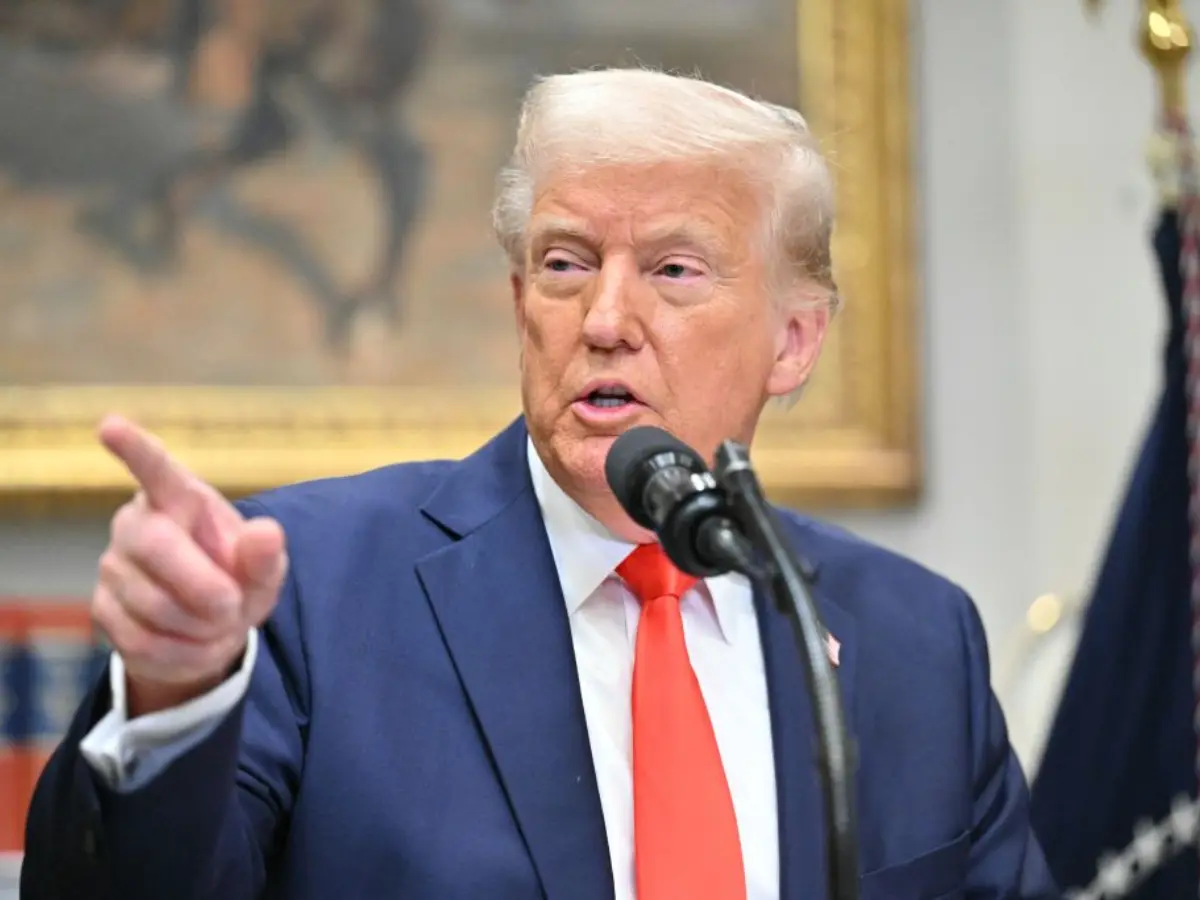
US President Donald Trump Photograph: (AFP)
The Trump administration proposed a new H-1B visa rule prioritizing higher-paid, skilled workers and introduced a $100,000 fee for new visas. The wage-based selection may begin in 2026. Critics fear job loss for small firms, while supporters say it fills talent gaps.
The Trump administration proposed on Tuesday (Sep 23) that it would rework the H-1B visa selection process to favour higher-skilled and better-paid workers ad scrap the existing lottery system. According to a related Federal Register notice, this move follows a White House proclamation on Friday introducing a $100,000 fee for the visas. The proposed policy is not finalised yet. The notice said that the US administration would give heavier weight to applications by employers who pay high wages if annual requests for the visas exceed the statutory limit of 85,000. It justified the move stating that it is essential to protect Americans from unfair wage competition from foreign workers.
Trump launched a wide-ranging immigration crackdown after taking office in January, including a push for mass deportations and trying to block citizenship for children of immigrants in the US illegally. In recent days, his administration intensified its focus on the H-1B program. The Trump administration said on Friday it would ask companies to pay $100,000 per year for H-1B visas. Some big tech companies warned visa holders to stay in the US or quickly return, sparking a chaotic scramble to get back to the US. The White House later clarified that the fee would apply only to new visas. According to the Department of Homeland Security, changes would significantly increase wages paid to H-1B workers—rising from $502 million in fiscal 2026 to $2 billion annually between 2029 and 2035. However, around 5,200 small businesses could face major disruptions due to workforce shortages.
The H-1B program, which provides 65,000 standard visas and 20,000 additional ones for advanced degree holders, is critical for companies needing highly skilled talent. While supporters say it fills essential labor gaps and keeps the U.S. competitive, critics argue it depresses wages and displaces American workers. India remains the top recipient of H-1B visas, followed by China.
After taking office, President Donald Trump launched a broad immigration crackdown, which included aggressive deportation efforts and attempts to deny citizenship to children born in the US to undocumented immigrants. Trump attempted reforms on H-1B visa during his presidency but faced legal challenges and time constraints. A comparable rule from his term was postponed by President Biden and ultimately blocked by a federal court before being withdrawn altogether.

