
&imwidth=800&imheight=600&format=webp&quality=medium "Top Democrat accuses Trump of sacrificing US-India ties for Nobel Peace Prize; alleges financial links to Pakistan via son")
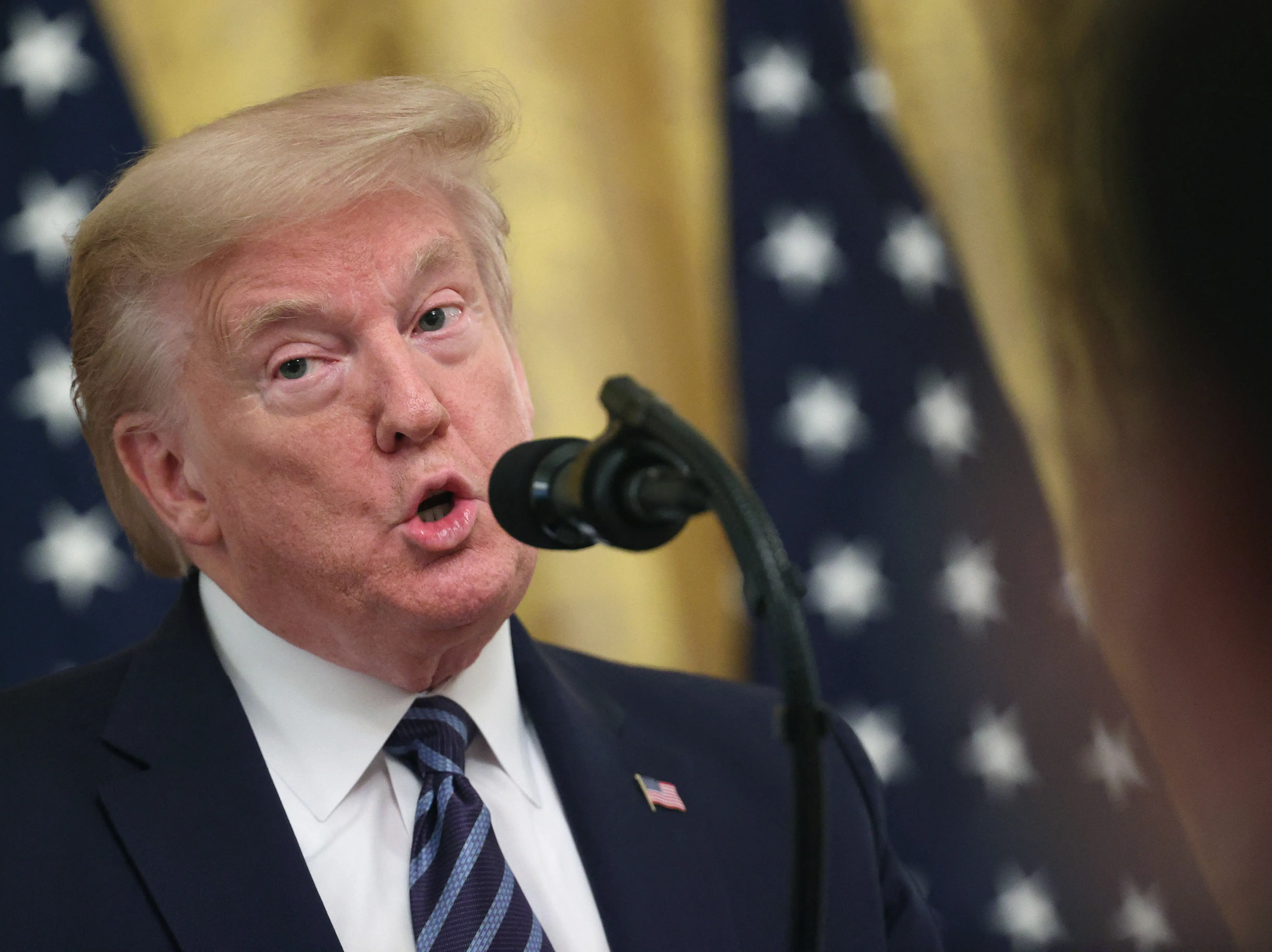
Rahm Emanuel, a leading Democratic figure, has criticised US President Donald Trump for undermining decades of careful US-India strategic planning, blaming it on Trump's desire to secure a Nobel Peace Prize. Emanuel, a former senior advisor to Barack Obama and ex-ambassador to Japan, said Donald Trump's ego led him to disrupt vital diplomatic efforts. He pointed out that Trump’s focus on securing a Nobel Prize overshadowed long-term US interests with India, especially when Trump demanded that Indian Prime Minister Narendra Modi publicly praise him for the ceasefire deal between India and Pakistan.
He said, “He threw it all away because Modi would not say that the President deserves a Nobel Peace Prize for the ceasefire (with Pakistan).” While India asserts the ceasefire decision was made independently following a request from the Pakistani army, Trump has repeatedly claimed he forced India and Pakistan into compliance through threats of severe tariffs.
Also Read: Why Candace Owens failed Australia’s ‘Character Test’ and lost her visa appeal. Know all about it

Rahm Emanuel argued that, under Trump, the US lost an opportunity to leverage India as a counterbalance to China in key sectors, including manufacturing, technology, and defense. He emphasised that Trump’s actions essentially disregarded 40 years of bipartisan efforts to strengthen US-India relations.
Further, Rahm Emanuel raised concerns about Trump's ties to Pakistan, accusing Donald Trump of compromising US interests due to financial gains from Pakistani dealings. He specifically mentioned Trump’s sons, Donald Jr. and Eric, as well as Jared Kushner, who reportedly had financial interests connected to a Pakistani firm linked to cryptocurrency transactions. Emanuel suggested that Trump’s actions were motivated both by his ego and these financial entanglements. Emanuel’s criticism highlights broader concerns over Trump’s foreign policy decisions and their long-term impact on US alliances and strategic interests.

