Ticking time bomb: UN to start salvage work on Yemeni tanker on brink of spilling massive crude in Red Sea

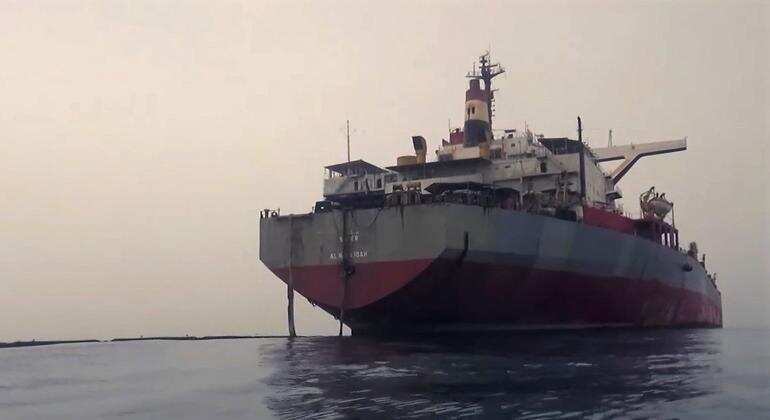
Decaying oil tanker stranded off Yemen's coast
The United Nations on Tuesday said it was ready to start salvage work on an oil tanker standing abandoned off Yemen’s coast at the rebel-held port of Hodeida, holding 1.1 million barrels of crude. It has been speculated that the tanker is in miserable shape, and can explode or catch fire at any time, thus posing a tremendous risk to the local maritime environment.
The tanker has not been serviced since the civil war broke out in Yemen in 2015. As per media reports, the UN has purchased a super-tanker to help pump out oil from the stranded tanker and defuse 'the ticking time bomb.'
When will the crude oil be pumped out?
According to UN sources, the oil will be completely pumped out from the stranded tanker by a company called SMIT Salvage. The process, which will cost the UN $148 million, is expected to start within the next 10 days to two weeks. The oil will be shifted to the UN-owned tanker Nautica, and then the empty stranded ship will be towed away to a safe location.
David Gressly, the UN coordinator for Yemen, said in a statement, “We're very happy to be on site where we can start the work."
Preparatory work to start on Wednesday
The salvage process will be done with the assistance of an SMIT support vessel called the NDeavour, which arrived at the site on Tuesday. Achim Steiner, head of the UN Development Programme, which is in charge of the salvage operation, said, “With the arrival of the Ndeavour next to the FSO in the Red Sea, we truly have reached a critical milestone."
"If all goes according to plan, somewhere in late June, early July, we might be in a position to say that that critical phase of the ship-to-ship transfer could be completed," he added.
Stranded ship in Yemen: A ticking time bomb?
If the stranded oil tanker breaks apart before the crude stored inside is completely pumped out, a massive spilling crisis may follow, triggering an environmental emergency in the region. Oil spills can cause extensive damage to marine ecosystems. The oil coats the water's surface, affecting marine plants, animals, and birds. The oil can suffocate fish and other aquatic organisms by clogging their gills, hinder the ability of birds to fly by weighing down their feathers and disrupt the delicate balance of marine food chains.
WATCH WION LIVE HERE