The semiconductor wars: China restricts exports of raw materials critical to chip production

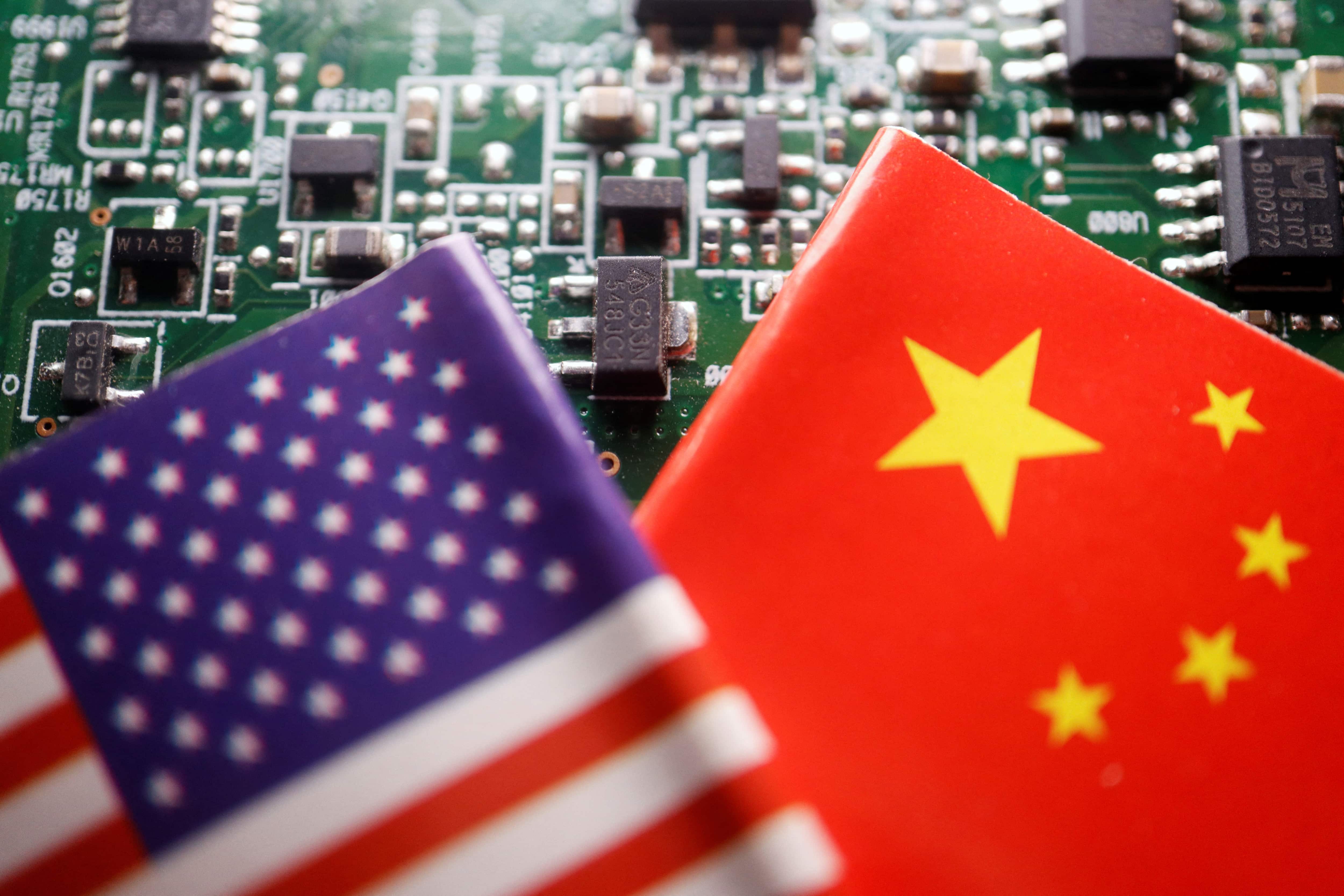
US-China chip war
The chip warbetween the US and China has taken a sensational new turn after the latter imposed export controls on two rare elements essential for the manufacturing of semiconductors.
Starting August 1, exports of gallium and germanium, among several other industrial compounds will be subject to restrictions, Beijing announced on Monday, in order to“safeguard national security and interests”.
China’s Ministry of Commerce and Administration of Customs took the decision, laying it out that the exporters will have to seek special approval from the State Council, China's cabinet, for the listed items.
Both germanium and gallium are byproducts fromprocessing other commodities such as coal and bauxite, the base for aluminium production. According to the US Geological Survey, China is theworld’s biggest gallium producer and a leading global producer and exporter of germanium.
Although not difficult or rare to find, China provided the metals for cheap. However, the restrictions mean that prices will rise as production is drawn from elsewhere.
At a time when nations around the globe are working to restore supply chains, especially concerning semiconductors required in most modern technological items, the decision by the Politburo could have serious ramifications, according to experts.
China doubles down
The move comes a few weeks after China's cyberspace regulator, in aprecedent-breaking move, banned Micron — the biggest US memory chipmaker, claiming that theUS-based company hadfailed its network security review.
Micron became the first Americanchipmaker to be targeted by China following a series of export controls by the US on certain American components and chipmaking tools to block them from being used to advance China's military capabilities.
Moreover, the decision to impose the curbs comes a dayafterUS Treasury Secretary Janet Yellen's decision to visit Beijing was made public.
“While in Beijing, Secretary Yellen will discuss with [People’s Republic of China] officials the importance for our countries – as the world’s two largest economies – to responsibly manage our relationship, communicate directly about areas of concern and work together to address global challenges,” the Treasury Department said on Sunday.
Why the restrictions?
The chip wars between the two nations began under the tenure of former president Donald Trump when his administrationbanned suppliers from selling chips made using US technology to tech giant Huawei without a special license.
For years, the US led the technology battle with China. However, the tips have recently scaled in Beijing's favour. According to a study presented by Special Competitive Studies Project (SCSP), the US could lose the tech competition to China if it does not take action on the 5G, AI, and microchip core fronts.
The report added that the tech race would be going through its critical phase in the 2025-2030 period. During this window, Beijing might be able to edge out the USA if the current trend continues.
(With inputs from agencies)
WATCH WION LIVE HERE: