'Teflon flu' cases in US, here's what you should know about polymer fume fever

Frying pan
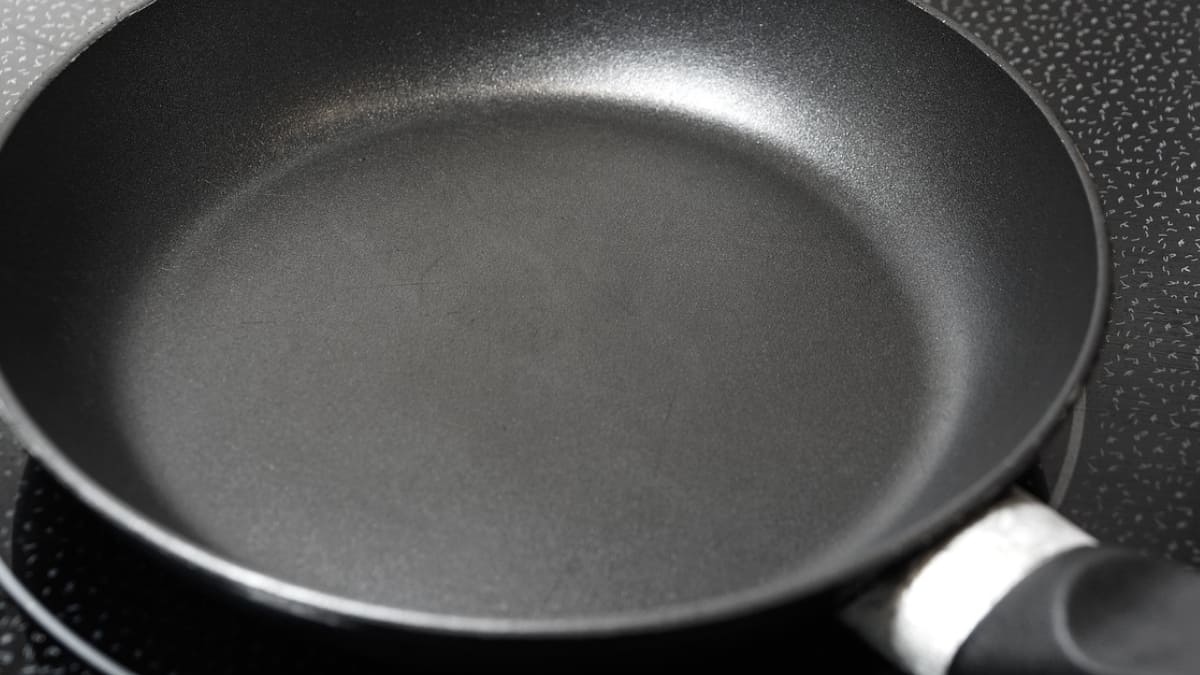
In the United States, there has been a rise in cases of polymer fume fever, which is also known as "Teflon flu". The surge has put a spotlight on nonstick pans, which are seen in almost all households. The use of nonstick pans is said to be one of the most common causes of the condition. Chest tightness, coughing, difficulty breathing, and headaches are some of the symptoms of polymer fume fever.
Citing America's Poison Centers, a nonprofit organisation that oversees 55 US poison centres, The Washington Post reported that there were 267 suspected cases of the flu and it is believed to be one of the highest reported totals since 2000.
The centres said that there have been more than 3,600 reports of suspected cases of polymer fume fever over the past two decades.
The use of frying pans is not to be blamed for all the cases, as many cases involved occupational exposure, according to the Centers. Still, experts have weighed in on the use of Teflon, which is a brand name for a synthetic chemical called polytetrafluoroethylene (PTFE).
PTFE belongs to the larger class of substances known as PFAS (per- and polyfluoroalkyl substances), or "forever chemicals" as they are able to persist in the environment for years.
US-based media reports mentioned that the condition is caused by overheating pans coated with polytetrafluoroethylene, which releases fumes into the air and inhaling those fumes can lead to flu-like symptoms.
Studies have said that nonstick cookware, comprised of PTFE, is safe to use as long as it is used according to directions. However, when a nonstick pan is subjected to temperatures above 500 degrees Fahrenheit, the coating may begin to deteriorate and release potentially hazardous gases.
As quoted by ABC News, Dr Darien Sutton, who is an emergency medicine physician, said the symptoms tend to go away within two to three days, but the long-term effects of the condition remain unknown.
Sutton said on the show "Good Morning America" that "we don't yet know the long-term effects, but we do know that these chemicals, these PFAS, are associated with health conditions like thyroid abnormalities, certain cancers, like kidney cancer, as well as certain problems with infertility. So it's important to be safe with these products".
Watch:Sri Lanka apologises for forcing cremations of Muslim Covid victims
ICMR on cooking food in non-stick cookware
The Indian Council of Medical Research (ICMR), the apex body for biomedical research in India, recently issued guidelines about cooking using non-stick cookware, raising concerns, especially over pans coated with Teflon.
ICMR's guidelines highlighted how crucial it is to properly observe usage and cleaning instructions in order to avoid exposure to contaminants. It's obvious when a pan's Teflon coating starts to wear off and should be thrown away.
ICMR recommendations
Use low to medium heat
Don't preheat empty pans
Use wooden or silicone utensils
Replace worn-out pans
ICMR also mentioned some alternatives to non-stick cookware, which included stainless steel, cast iron and ceramic cookware.
(With inputs from agencies)