Sri Lanka set for snap polls on November 14: Here's how parliament is elected


Sri Lanka President Anura Kumara Dissanayake
Sri Lanka is set to vote in a snap general election on Thursday (Nov 14) called by its Marxist-leaning President Anura Kumara Dissanayake to seek a fresh mandate to back his policies in the debt-ridden island nation.
Dissanayake was elected as the president in September, however, his National People's Power (NPP) coalition gained only three of 225 seats in the parliament.
It prompted him to dissolve the legislature and seek a fresh mandate to continue his economic reforms.

Millions of voters in the economically-crippled nation have put their faith in Dissanayake's graft-fighting pledge and vowed to strengthen the economy.
"In past elections, people did not have confidence in us but in September people gave us victory and proved that we are a winning party and we can form a government," the incumbent president said during a campaign rally on Sunday.
"The next task is to unite people from the four corners of this country and build a powerful people's movement."
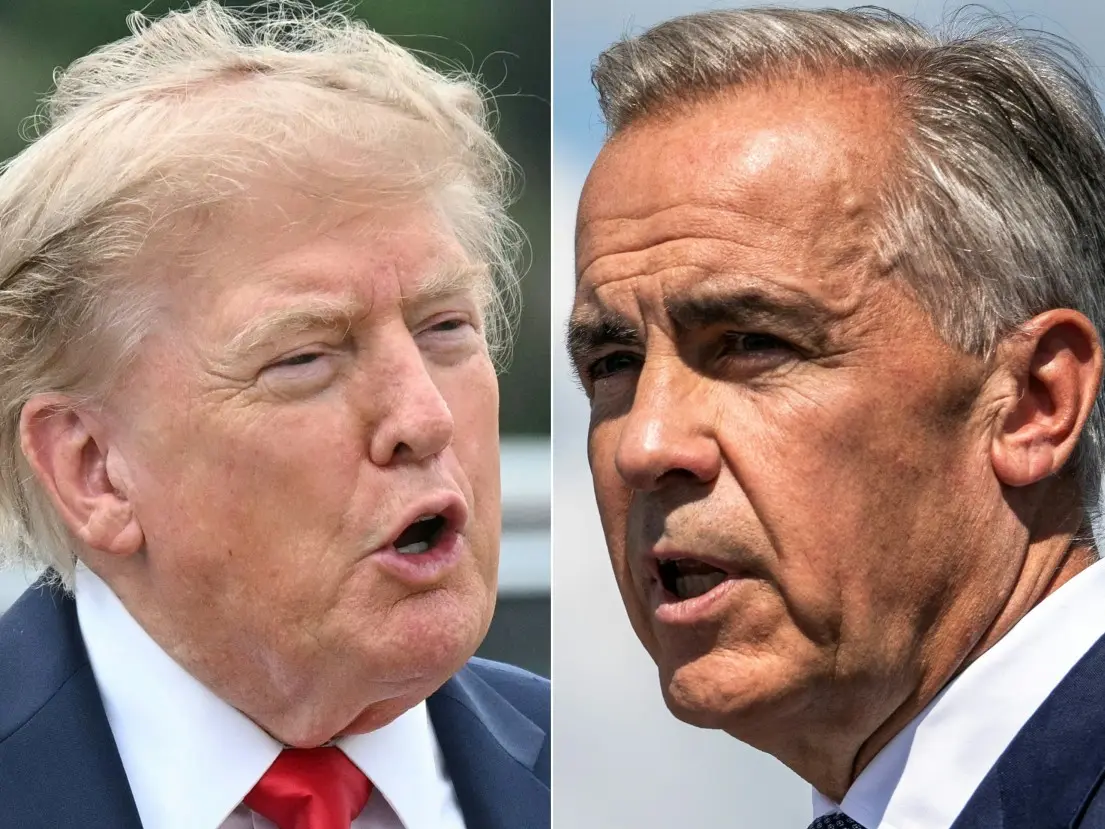)
What’s in a name? Trump’s 'Lake America' move gets a tit-for-tat response from Canada
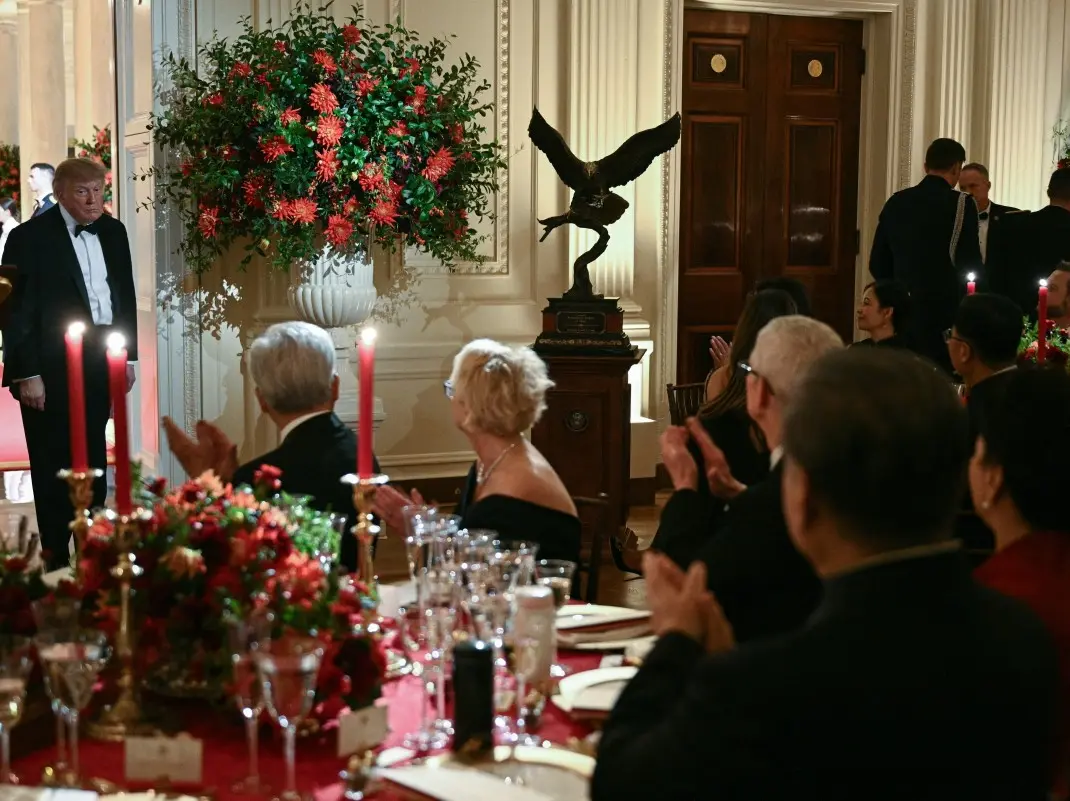)
Trump gifts Xi a bald eagle sculpture at White House dinner: Here’s what it symbolises
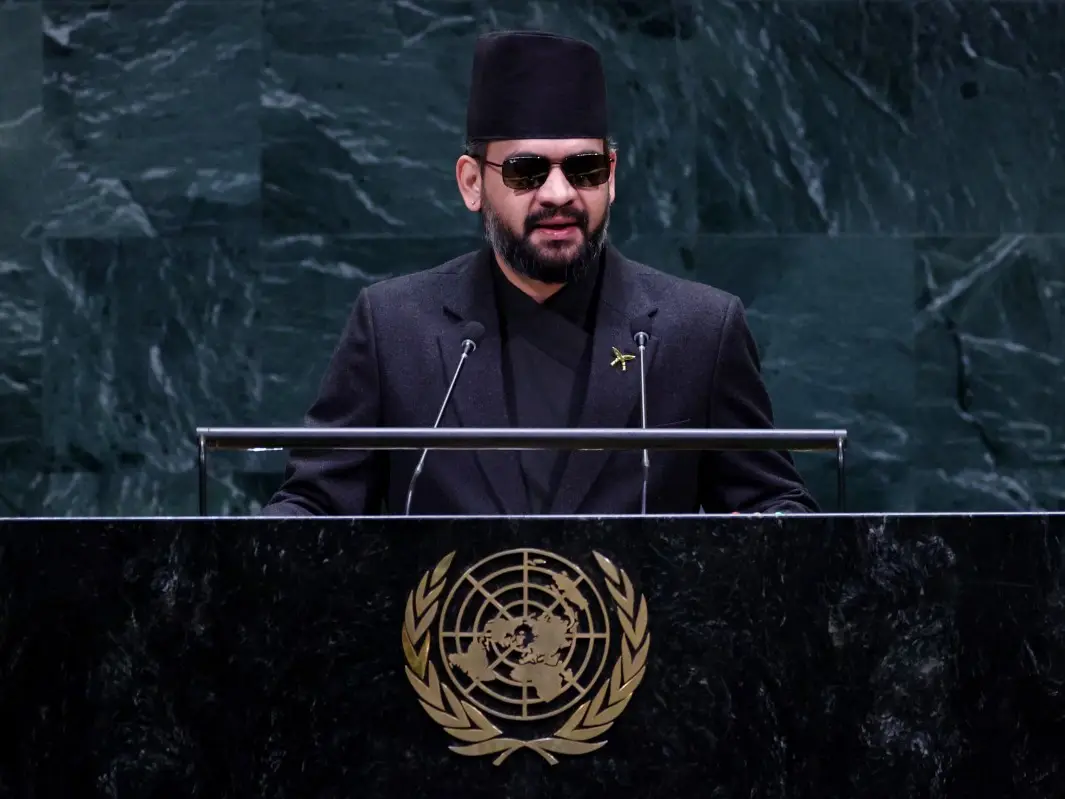)
‘Not just a local tragedy’: Nepal PM Shah warns UN of growing climate threat, says Nepal floods were 'a warning to the world'
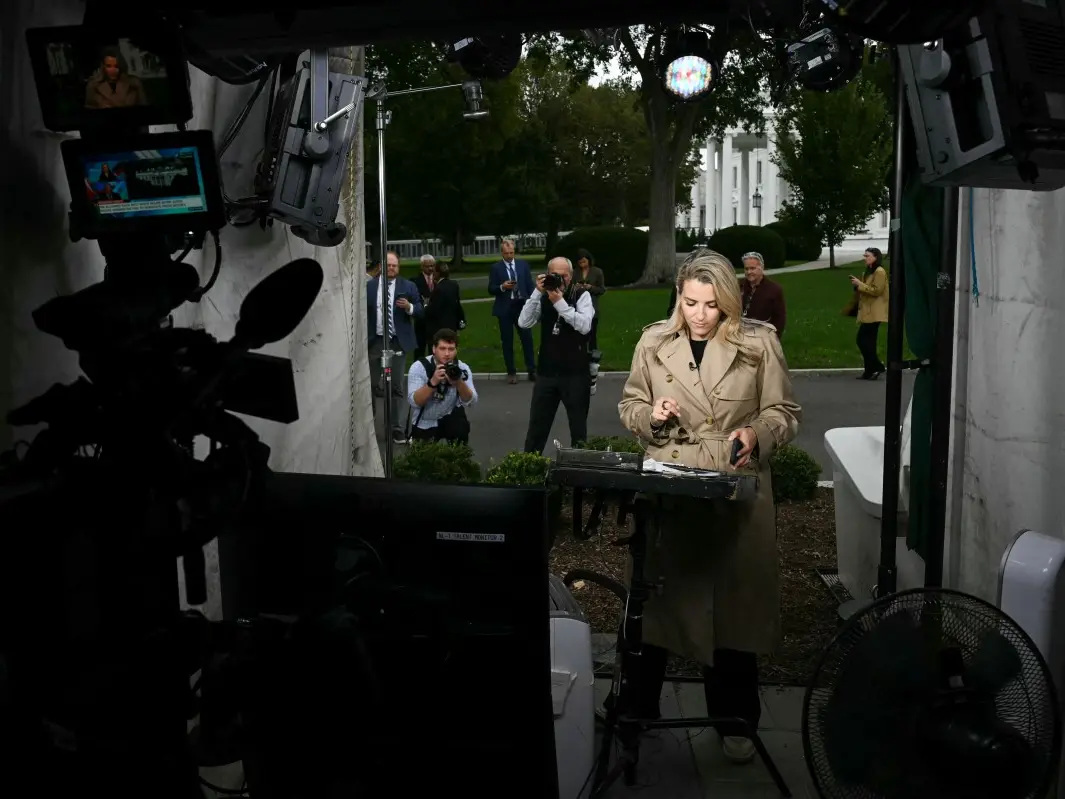)
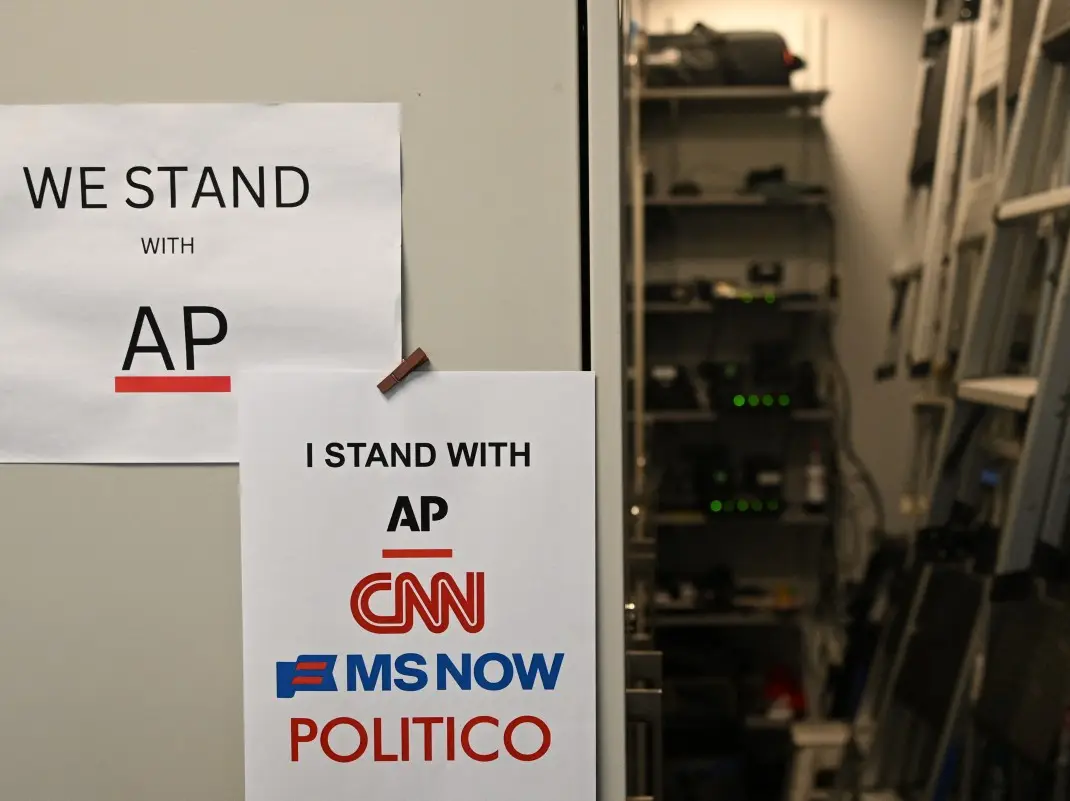
CNN, Politico and MS NOW back in White House after judge blocks Trump’s media ban
)
US judge questions Trump’s decision to ban CNN, MS NOW and Politico from White House
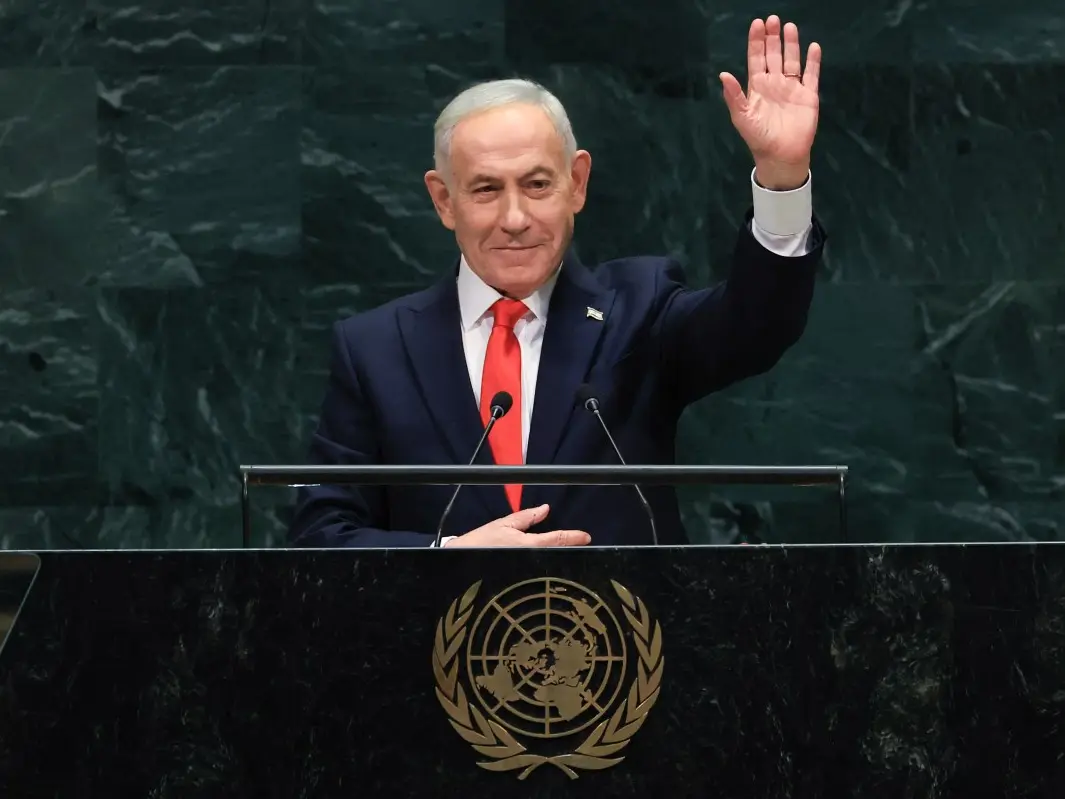)
'We would all be dead': Netanyahu defends decision to strike Iran's nuclear facilities in his UN speech
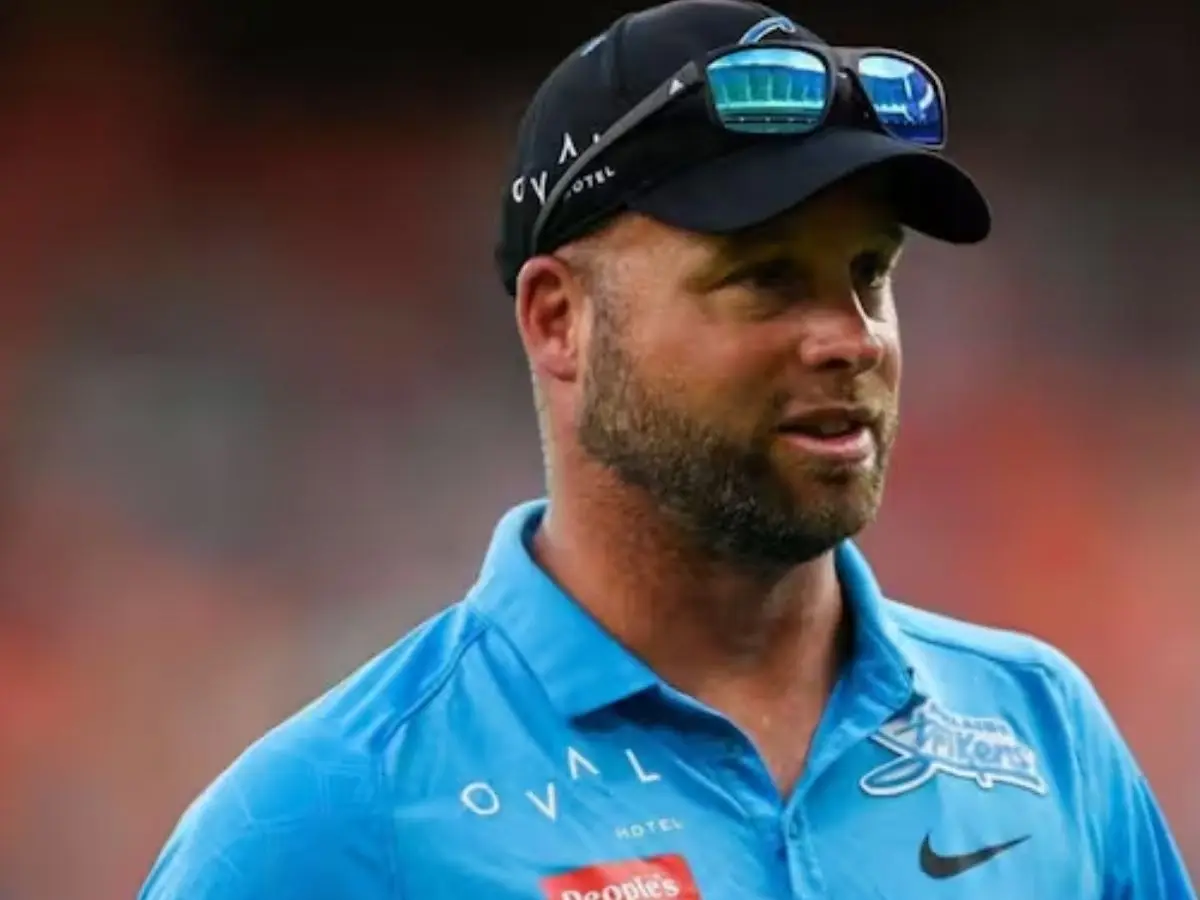)
Mumbai Indians appoint Luke Williams as head coach for Women’s Premier League
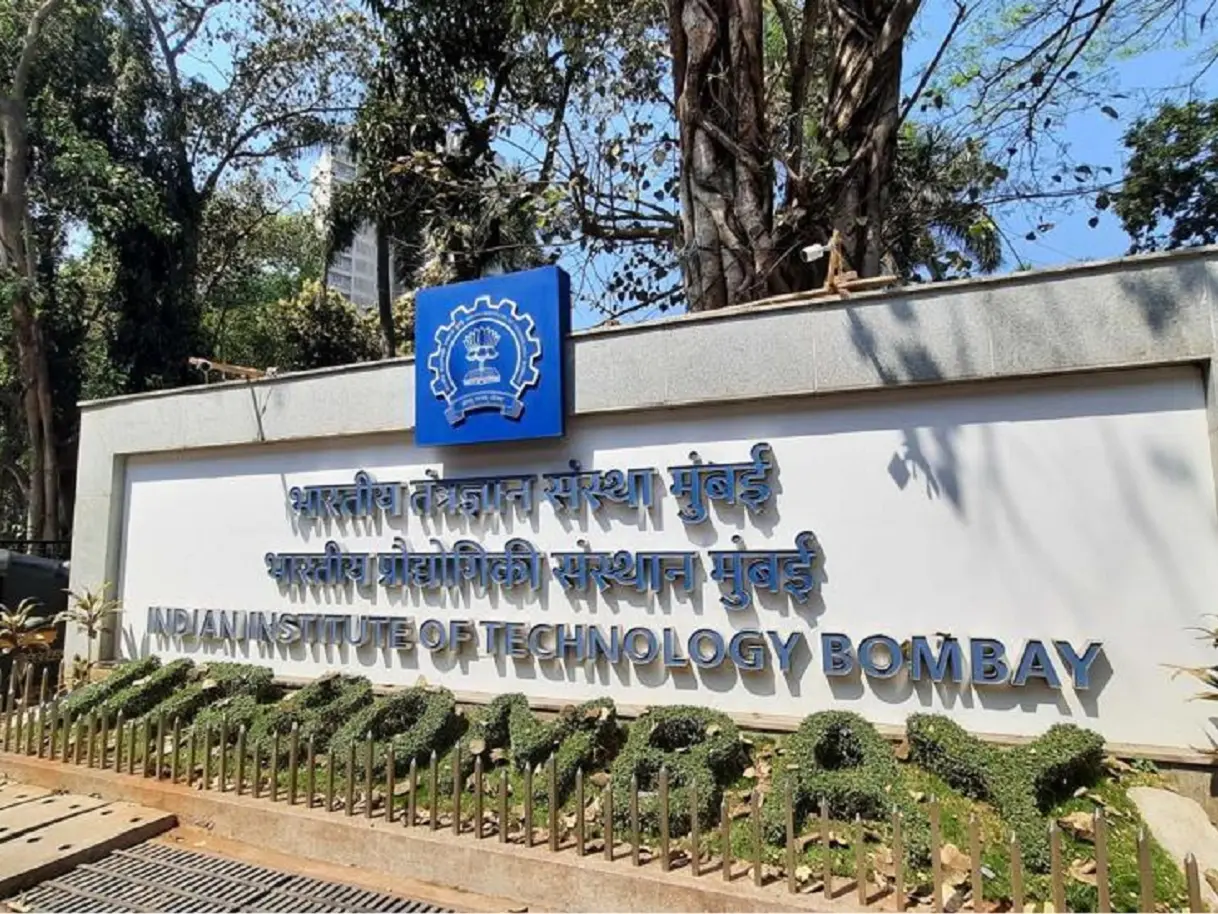)
IIT Bombay CCTV footage emerges: Sahil Wakode seen looking at phone in examination hall
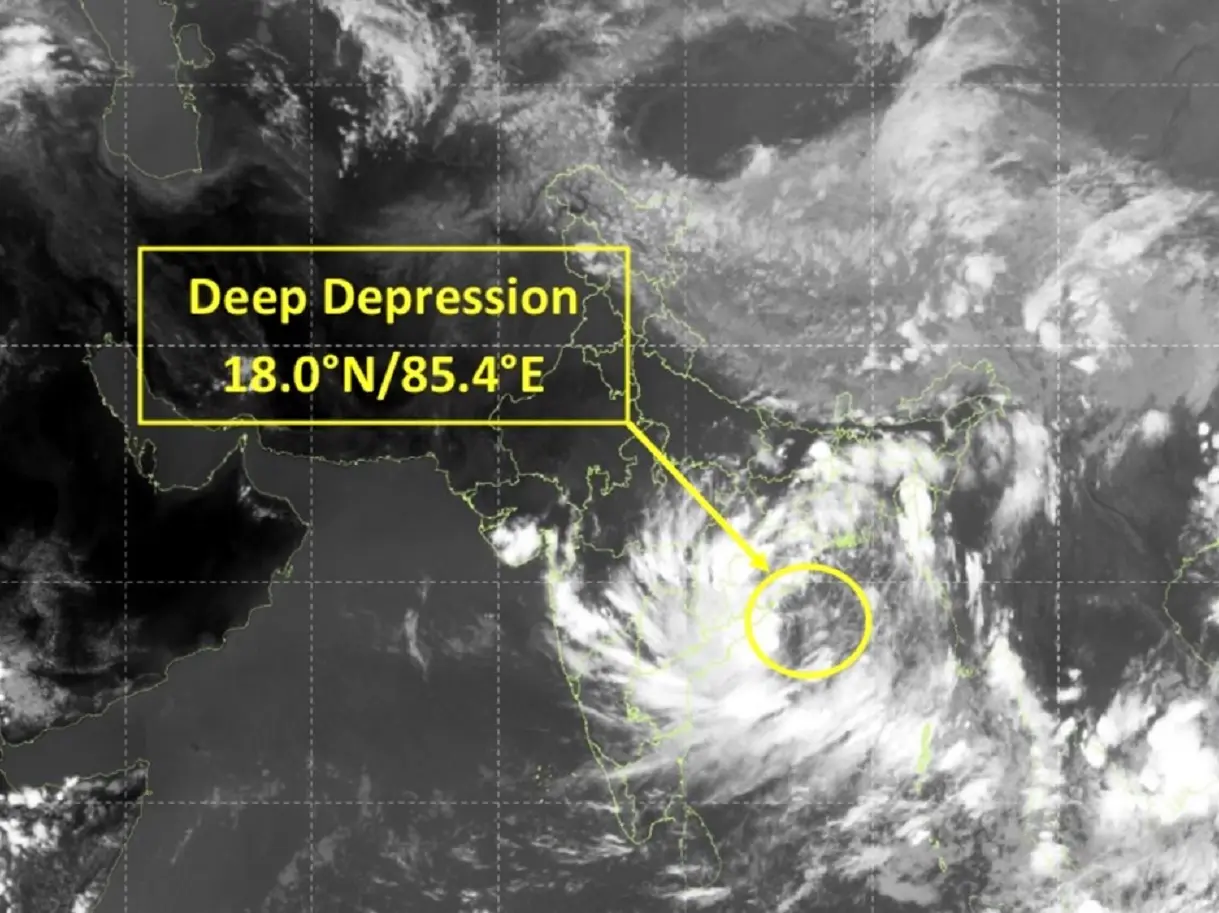)
Cyclone Arnab: Landfall expected before midnight tomorrow as IMD issues orange alerts across six states
)
Welcome actor Mushtaq Khan dies at 56 after battling cancer
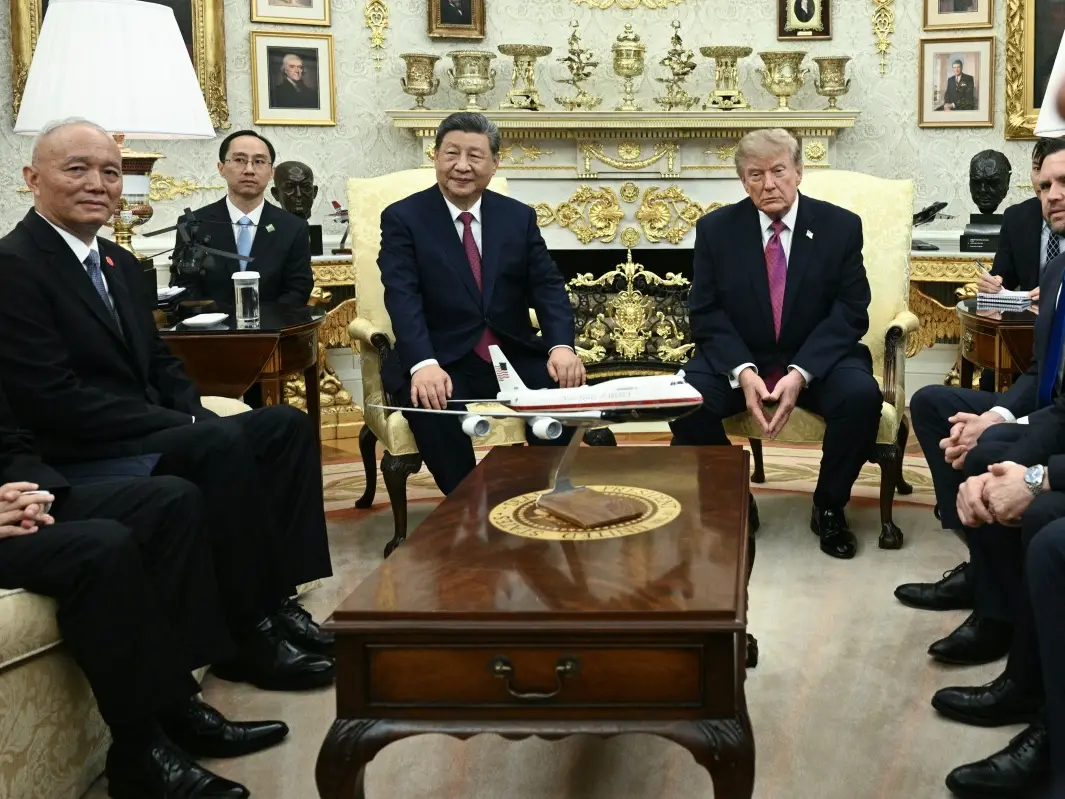)
Trump's welcome to Xi demonstrates 'attraction' to dictators: Chuck Schumer
)
WION Iconic Tourism Summit 2026: Union Minister Shekhawat on 'experiential travel', peace diplomacy
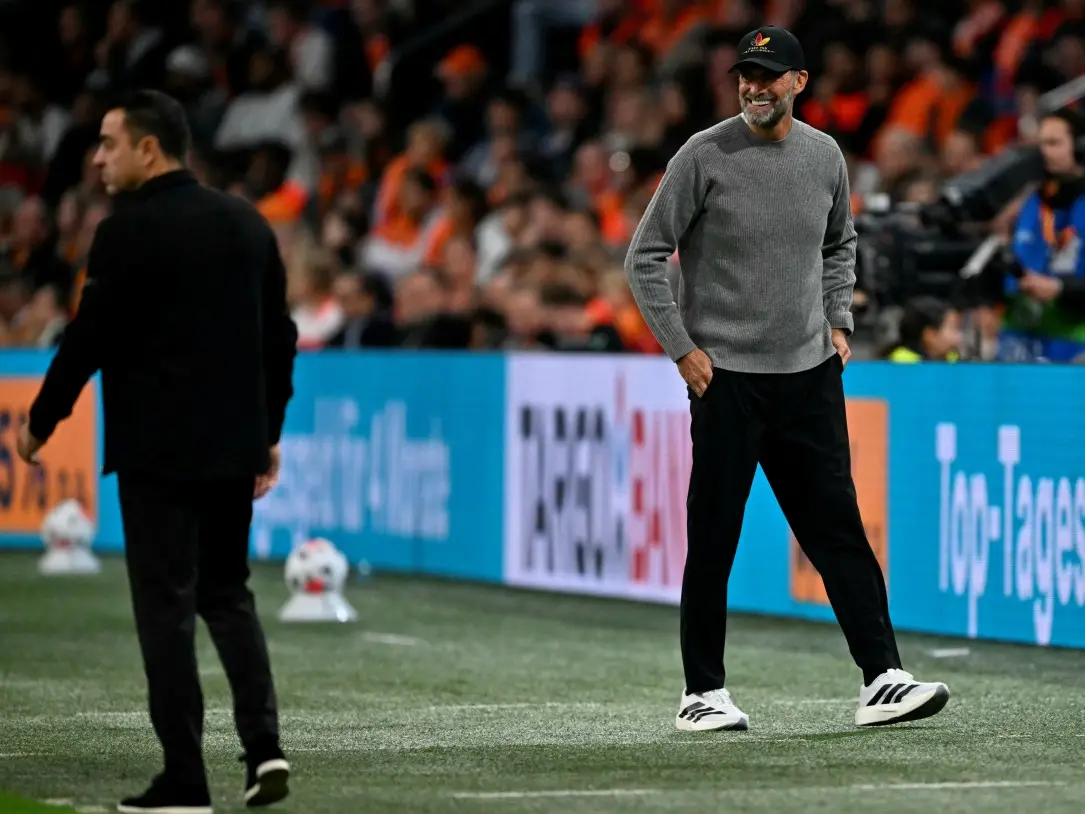)
Nations League: Germany draw on Klopp debut; Portugal, Norway win
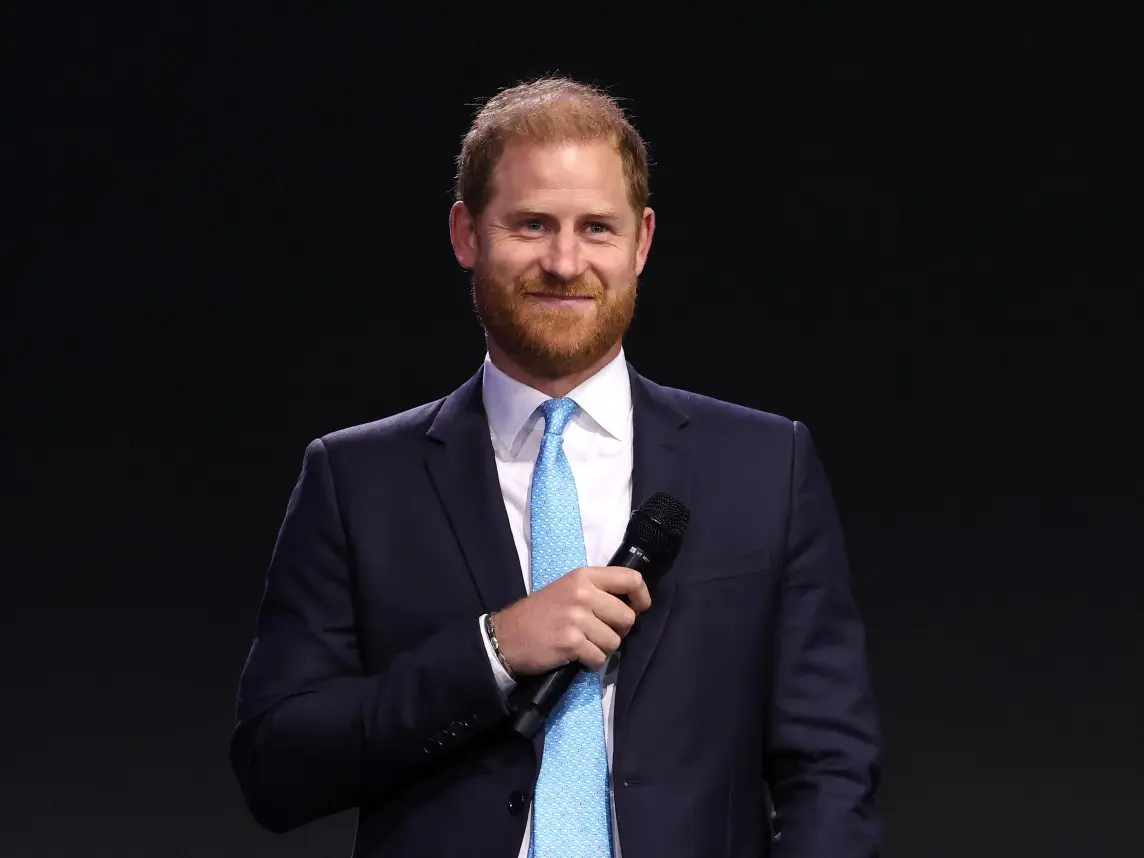)
'AI got into my speech': Prince Harry jokes after teleprompter failure at event in New York
)
Scientists detect first radio signals directly from faraway planet
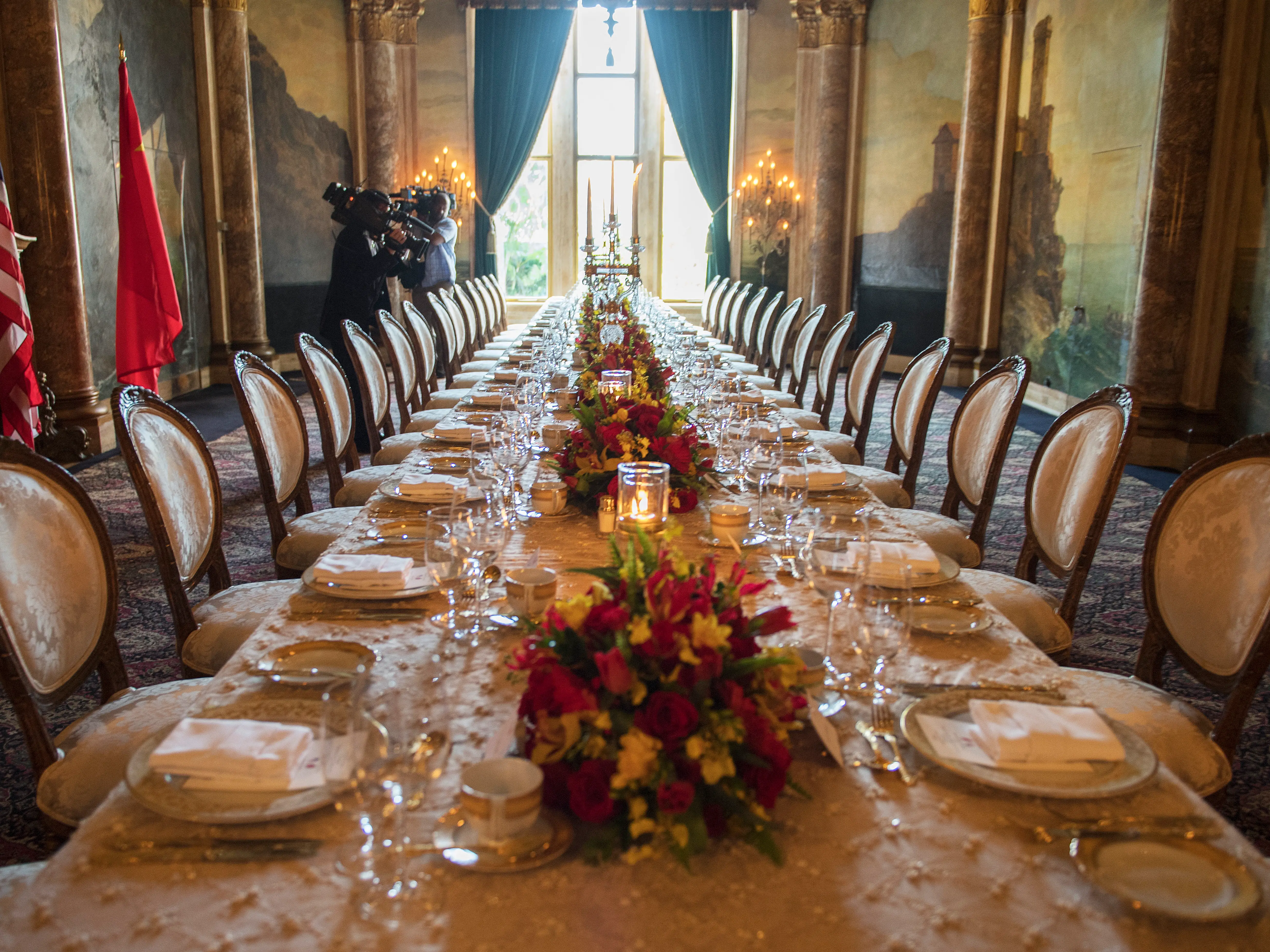)
What’s on the menu? Inside Trump’s lavish White House state dinner for Xi
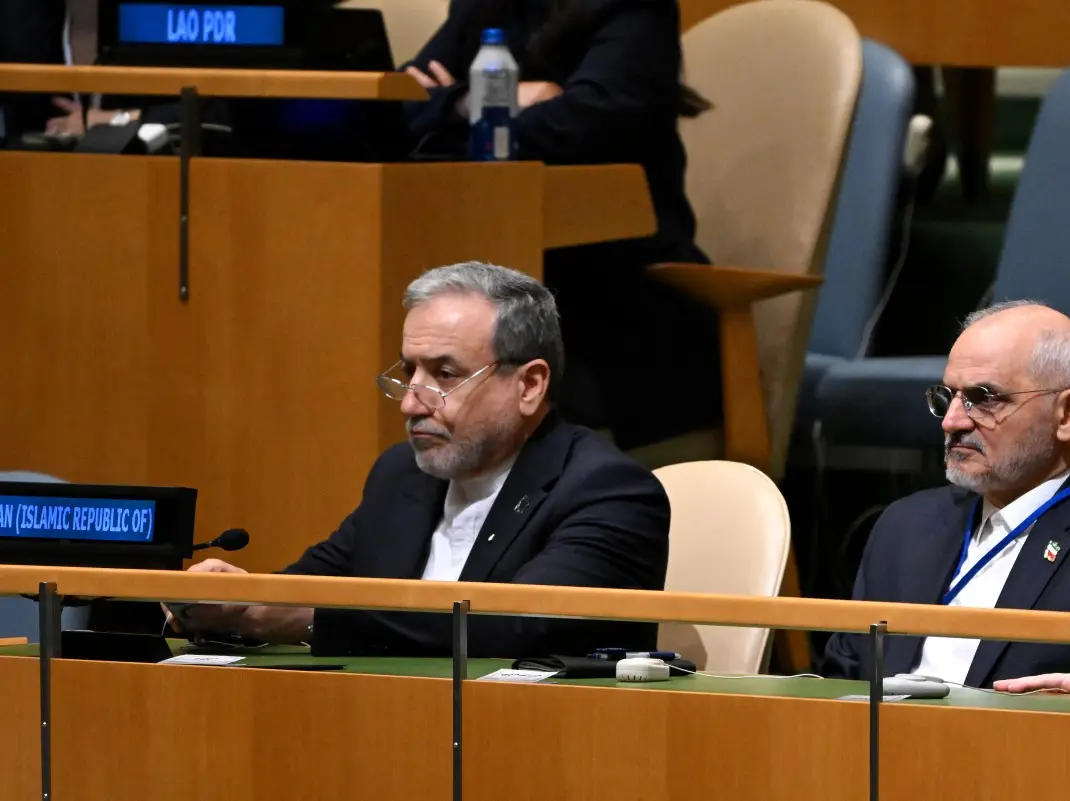)
A seven-day roadmap? Iran proposes plan to end war, reopen Strait of Hormuz and resume nuclear talks
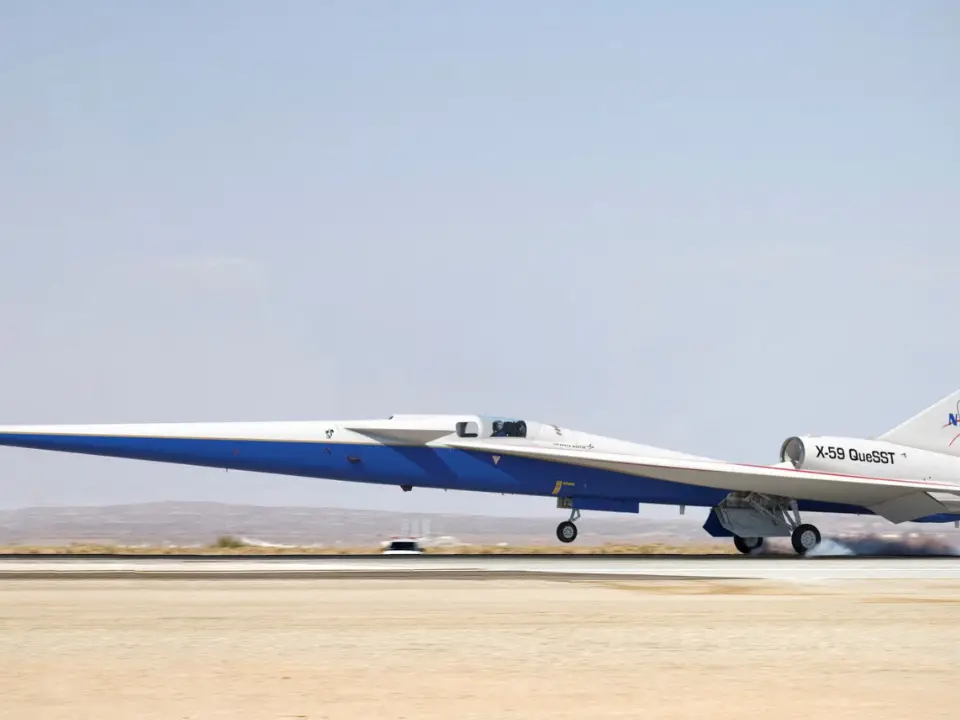)
China to test supersonic jet that moves at Mach 2, double the speed of sound
)
Xi Jinping's 'special plane' vs Trump's Air Force One: What's the difference?
)
West Indies coach Sammy looking at India series as opportunity to finetune ahead of ODI World Cup 2027 qualifiers
)
‘We’ve never gotten along better’: Trump praises Xi, jokes about White House ballroom at high-stakes state dinner
)
Nearly half of young people trust AI over humans to check facts, major study finds
)
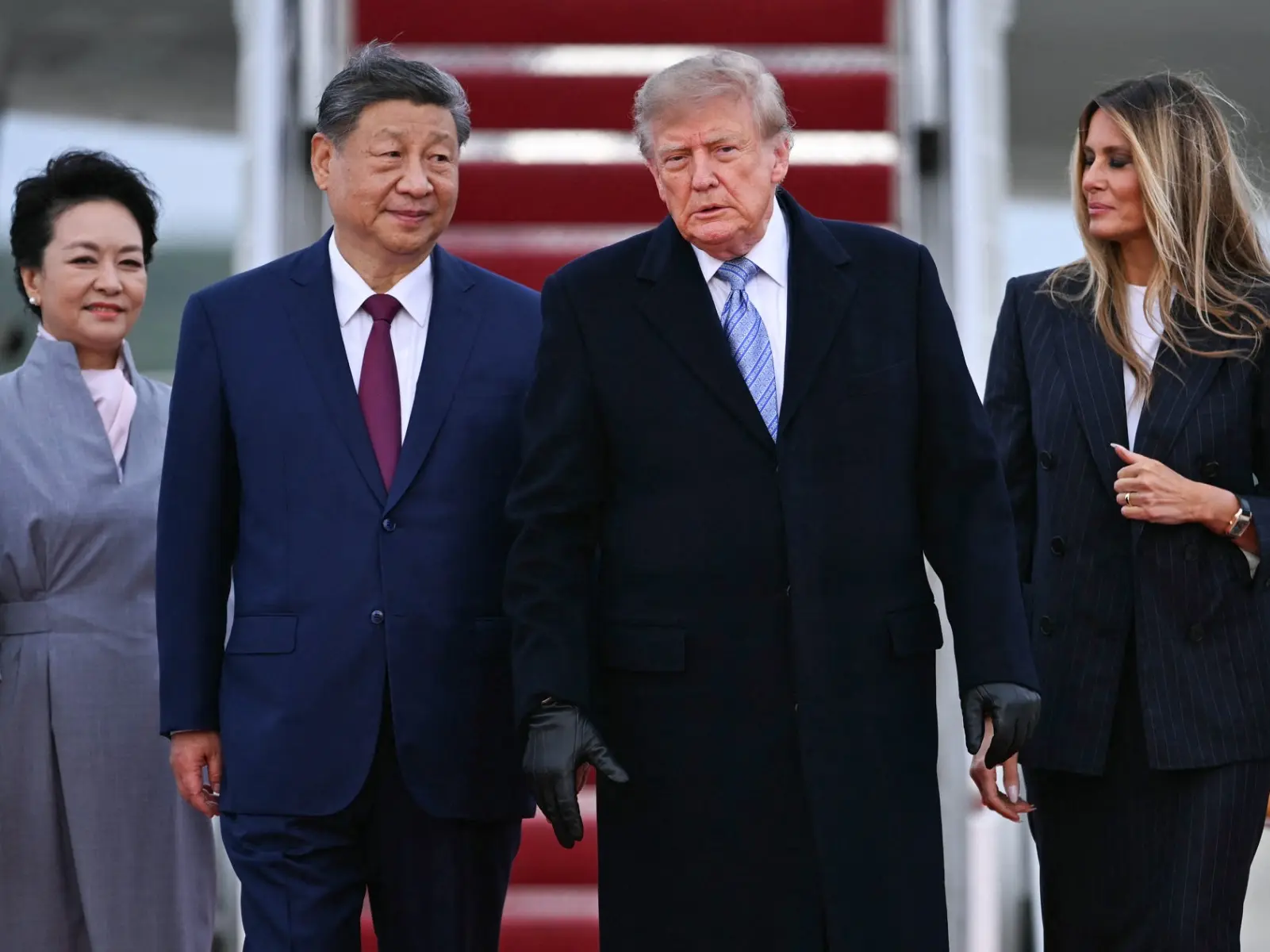
'Partners rather than rivals': Xi Jinping's first message after landing in US for Trump summit
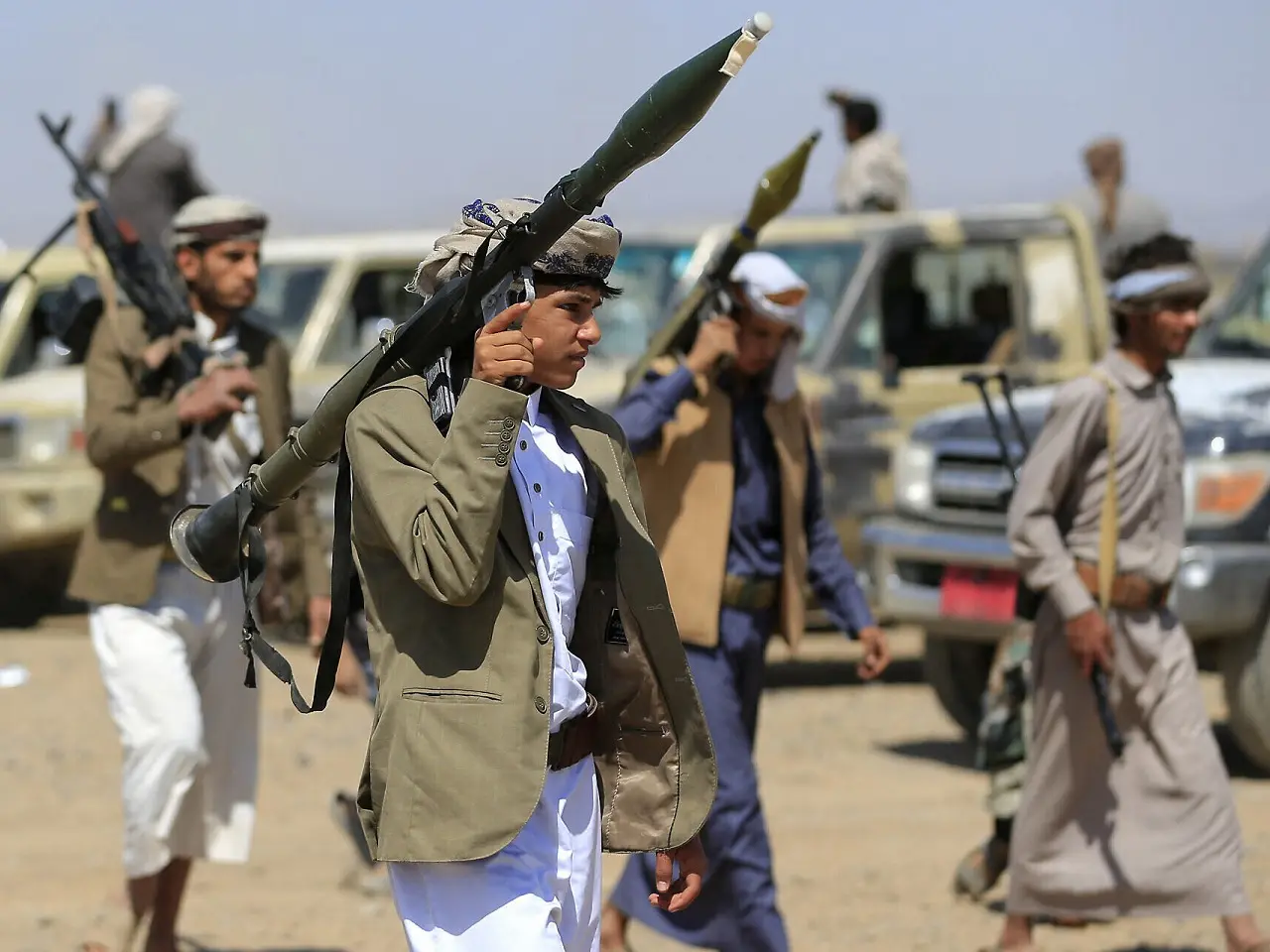)
Yemen called Trump for US military support in fight against Houthis: Official
)
2,000-foot tube, laser tests and more: China builds towns to expand nuclear arsenal, satellite images show
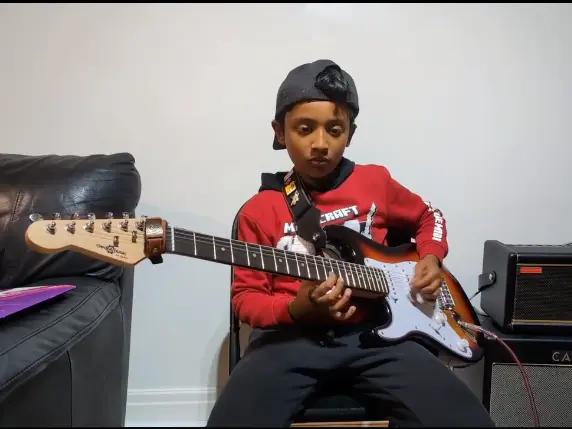)
Meet Adrian Abraham: 9-year-old Indian-origin guitar prodigy aiming for a Guinness World Record
)
US faces fresh cost crunch as mortgage rates hit 7%, oil tops $107 and gas prices surge
)
Trump-Xi state dinner 2026: Who is invited? Full guest list of tech CEOs, business leaders and officials
)
Alarming video emerges as landslide damages houses in Sikkim’s Rimbi village. Watch
)
'Making history': Xi Jinping praises Trump as US-China leaders dine at White House
)
Australian PM Anthony Albanese calls OpenAI AI incident 'unacceptable' after restricted data access
)
'What kind of confession is this?': Pakistan PM Shehbaz Sharif’s 'terrorists would be roaming New York' remark goes viral, raises alarm online. Watch
&im=FitAndFill=(700,400))
Netanyahu at UN: Mass walkout, attack on Mamdani and Iran threats | In Pics
)
'We do not wish to continue. It's America that must choose': Iran president Pezeshkian calls on US to end war
)
WION Iconic Tourism Summit: How local tourism MSMEs must upskill for AI integration
)
EC appointment law: Why is the 2023 act controversial, and what happens next? WION explains
)
Who is Lt-Gen Nauman Mahmood, Pakistan's first secretary general of Makkah Defence Alliance?
)
Israeli envoy to US Yechiel Leiter’s son critically injured in West Bank ramming attack
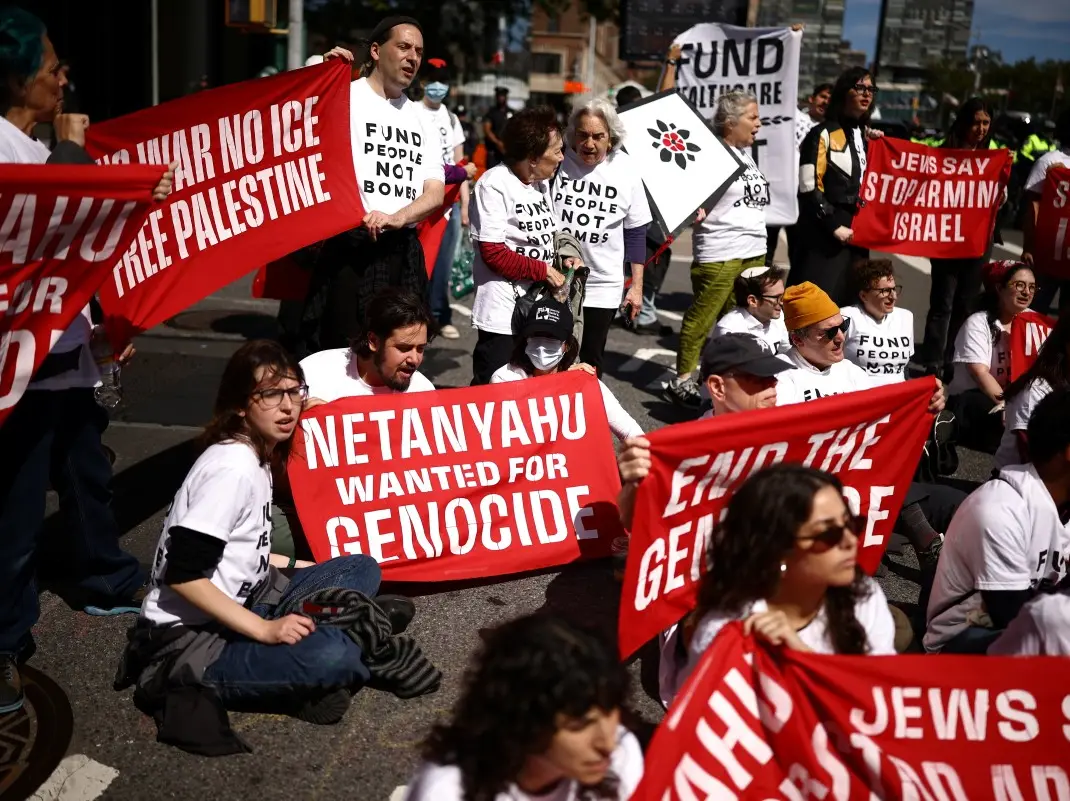)
'Fund people, not bombs': Hundreds take to New York streets as Netanyahu delivers speech at UN; dozens arrested
How will the island nation elect its new parliament?
Sri Lanka's presidentdissolved parliament on September 24 to clear the way for the general election. It comes days after he was elected president on a platform for change.
The election then became necessary as Dissanayake had just three lawmakers in the outgoing parliament.
The campaigning for the snap elections ended on Monday (Nov 11) at midnight.
Sri Lanka has 17.1 million voters who will be voting tomorrow (Thursday). Moreover, around one million of them are first-time voters.
Watch |Sri Lanka Gears Up for Pivotal Elections Tomorrow
Election process
Voting will begin at 7:00am (local time) and will end at 4:00 pm. The counting of votes will start right after the polling ends.
Voters directly elect 196 members to parliament from 22 constituencies under a proportional representation system. Meanwhile, the remaining 29 seats will be allocated as per the country's wide proportional vote obtained by each party.
Moreover, a voter can cast up to three preferential votes for candidates contesting from their choice of party.
After all this ends, the votes will be counted at polling stations by the government employees with heightened security. The process will be supervised by Election Commission officials, election monitors and representatives of candidates.
(With inputs from agencies)
