'Hercules': Most venomous and largest funnel-web spider found in Sydney

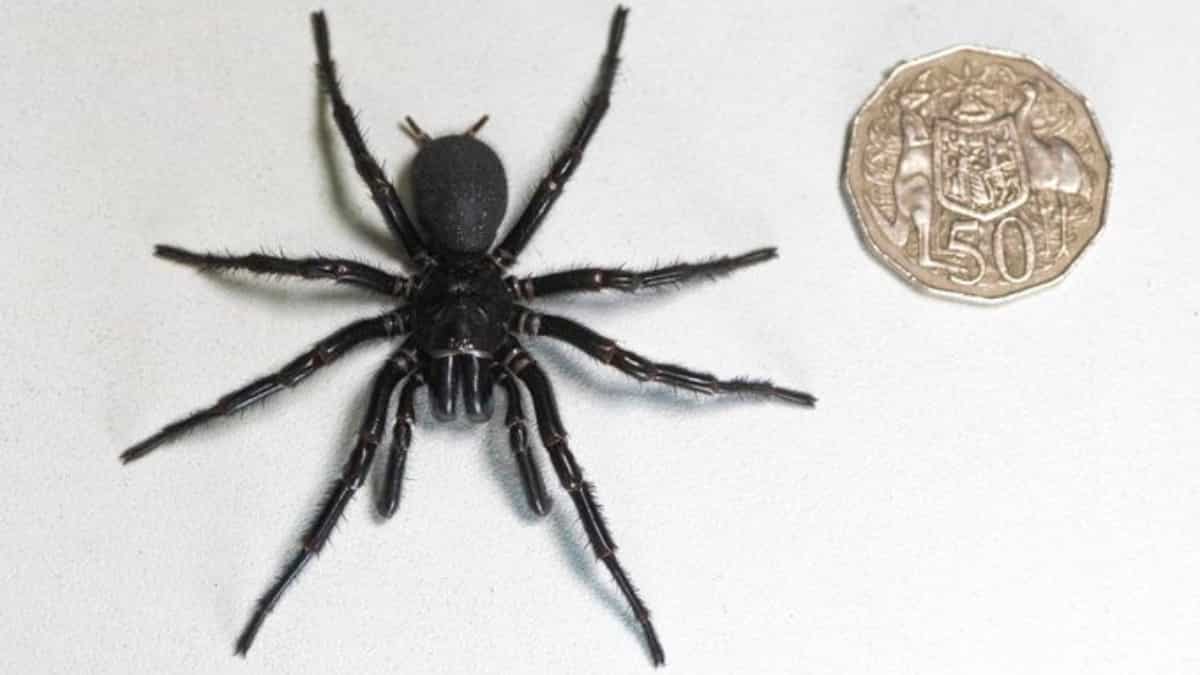
Spider ‘Hercules’ was retrieved by the spider experts from a park in Sydney.
Wildlife experts in Australia recently discovered the largest male specimen of the most venomous spider in the world. The arachnid, named Hercules, which measured 7.9 cm (3.11 inches) is the biggest male funnel-web spider. It has been given to the Australian Reptile Park, said officials with the interactive zoo which is based in Somersby on Australia's Central Coast.
In a video shared on its Facebook page, park spider keeper Emmi Teni said that she had earlier thought that the spider was female.
"But upon closer inspection, he is definitely a male and has some the biggest fangs I've ever seen," said Teni. As per the park officials, males are generally much smaller in comparison to females.
This deadly Sydney funnel-web spider was first discovered on the Central Coast, nearly 80km north of Sydney, and was initially admitted in a local hospital, said the Australian Reptile Park, in a statement.
It was soon retrieved by the spider experts from the nearby park after which they realised that it was the largest male specimen to have been ever found in the public in Australia.
The spider, which measures 7.9cm (3.1 inches) from foot to foot, is bigger than the largest male funnel-web spider which has been present in the parl since 2018 and has been named “Colossus”.
The biggest funnel-web spider donated to the Australian Reptile Park was a female measuring 8cm from foot to foot – comparable to a tarantula. It was found in 2021 and given the name “Megaspider”.
What is a funnel-web spider?
Funnel-web spiders are one of the most dangerous arachnids in the world, said Dan Rumsey, a former reptile keeper at the Australian Reptile Park, while speaking to USA TODAY. The spider has a venom, which is filled with 40 different toxic proteins and its raw venom, is the best way to make life-saving antivenom.
If someone is bitten by a funnel-web spider, the park recommends the person should keep the affected limb still, apply a bandage and seek medical help immediately.
'Keeping Hercules in park is saving lives'
Temi said that Hercules was recently admitted to John Hunter Hospital, which is one the spider drop-off locations in wildlife sanctuaries.
"Hercules is absolutely huge as is his venom yield. The person who contributed this spider is helping us save lives," Temi said.
Watch:What the fossils of the giant predator worms 'terror beasts' reveal
The spider will be joining the park's "funnel-web spider venom programme" where his venom will be used for creating antivenom.
“We’re used to having pretty big funnel-web spiders donated to the park, however receiving a male funnel-web this big is like hitting the jackpot,” said Emma Teni, a spider keeper at Australian Reptile Park, on Thursday (Jan 4).
“Whilst female funnel-web spiders are venomous, males have proven to be more lethal. With having a male funnel-web this size in our collection, his venom output could be enormous, proving incredibly valuable for the park’s venom programme," he added.
(With inputs from agencies)