South Korea marks hottest April since 1973, average daily temperatures go 2.5 degrees higher

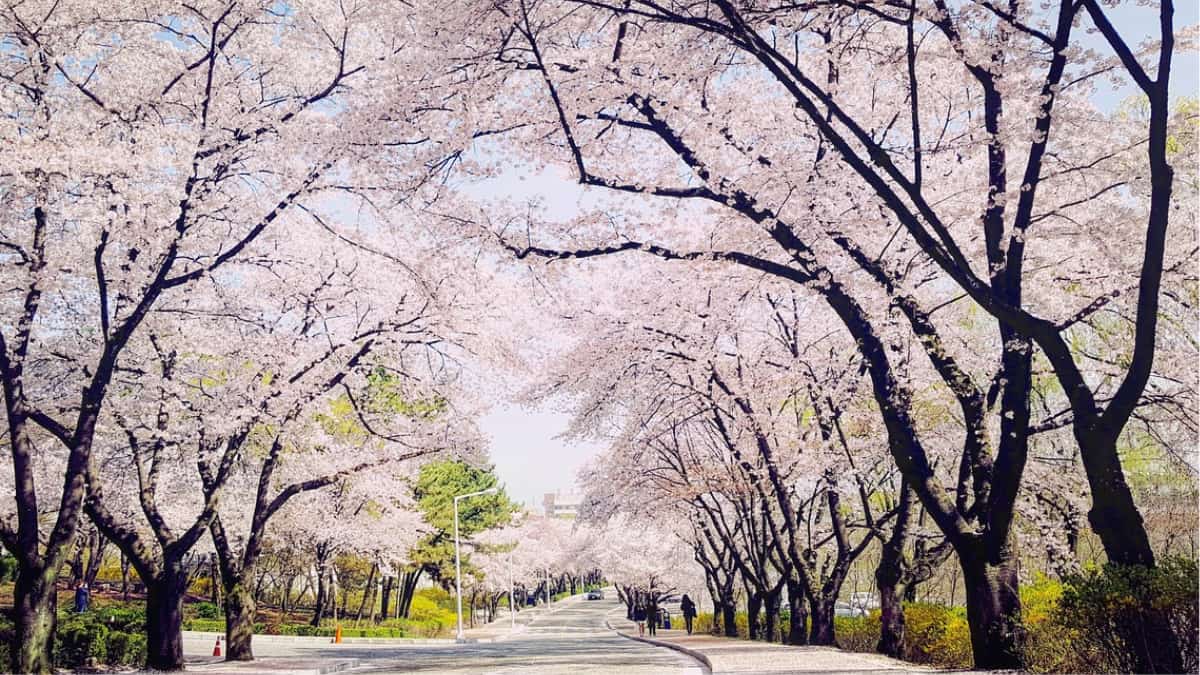
A landscape image of South Korea.
South Korea marked the hottest April since comprehensive records started in 1973, said the state weather agency on Tuesday (May 7).It added that the average daily temperature rose by more than 2.5degrees,in comparisonto previous years.
"The highest average national temperature for April (is) 14.9 degrees Celsius (58.8 degrees Fahrenheit) in 2024,"said the Korea Meteorological Administration, further stating that it was the highest recorded in April since the establishment of the national weather observationnetworkin 1973.
The KMA stated that the previous record was 14.7 degrees Celsius, whichwas recordedin April 1998. It added that average nationwide temperatures in April surpassedthe average temperature of 12.1 degrees Celsius recorded in April between 1991 and 2020.
The average daily high temperature reached a record-breaking 21.1 degrees,which wasan increase of 2.5 degrees from the average temperature from 1991 to 2020.
April 14 also witnessedespeciallyhigh temperatures as it soared to approximately 30 degrees in daytime in the greater Seoul region and areas of Gangwon province.
High pressure flows "developed over the Philippine Sea and east of Taiwan, resulting in warm southerly winds flowing into our country along the edge of the high pressure", saidKMA,in a statement.
Warming climate in Asia
As per the UN's World Meteorological Organisation, Asia has been warming fasterin comparison tothe global average.
In the region,majorswathes of South and Southeast Asia have faced an intensive heatwave which has topped temperature records from Myanmar to the Philippines, as the El Nino phenomenon has been pushing theexceptionally warmweather of this year.
In February, the head of last year's COP28 climate talks stated that the world requires "trillions" of dollars to deal with global warming and green transitionand warnedthat the political momentumcanevaporate withoutclearaction.
Watch:South Korea to Probe in 2022 Halloween tragedy
The International Monetary Fund and the World Bank have beenfacing pressureto initiatemajorreforms to align their lending plans with the Paris deal goalwhichiscapping global warming at 1.5 degrees Celsius, beyond preindustrial levels.
(With inputs from agencies)