

&imwidth=800&imheight=600&format=webp&quality=medium "Shops closed, plunged currency: Here’s why Tehran is under protest | WION Explains")
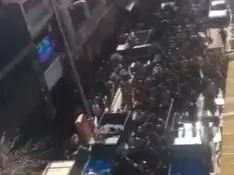
Multiple major cities of the Islamic Republic of Iran, including the capital city of Tehran, erupted into massive protests on Monday (Dec 29). On Tuesday (Dec 30), students also joined the protests, initiated by shopkeepers, over the bad economic condition of the country. The protests erupted after the Iranian currency plunged to an all-time low against the US dollar. Amid this, the head of the country's central bank, Mohammad Reza Farzin, reportedly resigned.
Iran's President Masoud Pezeshkian, in his quest to appease the protestors, said on December 30 that people's livelihood is his “daily concern” and called the protestors' demands “legitimate”. The Iranian president said he has tasked Iran's interior minister “to hear the legitimate demands of the protesters through dialogue with their representatives, so that the government can act with all its might to resolve problems and respond responsibly.”
“The livelihood of the people is my daily concern. We have fundamental actions on the agenda to reform the monetary and banking system and preserve the purchasing power of the people. I have tasked the Minister of the Interior to hear the legitimate demands of the protesters through dialogue with their representatives, so that the government can act with all its might to resolve problems and respond responsibly,” Pezeshkian wrote in a post on X.
It all began with several traders shutting their shops down on Monday (Dec 29). They urged their fellow traders to do the same. According to an Associated Press report added that on Sunday, the scale of the protests was much smaller as it was limited to only two major mobile markets in Tehran.
Moreover, Bloomberg quoted Fatemeh Mohajerani, an Iranian government spokesperson, as saying, “We see, hear, and acknowledge the protests, pressures, and crises…When people raise their voices, it means significant pressure is being put on them. We’re aware of the current situation and do not defend it,"

