Sarahah is validating a culture of shame

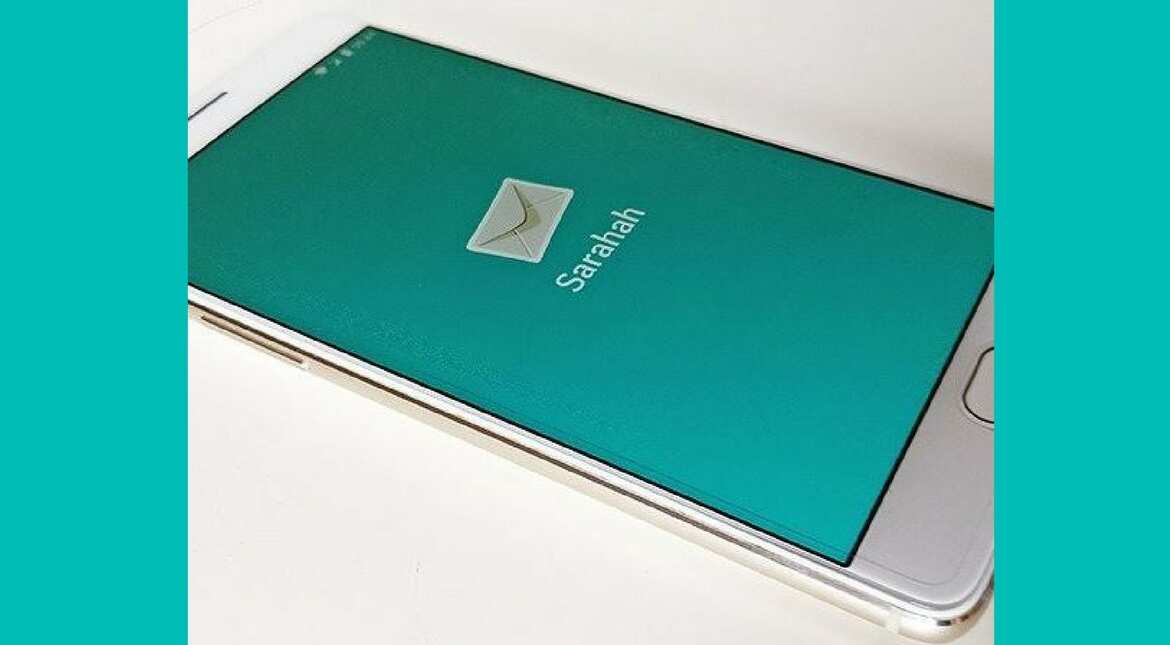
Sarahah App
Sarahah reflects just how insecure and ashamed we have become about our most natural need to express ourselves.
Sarahah is the new pandemic on Facebook. As a self-confessed frequent Facebook user, I was intrigued by the number of messages on Sarahah that were posted by my Facebook friends on their wall. Ranging from compliments to insults to crushes, these Sarahah messages introduced intimacy, through its paradoxical mirror, anonymity. The result is the pandemic I was privy too.
Lest I sound judgemental, I was tempted to use this app as well. After all, which man wouldn’t want some praise, admiration and even flirtatious messages coming his way? Yet, like Luke Skywalker’s dilemma with Darth Vader, I remained conflicted as to whether or not I should contribute to the pandemic by indulging my vanity and my dark side in general. I haven’t still decided. But that is not the point.
I will be the first to confess that my social skills are evolving and in this process, I have affected men and women negatively. I learned from my mistakes and my successes and remain steadfast in my journey to understand what, arguably, is a complicated element of human existence - communication. The embarrassment and guilt from the mistakes were no doubt worthy of being avoided. But I put myself out there, I took a risk and did the unthinkable, I expressed myself. I tempered that selfish instinct with an effort at sensitivity and intuition, paying careful attention to the reactions. I remained ever so ready to atone and apologise in the event I did impact someone adversely. The confidence to express myself and the willingness to apologise when I cause discomfort to my audience came from two things - faith in my good intentions and lack of shame as to what I felt for the other person.
Expressing and even negotiating intimacy in the framework of anonymity (which is the essence of Sarahah) reflects just how insecure and ashamed we have become about our most natural need to express ourselves. Even before the other person has branded our expression as rot, we have condemned ourselves; preferring sabotage over failed efforts. But what is so wrong about this, you may ask?
-20170816104119.jpg) An anonymous Sarahah post (Others)
An anonymous Sarahah post (Others)
Turn a few years back and art, poetry, lyrics, drama, cinema and literature were all unabashed expressions of their author’s feelings and ideas. If Shakespeare felt ashamed of the love he saw between Romeo and Juliet, I shudder to think of the loss humankind would never be aware of. At the heart of the utility of civilisation lies expression and today apps like Sarahah are validating the culture of shame that is slowly but surely infecting our ability to talk to each other.
I have realised that if one’s words, even if intended to express something as vulnerable and volatile as affection, is premised on sincerity, sensitivity and honesty, it cannot inflict discomfort or pain.
Not too long back, as I was speaking to a former crush of mine who is now a great friend, she happened to mention how she has a pattern of loving workaholics. Uncharacteristically enough, I replied that some workaholics were silly enough to not pursue the worthwhile and the priceless. I also expressed the hopethat the present man in her life wouldn’t become guilty of the same mistake. Had it been now, I would have used Sarahah to express this.
But now I have realised that if one’s words, even if intended to express something as vulnerable and volatile as affection, is premised on sincerity, sensitivity and honesty, it cannot inflict discomfort or pain. If only we could help more people understand this, we wouldn’t then need a Sarahah.