Russia arrests top defence official over corruption charges

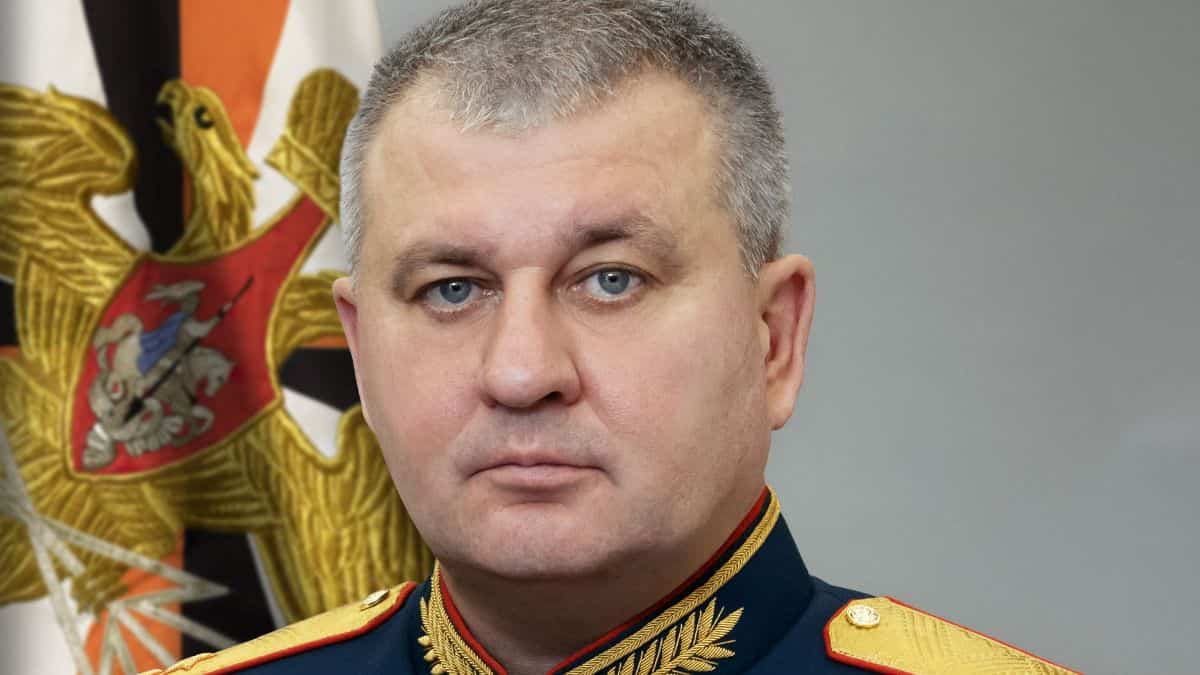
Lieutenant General Vadim Shamarin
The deputy chief of the Russian army's General Staff was arrested after being accused of taking bribe, investigators said on Thursday (May 23).
Lieutenant-General Vadim Shamarin was accused of taking bribefrom a factory that manufactured communications equipment, in exchange for awarding the firm with bigger state contracts, said Russia's Investigative Committee.
It claimed that Shamarin had received at least $360,000 (or 36 million roubles) in return.
The military official has been placed in pre-trial detention for two months and if found guilty, will face a jail term of up to 15 years.
Shamarin's arrest is the fourth detention to take place in a month. Earlier, Deputy Defence Minister Timur Ivanov was on April 23 placed in pre-trial detention for allegedly accepting bribe.
Following the incident, Lieutenant-General Yuri Kuznetsov, head of personnel at the defence ministry, and Major-General Ivan Popov, former commander of Russia's 58th army have also been arrested over alleged corruption charges.
The Kremlin played down Shamarin's arrest and denied that it was carrying out a purge of the military's top brass.
"The fight against corruption is consistent work," Kremlin spokesman Dmitry Peskov told reporters. "It is not a campaign, it is constantly ongoing work."
Several Russian military bloggers welcomed his arrest stating that it was communications breakdowns that led to Russia's military failures in Ukraine.
"Bribery in the military and security services is state treason," military blogger Anastasia Kashevarova said in a post on Telegram.
'Abuse of power'
Later on Thursday, another military official Vladimir Verteletsky was arrested by the committee over ensuring state orders.
It said Verteletsky had "been charged with the abuse of his official powers" and had also been placed in detention.
Verteletsky was accused by the investigators of taking a bribe in connection with a government contract in 2022, which was also the year when Moscow began its offensive against Ukraine.
The incident reportedly cost the state "over 70 million rubles".
(With inputs from agencies)