Marco Rubio defends Venezuela operation in senate: 'Not an act of war'

&imwidth=600&imheight=450&format=webp&quality=medium "Marco Rubio defends Venezuela operation in senate: 'Not an act of war'")
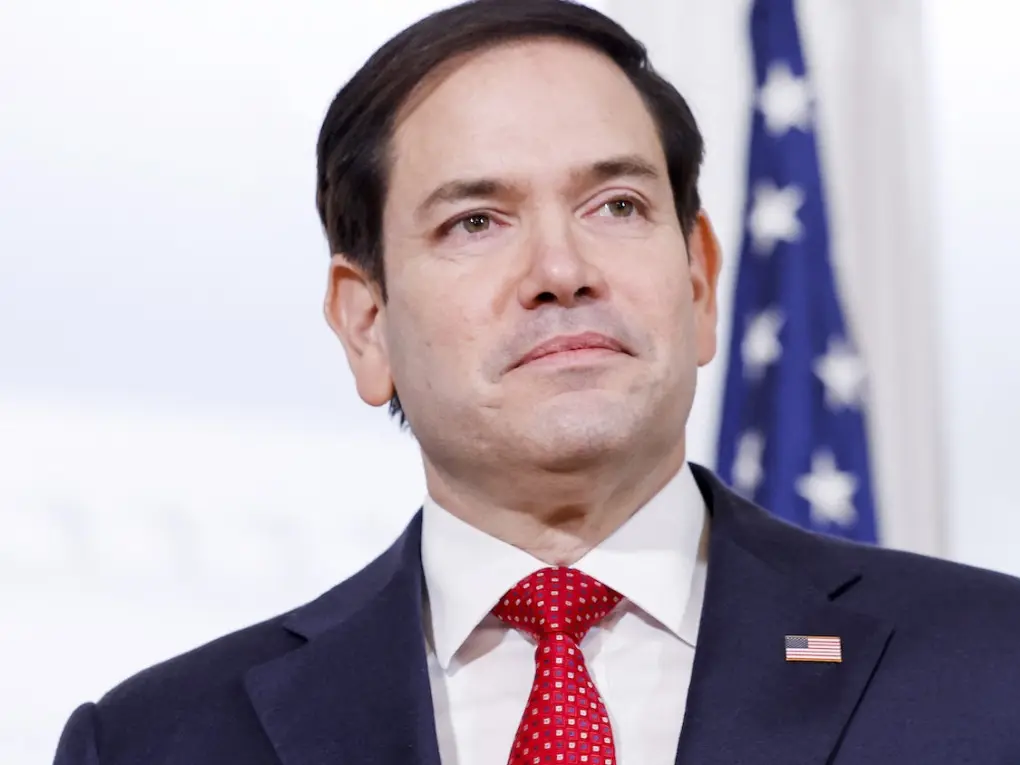
US Secretary of State Marco Rubio (File Picture) Photograph: (AFP)
US Secretary of State Marco Rubio defends Trump administration’s Venezuela operation before the Senate, insists it isn’t an act of war, addresses oil revenue, ties with Delcy Rodríguez, Iran policy, and congressional pushback.
US Secretary of State Marco Rubio defended US action in Venezuela, in the Senate Foreign Relations Committee by insisting that it doesn't constitute an “act of war”. He defended the Trump administration's January 3 operation, saying that it was a limited strategic operation. He further expressed interest in reopening a US embassy in Venezuela. Rubio said that the interim President Delcy Rodrigues "is well aware of the fate of Maduro." He further added that they are prepared to use ”force to ensure maximum cooperation if other methods fail."
Rubio described the operations as strategic necessity and that the region was involved in drug trafficking and hostile foreign influence from countries like Iran, Russia and Cuba. He further clarified on Trump administration's intention about the oil revenue. Trump administration intends to sell the oil and the money from those sales will first be used for basic services like policing and health care.
He further addressed Iran, dismissing any plans to attack Iran, even as the US increases its military presence in the region. He seemed the build up as “wise and prudent” to protect American personnel and facilities from potential Iranian threats. He admitted that regime change in Iran would be complex compared to Venezuela. He further added that "US has interests all over the world"
He faced some pushback from the Republican Senator Rand Paul who argued that if any other country would took similar action against the US it would be considered an act of war. He was critical of the reasoning of the administration. Democrats also criticised the operation, raising question over costs of long term deployment, strategy. They argued that the region was not implicitly opposed to US interests, and such actions undermines chances of having diplomatic relation with other Latin American countries. They also questioned the legal authority how a President of a country is subject to US federal law, and does not have diplomatic immunity. They particover executive power without clear congressional authorisation.

