Putin offers to abide by nuclear arms pact with US one year after expiry: What is New START treaty that Russia signed in 2010?

&imwidth=600&imheight=450&format=webp&quality=medium "Putin offers to abide by nuclear arms pact with US one year after expiry: What is New START treaty that Russia signed in 2010?")
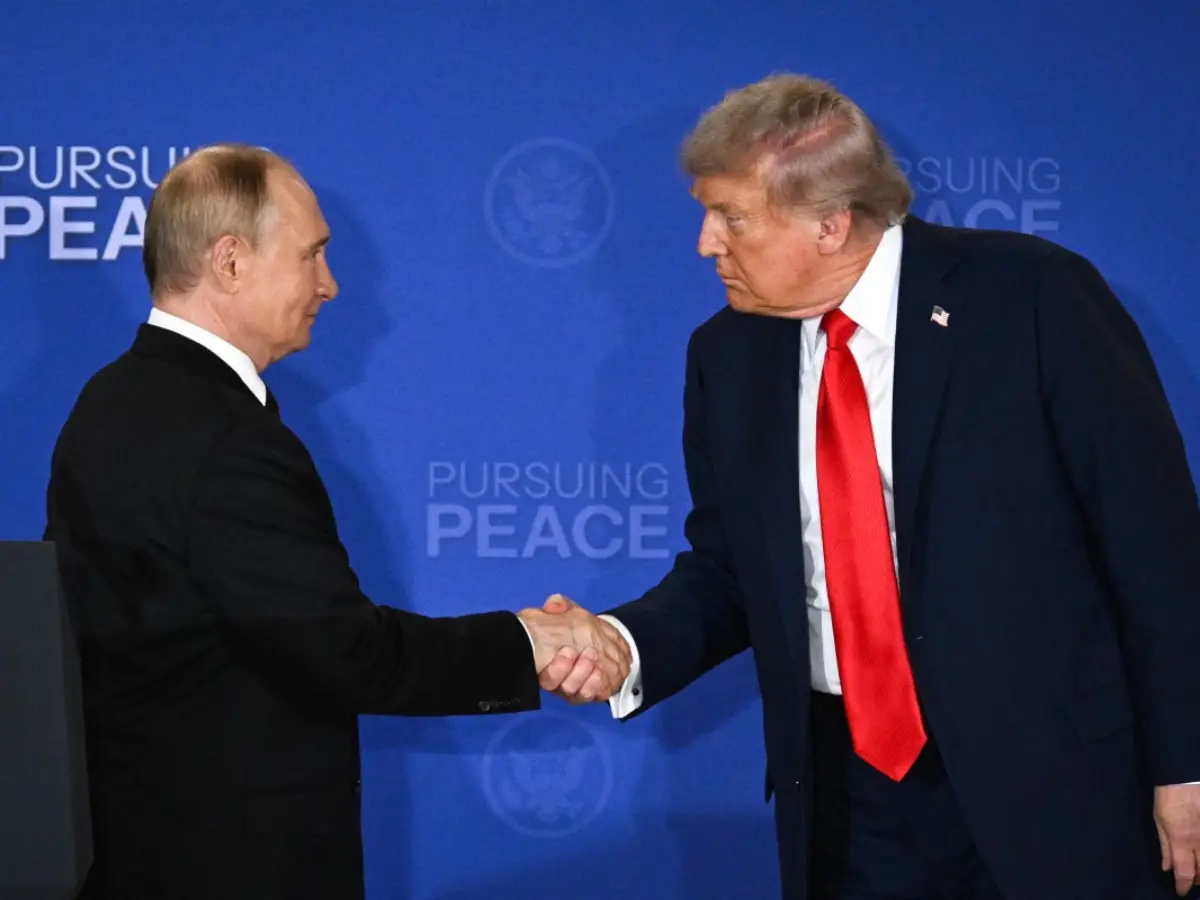
Russian President Vladimir Putin and US President Donald Trump Photograph: (AFP)
Russian President Vladimir Putin announced Russia will adhere to the New START nuclear arms limits for one more year after the treaty expires in February 2026. The treaty limits the deployment of intercontinental nuclear weapons between Russia and the US
Russian President Vladimir Putin on Monday (Sep 22) said that Moscow will adhere to nuclear arms limits for one more year after a nuclear pact with the United States expires in February. The New START treaty is the last remaining arms control agreement between Russia and the United States. "Russia is prepared to continue adhering to the central quantitative limitations of the New START Treaty for one year after February 5, 2026," Russian President Vladimir Putin said in a televised meeting. Earlier in July, US President Donald Trump indicated his inclination towards preserving the key limits on nuclear weapons set by the New START treaty with Russia. He said that he is starting to work in that direction.
The agreement is set to expire on February 5 unless both sides agree to an extension. It is the last remaining nuclear arms reduction accord between the world’s largest nuclear powers. With New START set to expire, arms control experts warn that both countries could start increasing their strategic warhead stockpiles, making it harder for each side to monitor the other’s nuclear intentions.
What is the New START treaty?
The New START treaty limits all Russian deployed intercontinental-range nuclear weapons, including every Russian nuclear warhead that is loaded onto an intercontinental-range ballistic missile that can reach the United States in approximately 30 minutes. The treaty was aimed at capping the number of deployed strategic nuclear warheads and delivery systems held by the US and Russia. The United States and the Russian Federation entered into force on February 5, 2011 and agreed to extend the treaty through February 4. Under the treaty, the United States and the Russian Federation had seven years to meet the treaty’s central limits on strategic offensive arms (by February 5, 2018) and are then obligated to maintain those limits for as long as the treaty remains in force.