Pakistan's Army Chief Asim Munir arrives in Tehran for talks, Iran says 'visit part of very good relations between two countries'

&imwidth=600&imheight=450&format=webp&quality=medium "Pakistan's Army Chief Asim Munir arrives in Tehran for talks, Iran says 'visit part of very good relations between two countries'")
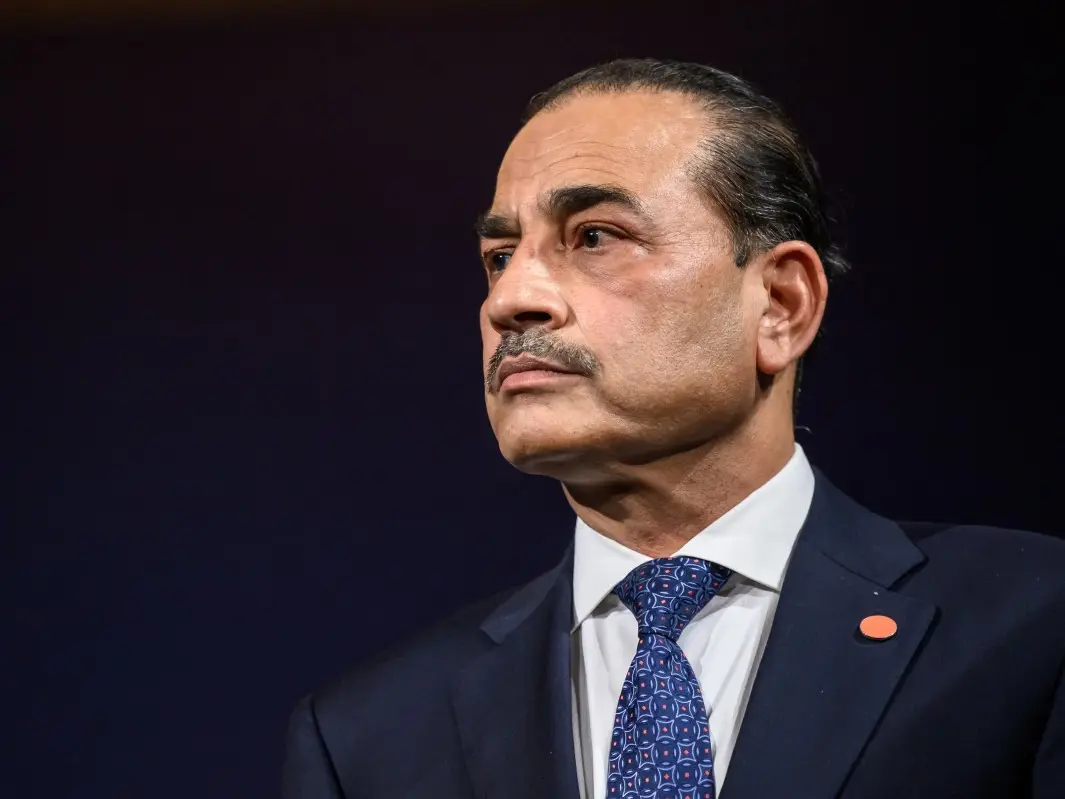
Asim Munir Photograph: (AFP)
Pakistan Army Chief Asim Munir visits Tehran as Islamabad balances ties with Iran, Saudi Arabia and Turkiye amid rising West Asia tensions
Pakistan Army Chief Asim Munir arrived in Tehran on Monday (August 24) for talks with Iranian officials, as Islamabad seeks to strengthen its diplomatic role amid escalating regional tensions and continued friction between Iran and the US. Iranian Foreign Ministry spokesperson Esmaeil Baghaei confirmed that Munir's visit was scheduled for Monday and said it was taking place within the framework of bilateral relations between Iran and Pakistan.
"The bilateral relationship between Iran and Pakistan is truly going through one of its best stages, and both sides are determined to expand these relations day by day, in all areas," Baghaei said during a press briefing ahead of Munir's arrival. Munir's visit comes as Pakistan attempts to position itself as a mediator amid tensions in West Asia. Islamabad has previously facilitated contacts between Washington and Tehran, including efforts toward an interim understanding in June that later collapsed.
Watch the video here
Baghaei also dismissed suggestions that Munir's Tehran visit was linked to the scheduled visit of Omani Foreign Minister Badr bin Hamad Al Busaidi. He said the two visits were separate and only happened to coincide. "The Oman visit has nothing to do with this; it is just almost simultaneous in terms of time," Baghaei said. Al Busaidi is scheduled to travel to Tehran on Tuesday (August 25) for discussions with Iranian officials. His talks are expected to cover bilateral relations, regional security, the Strait of Hormuz and maritime traffic.
Munir's visit also follows the signing of the Mecca Joint Defence Agreement by Pakistan, Saudi Arabia and Turkiye on August 7. Under the agreement, an armed attack against any one of the three countries would be regarded as an attack against all three, alongside increased defence cooperation and collective deterrence.
The agreement has come under scrutiny after a Houthi drone attack targeted Saudi Aramco's Jazan refinery just two days after the pact was signed. The incident raised questions over how the collective-defence commitment would work in practice, although no immediate military response from Pakistan or Turkiye was publicly announced.
Turkish Foreign Minister Hakan Fidan has compared the collective-defence provision technically to NATO's Article 5, while clarifying that members would consult on the nature and scale of assistance following an attack rather than automatically enter combat. Against this backdrop, Munir's talks in Tehran are expected to highlight Pakistan's delicate balancing act. Islamabad maintains close strategic ties with Saudi Arabia and Turkiye while also sharing longstanding diplomatic and economic relations with neighbouring Iran.

