North Korea expands work at nuclear test site to second tunnel: Report

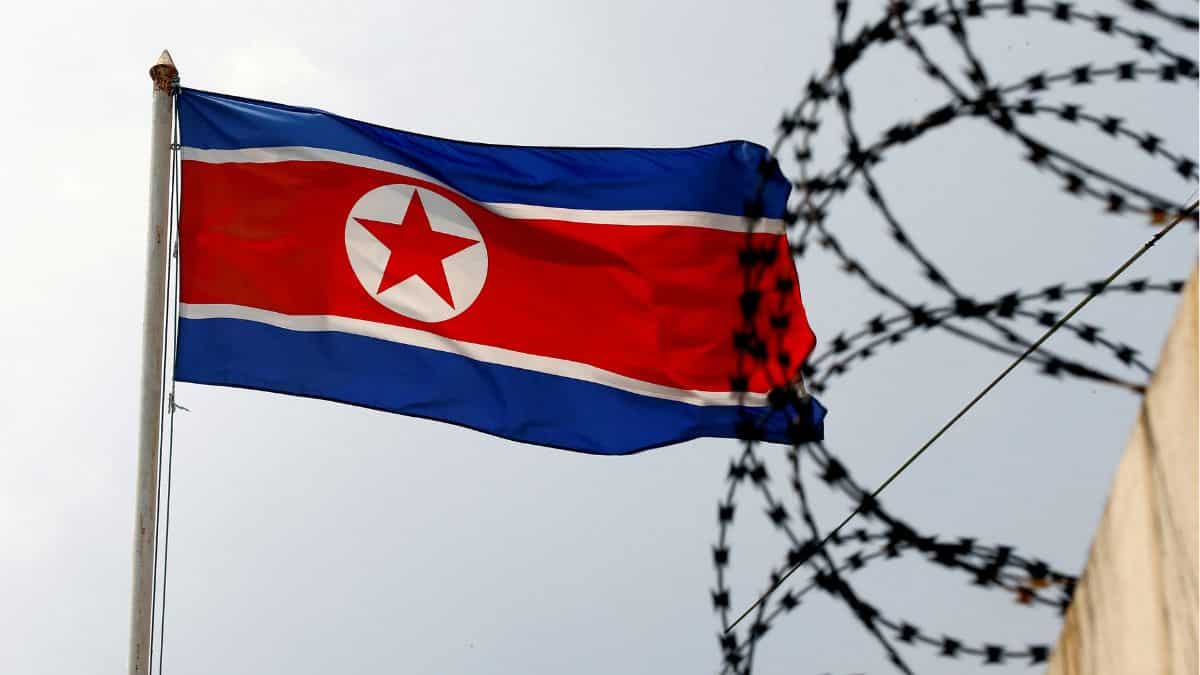
North Korea
NorthKoreaappears to be expanding work at its nuclear test site to include a second tunnel, a U.S.-based think tank said on Thursday, as SouthKorean and U.S. officials sayNorthKoreamight conduct a nuclear test any day.
Preparation work at the Punggye-ri Nuclear Test Facility's Tunnel No. 3 was apparently complete and ready for a possible nuclear test, the Center for Strategic and International Studies said in a report, citing commercial satellite imagery.
NorthKoreaconducted six underground nuclear tests at the site from 2006 to 2017.
The research group said that for the first time, analysts spotted new construction activity at the facility's Tunnel No. 4, "strongly suggesting an effort to re-enable it for potential future testing".
Outside Tunnel No. 3, images showed a retaining wall and some minor landscaping with small trees or bushes, likely in anticipation of a visit by senior officials, it said.
The two tunnels were never previously used for nuclear tests and their entrances were demolished in 2018, whenNorthKoreadeclared a self-imposed moratorium on testing nuclear weapons and its intercontinental ballistic missiles (ICBMs).
Leader Kim Jong Un has said he is no longer bound by that moratorium because of a lack of reciprocal steps by the United States during denuclearisation talks, andNorthKorearesumed testing ICBMs this year.
SouthKorean officials said this week thatNorthKoreawas poised to conduct a nuclear test "at any time" and that the timing would be decided by Kim.
SouthKorea's defence ministry spokesman, when asked about the report, said it was closely monitoring developments onNorthKorea's nuclear activity together with U.S. intelligence authorities but declined to make any further comment.
SouthKorean Foreign Minister Park Jin said on Monday after talks with U.S. Secretary of State Antony Blinken in Washington that any provocation byNorthKorea, including a nuclear test, would be met with a united, firm response.
He urged China, for yearsNorthKorea's only major ally, to use its influence.
Park also vowed to work to normalise an intelligence sharing pact with Japan "as soon as possible" to boost their responses toNorthKorea's nuclear and missile threats.
The accord, the General Security of Military Information Agreement (GSOMIA), had been a backbone of trilateral security information sharing by SouthKorea, the United States and Japan.
But SouthKoreahad considered scrapping the pact with Japan in late 2019, during a period of strained ties, before a last-minute decision https://www.reuters.com/article/us-southkorea-japan-idUSKBN1XW087 to renew it in the face of U.S. pressure.
SouthKorean officials have said that since then, intelligence sharing with Japan had not been as smooth as it was before.